How American Plants Conquered Europe: Prague Finds Unlock the Secret of Potato and Pumpkin's Spread
USD 21,23
Popular
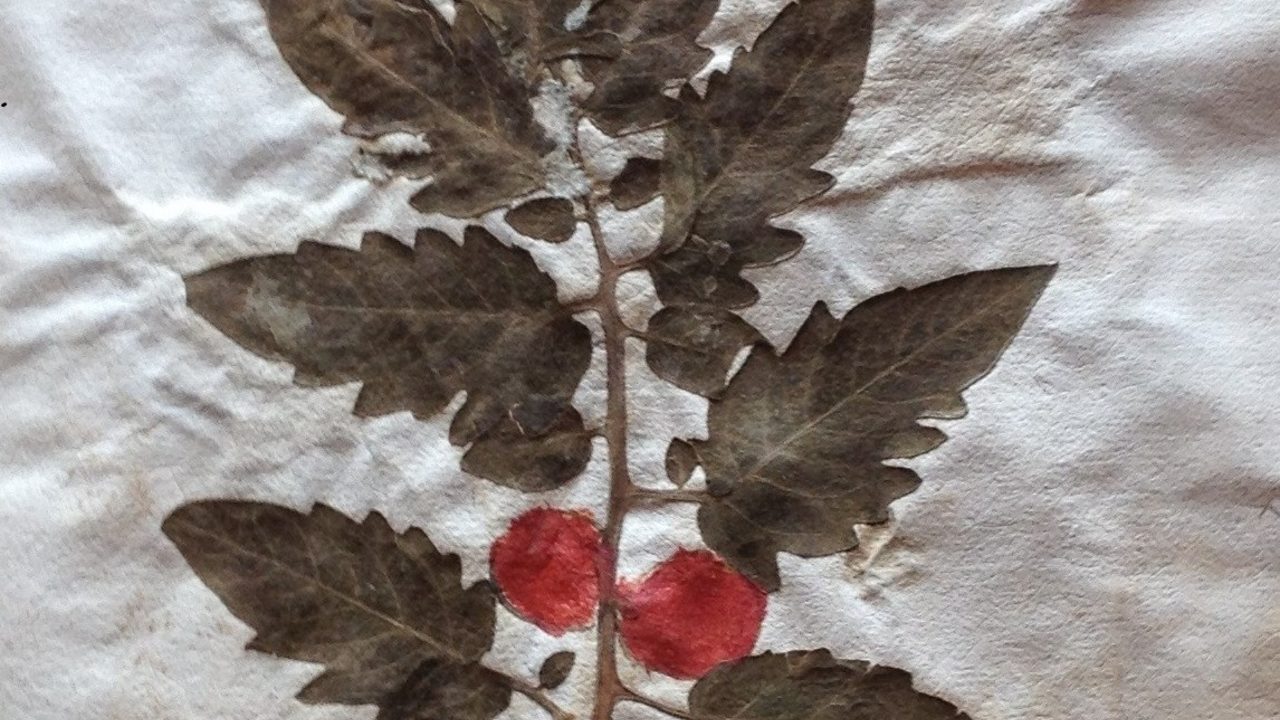
An international study combining archaeobotanical data with historical sources has revealed how plants from the Americas — potatoes, tomatoes, maize, tobacco and cacao — made their way into Europe after 1492. According to the researchers, these crops first appeared at royal courts, in urban centres and monasteries, where they served as symbols of prestige and economic power, only gradually becoming part of ordinary people's daily diet.
In Bohemia, this "botanical globalisation" took hold during the reign of Emperor Rudolf II, whose Habsburg court at Prague Castle maintained close ties with Madrid and the Spanish Netherlands. It was during this period that plants from the New World made deep inroads into the European continent — a fact confirmed by years of archaeobotanical research carried out at Prague Castle by the Faculty of Science of the University of South Bohemia together with the Institute of Archaeology of the Czech Academy of Sciences.
"Remains of plants of American origin have survived remarkably well — they were dried and used as filler material in the relieving vaults beneath the floor of Vladislav Hall," said the study's lead author, Jitka Irmišová.
According to project leader Jaromír Beneš of the Faculty of Science, knowledge of these crops had already spread to the heart of the Christian world — Rome — even earlier. A few years ago, an archaeobotanical study of a cesspit at the Roman monastery of Santi Quattro Coronati uncovered, among other things, seeds of common pumpkin. The results of that work were recently published by Claudia Moricca of Rome's La Sapienza University, who has since joined the international research team that has now made the findings fully available for study.
Notably, the earliest American plants — chiefly two species of pumpkin — appear in lavish Renaissance frescoes in Raphael's Rooms at the Apostolic Palace in the Vatican, as well as at the Villa Farnesina in Rome's Trastevere district.
The study, published in the international journal Ethnobotany and Economic Botany, brings together data from various archaeological finds united by the presence of American plants dating from the late 15th century onward. The researchers examined cesspits at monasteries and elite residences, the unique vaulted infill layer of Vladislav Hall at Prague Castle, burials containing plant offerings in a church in eastern Poland, and even shipwreck debris. In the laboratory, plant remains — chiefly seeds — are identified using specialised keys and, where necessary, dated by radiocarbon methods.
However, seed finds alone are not enough for interpretation — herbaria, historical and iconographic sources, such as precisely dated frescoes, also play a crucial role. Combining archaeology, botany, history and iconography, the researchers say, makes it possible to understand not only what people grew and ate in the past, but also why the range of plants changed over time — shedding light on the extraordinary success of potatoes, cacao and vanilla in early modern Europe.
Source: ekolist.cz