The Secret of French Mashed Potatoes: Why Cheese Turns Potatoes into a Gourmet Delicacy
USD 21,23
Popular
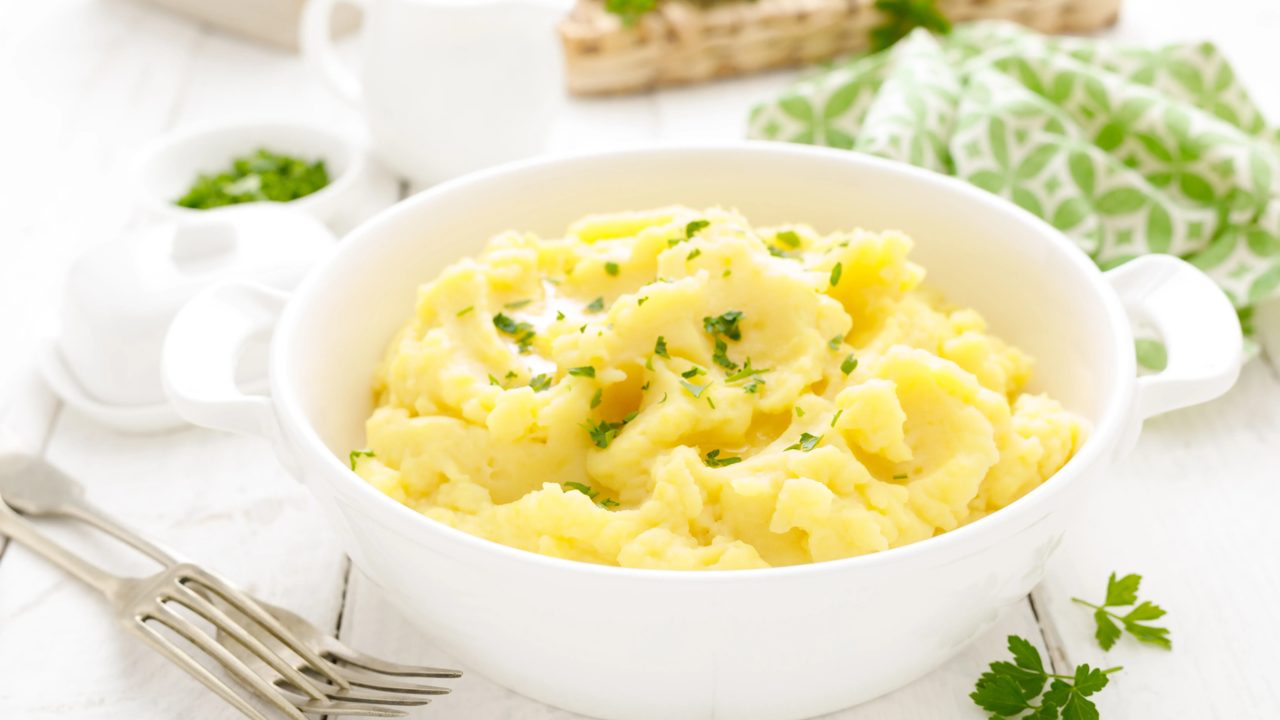
The French treat mashed potatoes as a genuine culinary art form — it should be smooth, glossy and slightly stretchy, not just a side dish for meat. The secret ingredient that transforms ordinary potatoes with butter and milk beyond recognition is cheese.
While milk or cream merely soften the flavour of mashed potatoes, cheese turns it into a creamy, slightly elastic delicacy that practically melts in your mouth. The foundation of success lies in floury potato varieties, which should be boiled until soft but not allowed to soak up too much water. After draining, the potatoes should be left uncovered in the hot pot to “dry out” a little — a step that cannot be skipped, since excess moisture is the main enemy of the mash's taste and texture.
Experienced cooks warn that a blender or food processor is the worst enemy of good mashed potatoes. Despite their speed, these appliances break down the starch in the potatoes, turning the mash dense and unpleasantly gluey. Instead of a light, airy purée, you end up with a sticky, rubbery mass that's far from French elegance. It's far better to use a potato masher, a ricer, or simply a wooden spoon.
Why cheese rather than the usual milk or cream? It comes down to physics: milk and cream mainly add water and fat to the mash, and if you overdo it, the consistency becomes too runny and the potato flavour gets lost. Butter is great for aroma and softness, but in large quantities it makes the dish heavy. Cheese, on the other hand, contains fat, protein and very little water — in hot potatoes it melts beautifully, binding the starchy mass together and giving it remarkable elasticity. Thanks to the protein, the dish becomes more filling and holds its shape better on the plate.
When choosing cheese, it's important not to overdo it: softer, less salty, younger varieties that melt easily and don't form lumps work best. Cream cheeses such as Philadelphia or fromage frais are most commonly used, along with neutral, slightly tangy soft cheeses. Some recipes even suggest baking the mash with cheese on top — this creates an appetising, slightly caramelised crust.
The order of operations also matters: cheese is added at the very end, once the potatoes are cooked, dried out and roughly mashed. If needed, the mash can be loosened with warm butter, milk or cream — but never with cold ingredients straight from the fridge, as the sudden temperature shock can ruin the texture and cause lumps to form.
Once the cheese is added, patience is key: you'll need to stir with a wooden spoon for considerably longer than usual, until the mash becomes springy, glossy and stretchy. Rush the process, and the cheese will melt without the mash ever achieving the right texture.
The main rules for success are simple: choose floury potatoes, thoroughly evaporate their moisture, prepare everything by hand without a mixer, and add all ingredients while still warm. The result is a dish substantial enough to be a meal in its own right, not just a side dish.
Source: apetitonline.cz