Why You Should Boil Potatoes Whole Instead of Cutting Them: A Secret Your Taste Buds and Your Health Will Thank You For
USD 21,23
Popular
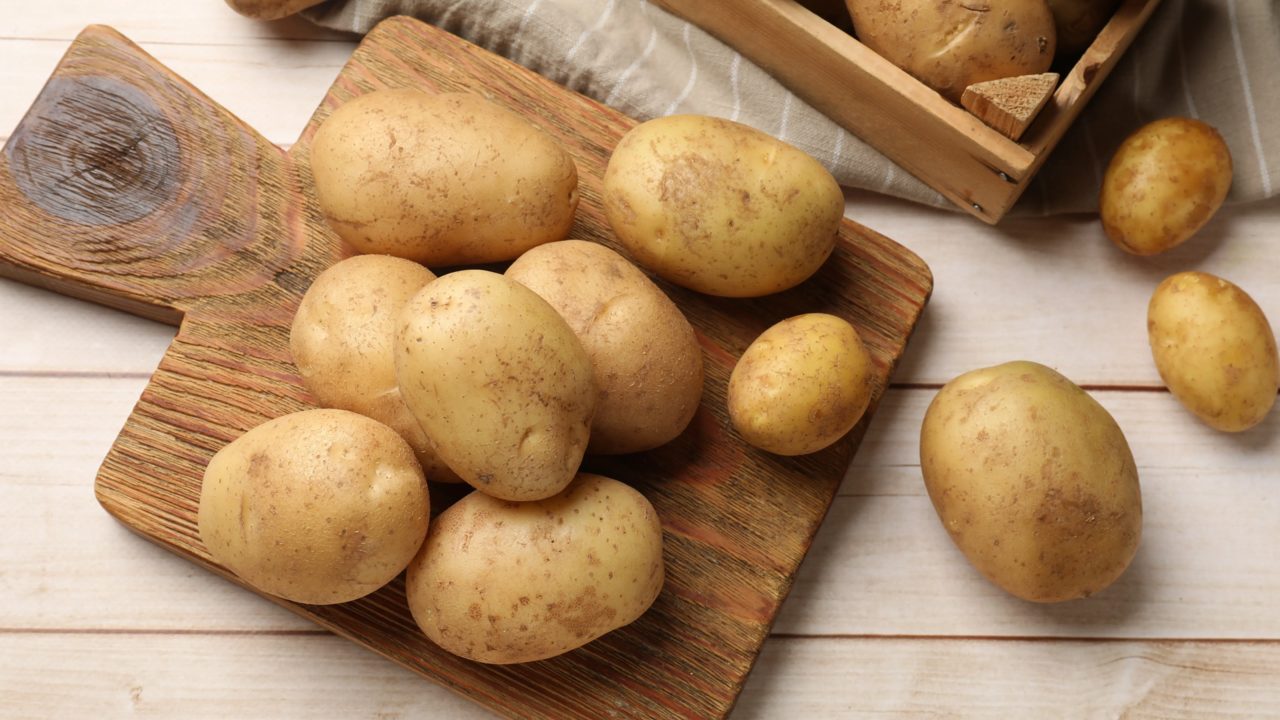
Nutritionists and chefs alike point to a simple trick: boiling potatoes whole, in their skins, rather than cut into pieces, preserves far more vitamins and minerals, while also giving the dish noticeably better taste and texture.
The secret lies in the skin, which acts as a natural protective shell — it keeps the potato from falling apart and allows it to cook more gently. Most of the vitamin C and B vitamins sit just beneath the skin. Peeled, chopped potatoes lose the bulk of these nutrients during cooking, while whole potatoes boiled in their skins retain up to 90% of their beneficial compounds. The same goes for minerals like potassium, magnesium and iron, which barely leach out into the water.
Texture matters too. The more a potato is cut up, the more starch escapes into the water while boiling. A whole potato absorbs less water, holds its shape better, and ends up with a richer, more distinctly "potatoey" flavour. The skin acts almost like a seal, locking all the aromas inside.
There's also a bonus for anyone watching their blood sugar: potatoes boiled whole have a lower glycemic index. And if you let them cool after cooking, some of the starch converts into what's known as resistant starch, which is good for digestion.
Boiling potatoes whole isn't necessary for every dish, but in some cases the difference is unmistakable. For mashed potatoes, this method guarantees a creamy rather than watery result, thanks to the preserved starch. For potato salad, it's practically a must — the chunks stay intact instead of turning into a shapeless mush. The same approach helps if you're planning to fry or grill the potatoes afterwards, since whole boiled potatoes are simply easier to work with.
There are downsides, of course. The main one is time: a whole potato needs about 20–25 minutes to soften fully, while chopped pieces cook in half that time. With larger potatoes, you might end up with soft edges and a still-firm centre — easily avoided by choosing potatoes of roughly the same size or halving the biggest ones.
It's also worth being cautious about the quality of the potatoes themselves. If you're working with old, green-tinged or sprouted potatoes, solanine can build up in the skin. In that case, it's safer to peel and cut them, so that harmful substances can partly leach into the water, which is then discarded. Potatoes that are heavily green or sprouted should be avoided altogether.
Cutting potatoes still makes sense when time is genuinely tight — chopped pieces are simply more convenient as an everyday quick side dish. A knife also comes in handy for soups, curries or various one-pot dishes, where the potato isn't the star but rather something that soaks up the flavours of other ingredients. Even then, though, it's best to cut them into large chunks to avoid losing flavour and ending up with a mushy consistency.
If you do decide to boil potatoes whole, choose ones with firm, undamaged skins, wash them thoroughly (with a brush if needed) and remove the eyes. Put the potatoes into the pot with cold water so they heat up evenly from the centre outward. Salt the water moderately and let it just barely simmer. If you're making a salad, it's best to let the potatoes cool while still in their skins — peeling them afterwards will be much easier.
Source: apetitonline.cz



.jpg)