A New Line Is Coming to Czech Electricity Bills: The Money Will Fund New Power Plants
USD 21,05
Popular
The European Commission has approved a so-called capacity payment mechanism for Czechia — a support scheme designed to attract investors to build new sources of electricity generation in the country. According to Seznam Zprávy, the programme's projected budget will range from €3.1 to €6.2 billion (roughly 75–150 billion crowns), and it will run for ten years.
The essence of the mechanism is that power plant owners will be paid not for the electricity they actually produce, but for their readiness to connect capacity to the grid at any moment should a shortage threaten. In other words, the state isn't buying kilowatt-hours — it's buying guaranteed availability of backup capacity, to cover scenarios like windless weather, lack of sunshine, a sudden spike in demand, or an emergency shutdown at a major power unit.
"The capacity mechanism works like an insurance policy. You're paying for the certainty that the system will have enough capacity at the moment when the wind isn't blowing, the sun isn't shining, consumption suddenly rises, or a major source goes offline," explains Martin Pacovský, investment director at the ARETE Energy Transition fund.
The actual generation and sale of electricity will still take place at market prices — capacity payments won't directly affect electricity prices. What they will do is reduce risk for investors: the state guarantees part of potential revenues through a dedicated capacity fund, making bank financing for new projects more attractive. According to Michal Macauer, director of the consultancy EGU, the system will also include a mechanism to cap excessive revenue growth for participants.
Technically, the whole thing will run as an auction: electricity producers — both existing plants and new projects, battery storage facilities, smaller producers and even foreign sources — will compete for the right to receive payments for reserve capacity. Investors in new capacity will be able to secure 15-year contracts, which will make it easier to attract bank financing, while owners of existing plants will sign one-year contracts. Winners will receive a uniform clearing price, and participation will be restricted by environmental requirements — effectively excluding coal-fired power plants from the programme.
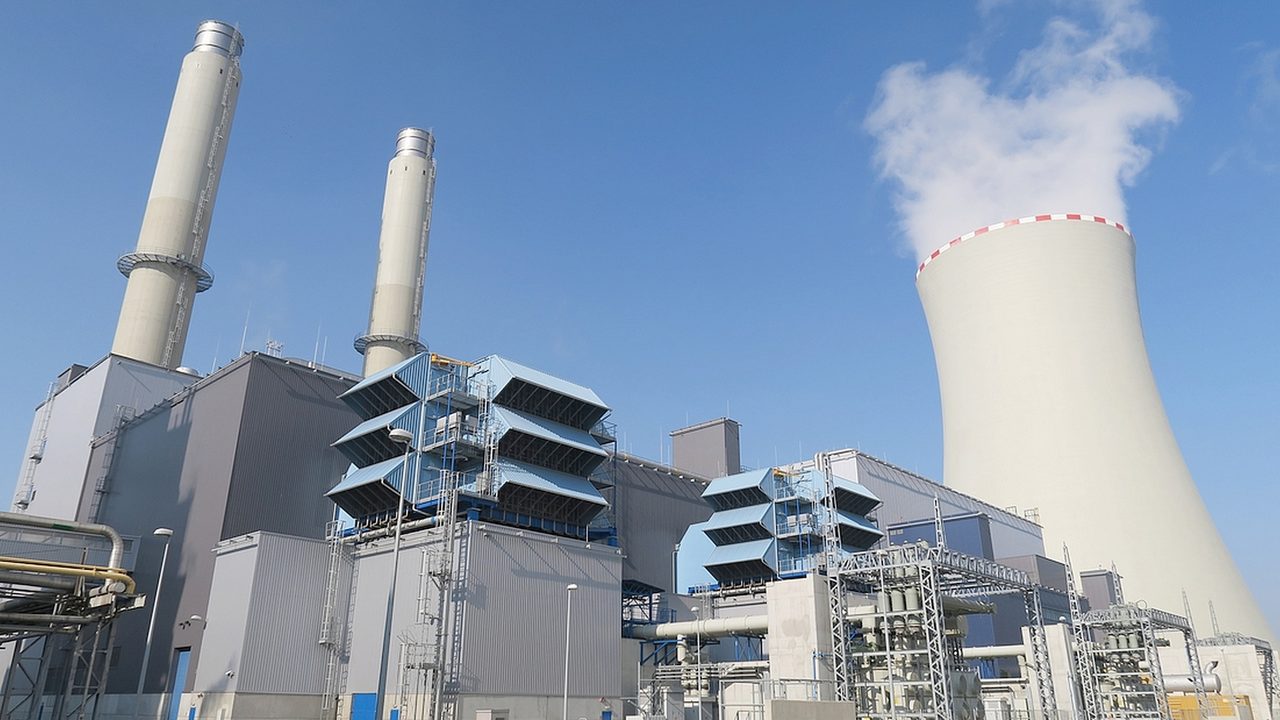
Among the promising technologies experts point to are modern gas-fired cogeneration units, which generate electricity and useful heat simultaneously. "Cogeneration produces electricity precisely when it's needed most, while also making efficient use of the heat generated. That's why it naturally complements renewable energy sources," notes Pacovský.
The state has not yet determined the exact volume of capacity to be procured through the auctions — that calculation is being carried out by grid operator ČEPS, which is assessing the country's energy adequacy. According to ČEZ representative Ladislav Kříž, the relevant rules and regulations, currently being drafted by the Ministry of Industry and Trade, should be published as early as August.
The cost of the new system will ultimately fall on all electricity consumers, through fees added to electricity bills. A new line item will appear on bills, though according to Macauer's estimate, it will amount to only a few percentage points of the current price of electricity. At the same time, a broader supply of sources will boost competition and could, in the long run, lower market prices — particularly given that during energy shortages, prices can spike to extreme levels, which is precisely the problem this new mechanism is meant to solve.
Czechia is not the first country in Europe to introduce such a system: similar capacity mechanisms are already helping attract investment in new power plants in Poland, while Germany has just announced its first auction to support the construction of new gas-fired power stations.
Source: seznamzpravy.cz