AI Video of Haaland Fools Millions: How to Spot Deepfakes
USD 21,04
Popular
Videos featuring footballers that are entirely generated by artificial intelligence are racking up millions of views online — and the vast majority of users simply can't tell them apart from real footage. A wave of such fakes has surfaced around the football World Cup in particular.
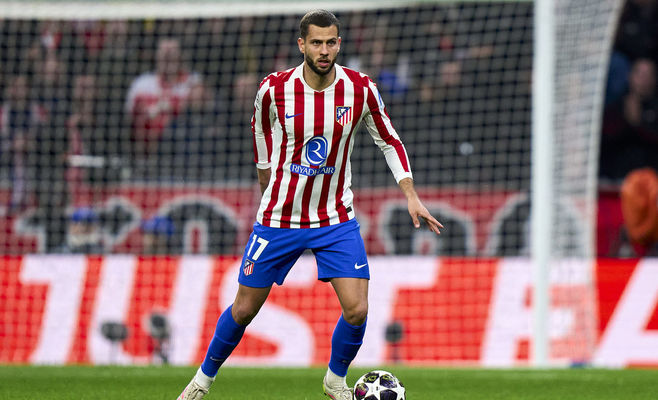
One of the most viral clips, featuring Norwegian striker Erling Haaland, gathered more than 31 million views on platform X within just a few days. In the footage, the footballer is having dinner at a restaurant and flinches upon seeing his own reflection in a mirror. Fact-checkers discovered that the clip was based on a sketch by Chinese comedy duo Jin Long and Qiu Qiu — one of the actors' faces had been swapped for Haaland's using AI.
"I'd dare say that today the overwhelming majority of people can't tell that a video was generated by AI," notes video blogger Ondřej Svoboda.
Another popular clip supposedly showed Haaland taking a shot on goal against Kylian Mbappé — both players were AI-generated. The video was circulated on social media as a highlight reel of the Norwegian striker's best moments, even though it was entirely fabricated.
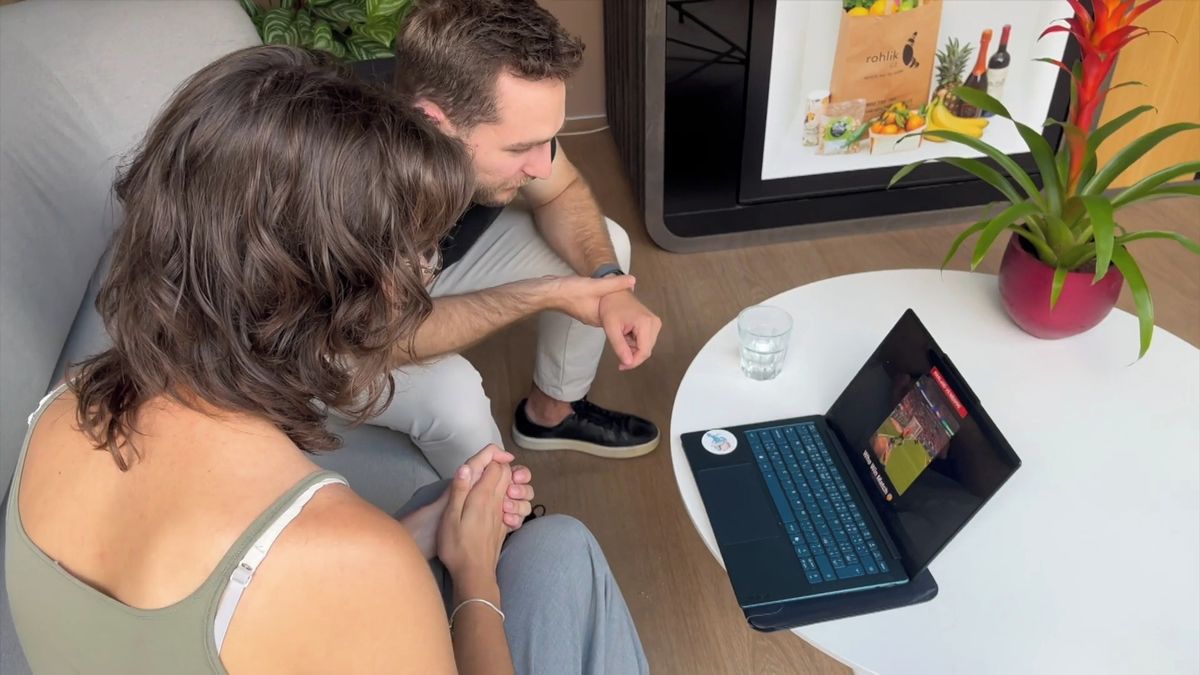
According to AI video expert Gedeon Drapák, viewers should pay attention to the quality of the animation, and whether movements look too fast or, conversely, slightly delayed. It's also worth scrutinizing the background of the clip. "Often, from a physics standpoint, something just doesn't quite work," he explains.
Svoboda, for his part, advises watching moving objects closely — they often momentarily vanish from frame and then reappear. That's exactly what happened to the ball in the Haaland-Mbappé clip — its odd behaviour becomes visible if you go through the footage frame by frame.
Experts warn, however, that video-generating tools are improving rapidly, and such "childish" errors will soon disappear. "Videos are already almost perfect. Soon, spotting technical flaws won't be enough — you'll need to understand the substantive context," Svoboda adds.
"I think that within two or three weeks, AI video will be able to get close to perfection," Drapák believes. "New tools will emerge that handle roughly 95% of what you'd expect from a video. The remaining 5% will take about six months to crack." In his view, before long, spotting the difference between real and generated videos will require dedicated AI tools of its own.
Source: seznamzpravy.cz