"All that's left is to drown in the sea": how annexed Crimea is living through the war
USD 21,04
Popular
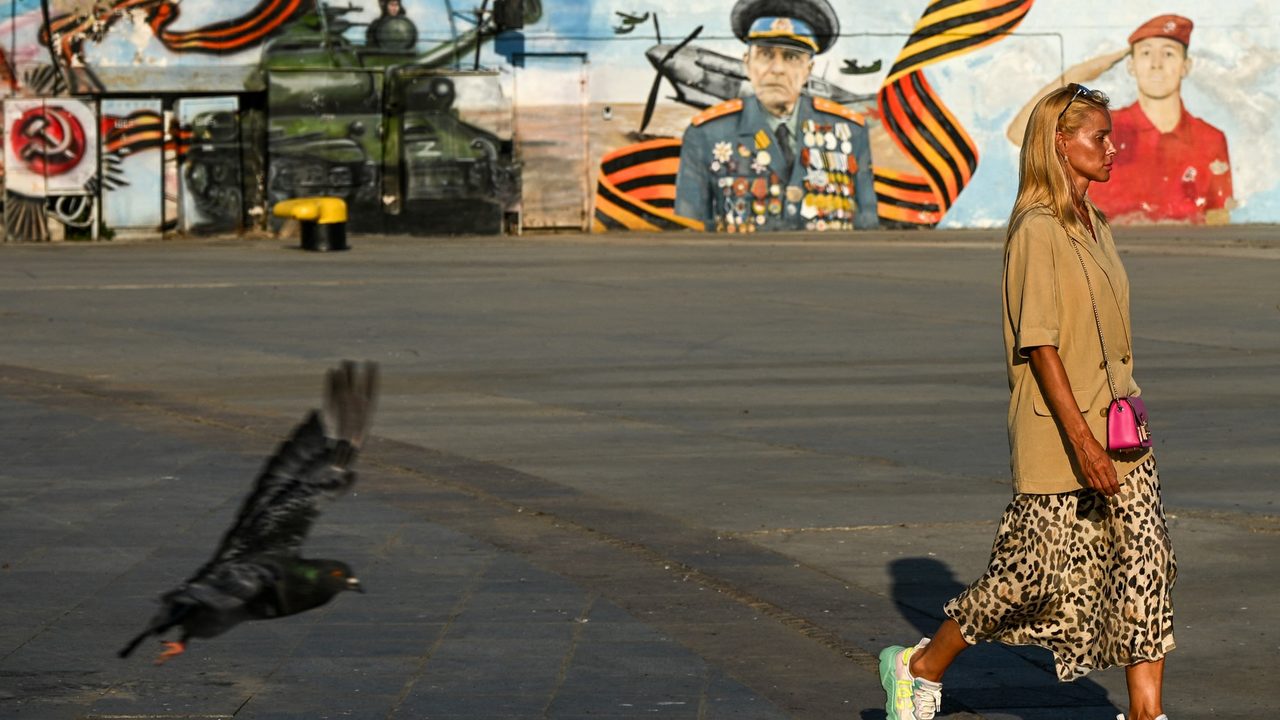
The Crimean peninsula, annexed by Russia in 2014, is facing an acute shortage of fuel, water and electricity in the summer of 2025, amid a partial blockade of supplies from Ukraine. According to a report by the independent Russian outlet Bereg, around 90% of petrol stations on the peninsula are closed, and tourists have all but vanished from Crimea's beaches.
A bus travelling from Anapa in Russia to Feodosia in Crimea was only a third full — and carried not a single tourist. The main topic of conversation among passengers was the waiting time at the entrance to the Kerch Bridge: according to them, the queue sometimes stretches to 16 hours. The road to the bridge is lined with barbed wire and armed patrols, and instructions in case of an attack are regularly broadcast.
Empty beaches and cancelled excursions
On the beaches of Feodosia and the resort town of Koktebel, the journalist mostly encountered locals — holidaymakers were nearly absent, and at his hotel he was the only guest. Many businesses are shut. Tour operators complain they can't fill groups: the "Around Crimea" route has become unprofitable due to low bus occupancy.
Authorities have banned paragliding and parasailing behind boats, and the army has closed access to a nature reserve. "We used to send out excursions every day, sometimes several groups at once. And you, holidaymakers, have become an endangered species," a local guide told the journalist. The picture is similar in Yalta: according to a local woman who works as a driver, there are almost no tourists left, while shop prices have tripled.
Fuel shortages and stolen petrol
Residents are widely complaining about shortages of petrol and diesel. A woman from Yevpatoria said she couldn't find fuel for four days: "First they say there won't be any petrol, people leave, and then they start selling it. In the end, what matters isn't who's been queuing the longest, but who happens to be at the pump at the right moment." She said that because of the shortage, people steal fuel straight out of tanks, and rumours circulate about sunken tankers and drone attacks on fuel trucks.
Because of the petrol shortage, Simferopol authorities have cut the number of bus routes, and fares have gone up. Shops can't keep up with updating price tags amid inflation — customers are asked to check prices at the till. Due to power outages, sellers cover meat and dairy products with blankets and fur to keep them cold longer.
"We're like hostages"
Residents describe constant disruptions to water and electricity supplies, as well as fear of a possible Ukrainian blockade of Crimea. One teenage girl said her relatives have already arranged for evacuation in case large-scale bombing begins in the autumn. A woman from Yevpatoria who bought a summer house on the peninsula after the 2014 annexation admits: "We're like hostages. One moment we're calm, the next we're ready to flee — the shelling has been very intense."
The situation is especially dire in Armyansk, near the border with the rest of Ukraine, which, according to a local resident, is effectively without power and cut off from supplies: trucks can't get through because of shelling on the highway, and there's a shortage of food and medicine. Of what was once a town of twenty thousand, she says, mostly soldiers, workers from the Crimean Titan plant, and elderly people remain.
Strikes the media stay silent about
In Sevastopol, traces of the war are everywhere: shelters stand on the beaches, and when an alarm sounds, soldiers clear people from the coastline. Photography and video calls are banned near the port, and the embankment is fenced off with tape and barbed wire.
Locals say that many Ukrainian strikes on Crimea aren't reported by local media at all. A man from Kerch spoke of residential buildings damaged by bombs on several streets in the city — the journalist saw the wrecked buildings himself. "It's never been this frightening before... My son will be sent to war right after university. Is this what we raised our children for?" he says.
A Crimean Tatar woman from Kerch described the hopelessness many residents feel: "Whoever can, leaves. But where can we go? This is our homeland. All that's left is to drown in the sea."
Read also: 8 best swimming spots near Prague: lakes, quarries and beaches an hour from the capital
Source: seznamzpravy.cz