Architect Who "Whitewashed" Turek's Illegal Buildings Reprimanded by Professional Chamber
USD 21,26
Popular
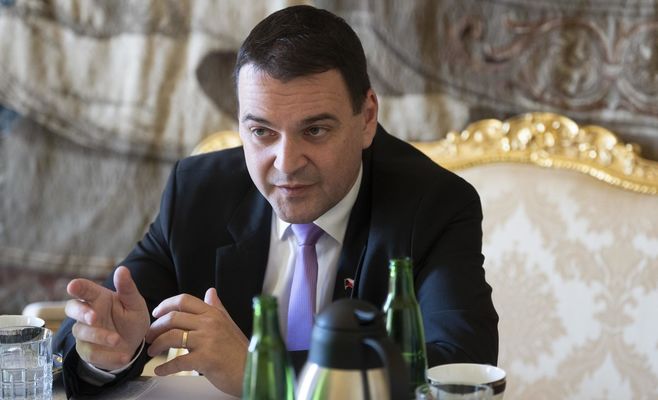
The Czech Chamber of Architects has issued an official reprimand to architect Igor Držvikovský over the way he publicly discussed the legalisation of two illegal structures built by MP and honorary chairman of the Motorists party, Filip Turek, in Prague's Dubeč district.
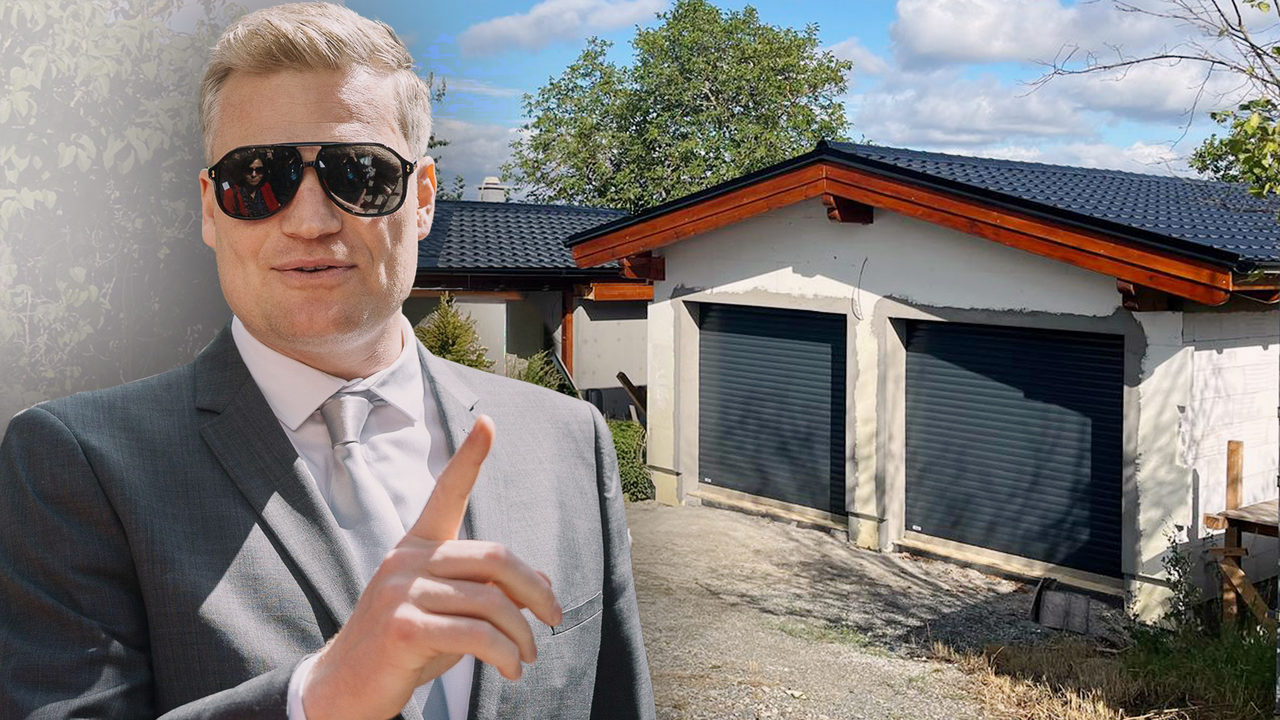
As a reminder, the building authority had previously fined Turek a total of 200,000 crowns for the two unauthorised structures. One of them resembles a cottage, the other a double garage. According to documents prepared by the architect, both buildings were retroactively registered as facilities for fruit processing and garden maintenance — a classification that made it possible to legalise structures originally built without permission.
The architect's trouble stemmed not from the project itself, but from his own candid remarks in an interview. Držvikovský described how he and his colleagues came up with the "legend" about fruit processing, and even joked that he doubted Turek would ever actually produce juice. "It would be funny if someone actually checked," he said at the time.
The chamber's disciplinary board deemed such public conduct unprofessional. In its ruling, signed by board chairman Miroslav Holubec, it noted that as a certified professional speaking on a matter within his field, the architect was obliged to ensure his words did not give the impression that an architect's job is to retroactively invent wording to bypass zoning regulations.
According to Držvikovský himself, he never dealt with Turek directly — the commission to legalise the buildings was passed to him by the late Prague businessman František Bušek, an acquaintance of the politician. The architect claims he only saw the illegal structures once construction was already well underway, and that he had to measure the buildings retroactively and come up with a purpose for them that matched Prague's zoning plan — the area in question was designated as non-buildable, except for structures serving gardens, allotments and vineyards.
He also admitted that Turek originally wanted to add a terrace as well, but the architect talked him out of it, calling the idea too provocative toward the authorities: "I told him — don't bring that to me, I don't want to poke a snake with a bare foot." He added that such requests to "whitewash" illegal construction are far from unusual for him.
The disciplinary board examined complaints from two citizens not in terms of the legality of the approval procedure itself, but solely from the standpoint of whether the architect's public statements violated the professional code of ethics. The ruling stresses that a certified architect cannot, in the course of professional duties, rely merely on the formal designation of a building or its rooms if he knows — or should know — that it does not correspond to the structure's actual use.
In the end, the case resulted only in a reprimand — further disciplinary proceedings were discontinued. The chamber explained that although signs of a violation were indeed found, they were not serious or systematic enough to warrant full disciplinary action. At the hearing, Držvikovský himself denied acting against the rules or unethically, arguing that responsibility for any future misuse of the building lies not with him but with the developer — that is, Turek.
Interestingly, the disciplinary board effectively agreed with this position, adding that despite having obtained the permit, Turek cannot yet relax. According to the ruling, the developer ended up not with the cottage-and-garage combo he may have originally wanted, but with a facility designated for storing and processing fruit. The owner has no right to use it for any other purpose — doing so would constitute a new violation of the law.
Despite the reprimand, the affair may actually work in the architect's favour: as he admitted during the proceedings, since the Turek case made headlines, he has seen a noticeable rise in interest from developers eager to retroactively legalise their own problematic constructions.
Source: seznamzpravy.cz