Australia's under-16 social media ban is stalling: test reveals the system is failing completely
USD 21,04
Popular
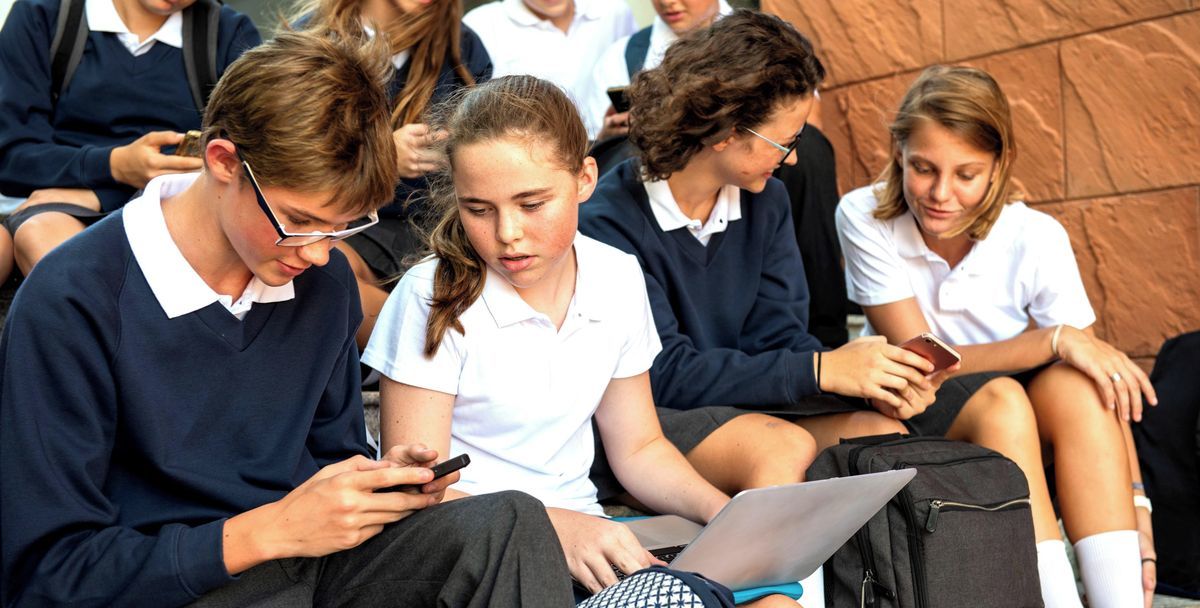
Since December of last year, Australia has enforced a law banning anyone under 16 from holding accounts on social media platforms such as Instagram, Snapchat, TikTok and YouTube. But a new study, reported by Reuters, shows that the age-verification system is essentially not working.
A team of experts previously involved in testing age-verification technology created 50 new accounts, in every case entering an age of 16. Not a single platform requested further confirmation — all 50 test accounts remained active on nine out of the ten platforms covered by the ban, including Instagram, Snapchat, TikTok and YouTube.
"We should have been asked to verify our age, but we were never once asked to confirm it or to use any kind of age-verification tool," said Andrew Hammond, director of the testing firm KJR.
According to him, the problem isn't with photo-based age-estimation technology, which has so far received most of the attention. Before a platform even prompts a user to confirm their age, it first has to suspect that the person might be under 16 — and it's precisely this initial filter that, according to the tests, most often fails to trigger.
Some of the test accounts began receiving ads for banking products aimed at young people, which Hammond says suggests the platforms had, in fact, identified a certain age bracket for the user. One test account on X, registered with an age of 16, started receiving pornographic content.
Interestingly, only the Australian streaming platform Kick required genuine age verification before an account could be created. When test users honestly stated during sign-up that they were not yet 16, the account simply couldn't be created — though it's clear that few people trying to get around the rules would enter their real age.
Meta has disputed the study's findings, noting that the test accounts stated an age above the required threshold and that it's unclear whether they behaved the way real users under 16 would. According to the company, more rigorous checks should only kick in when a user's behaviour suggests they might be underage, or when an account has been flagged as suspicious by someone else. Snap and TikTok declined to comment, while Google and X did not respond to requests for comment.
Criticism of Australia's ban has been ongoing almost since it took effect — studies have repeatedly shown that most children under 16 still manage to get onto the platforms. Last month the government doubled the maximum fine for breaking the rules and threatened tech companies with lawsuits.
Meanwhile, the eSafety regulator insists that platforms have more than enough technology and resources to prevent teenagers under 16 from creating accounts. According to the regulator, the recommended system is built on progressively tightening checks and, "if implemented properly, removes any single point of failure."
Some experts warned of exactly this scenario back when the system was being designed. They say not enough attention was paid to how easily the rules could be sidestepped simply by entering a false date of birth. "We wanted to look into ways of bypassing the system, but we kept being told that this fell outside the scope of the testing itself," said Colm Gannon of the International Centre for Missing & Exploited Children. According to him, bypassing the system has now become the main method young people use.
Academic Amanda Third, who took part in the testing and is now working on a two-year study into the effects of the ban, is urging patience. She notes that the original expectation was for platforms to first focus on accounts whose owners had themselves entered an underage birth date, and only later begin more actively applying more sophisticated age-estimation methods. "The next batch of data collected after this period could well show significantly better results," she concluded.
The topic is especially relevant for Czechia too: Prime Minister Andrej Babiš has previously said the government could propose, as early as this year, a ban on social media for children under 15 — following the example of France and Australia.
Source: novinky.cz