Babiš Criticizes Rise in Unemployment Benefits — Despite Having Voted for the Reform Himself
USD 21,26
Popular
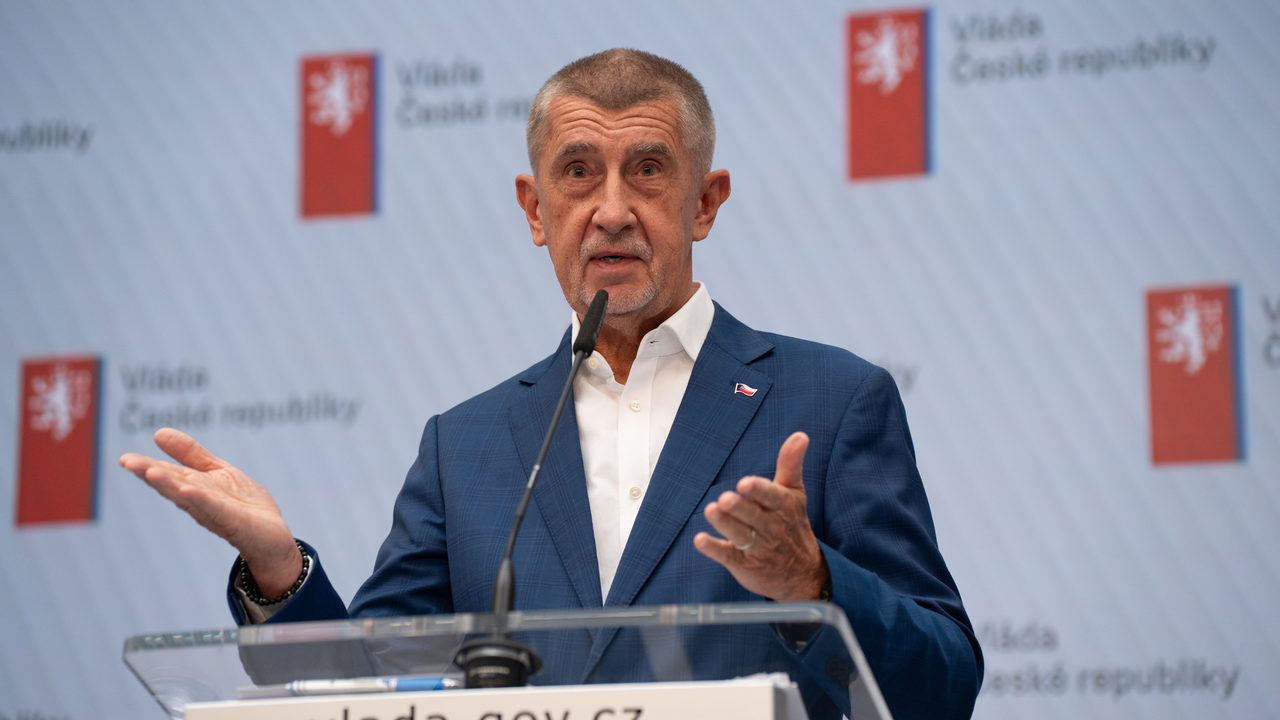
At his first major meeting with Finance Minister Alena Schillerová on next year's state budget, Czech Prime Minister Andrej Babiš claimed that unemployment benefits have risen unfairly and that "it currently doesn't pay to work," given the labor market's shortage of workers.
"We discussed why unemployed people are getting more money than before. I don't think that's fair. Anyone who wants a job can find one," Babiš told reporters outside the Finance Ministry building, adding that the unemployment benefit had grown "illogically" and made working unprofitable.
The facts, however, tell a different story: unemployment benefits did increase, but only for the first two months after job loss (three months for people over 52). During that period, the unemployed receive 80% of their previous net income. After that, payments actually drop below their former level — down to 40% of previous earnings.
This change is part of the so-called "flexi-amendment" to the Labour Code, passed by the Chamber of Deputies in early March last year and fully in effect since this year. The amendment aimed to make the notoriously rigid Czech labor market — long seen as one of the biggest drags on the economy — more flexible.
The reform altered the terms of probationary periods and notice periods, improved conditions for parents (employers are now obliged to guarantee a job until the child turns two), and allowed limited legal part-time work for 14-year-olds. But the key element was the overhaul of the benefits system: higher payments in the first weeks were meant to encourage Czechs to change jobs more readily, since labor mobility in Czechia is exceptionally low by European standards. The idea was to make people less afraid of quitting a job, knowing they wouldn't immediately fall into poverty.
Notably, almost the entire ANO parliamentary faction voted for this reform at the time — including current Labour Minister Aleš Juchelka and Andrej Babiš himself. The amendment was also backed by trade unions, employers, and every parliamentary party except SPD, whose MPs abstained.
It's worth remembering that during the debate on the reform, Babiš — then opposition leader — harshly criticized Petr Fiala's government, though not over the benefits changes, but over a separate, ill-conceived proposal by ODS and TOP 09 to allow dismissals without cause. Babiš accused the cabinet of "lies and hatred toward people" at the time — only to vote for the government's bill together with his party two hours after his angry speech.
According to labor office data, only just over 27% of unemployed people currently receive unemployment benefits — meaning three-quarters remain registered with labor offices longer than the benefit period lasts. This suggests the structural problem of long-term unemployment has little to do with the size of the payments, and much more to do with how employment offices function, the lack of access to retraining, and chronic underfunding of active employment policy.
Commentators note that this isn't the first time Babiš has leaned on "common peasant sense" in policy debates — he previously backed SPD leader Tomio Okamura's controversial proposal to abolish ninth grade in schools, a move that would have effectively undone years of work by Education Minister Robert Plaga on reforming school curricula.
Source: seznamzpravy.cz