Babiš dismisses "coalition of the willing" as political chatter — Defence Ministry disagrees
USD 21,01
Popular
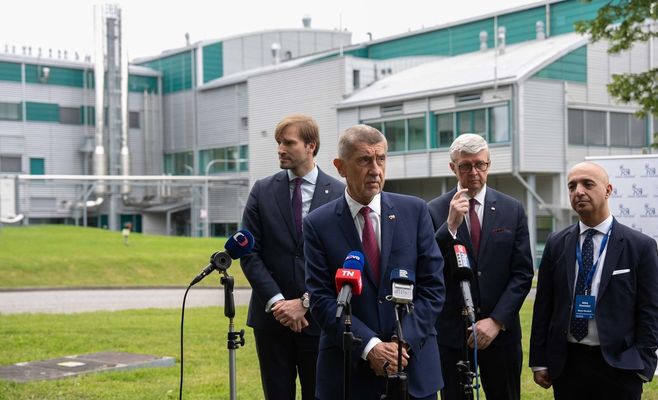
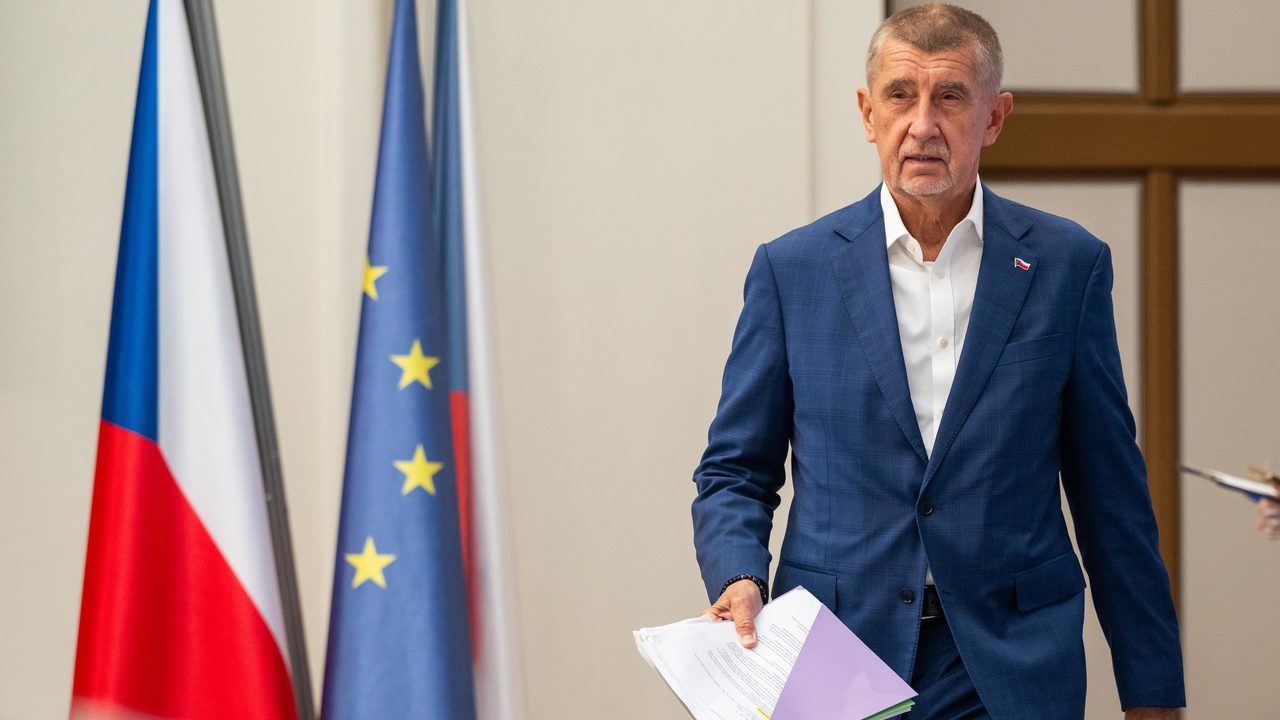
Czech Prime Minister Andrej Babiš said in July, following a cabinet meeting, that he sees no point in the country's participation in the so-called "coalition of the willing" — a grouping of states supporting Ukraine in its fight against Russian aggression. According to him, he has no need to belong to a coalition "on paper" that "has never produced anything but political chatter," and he rated the outcome of Czech participation as "zero."
However, the Czech Ministry of Defence, headed by Jaroslav Zuna (SPD), takes a different view. According to ministry spokesman Petr Pešek, beyond contributing to peace in Ukraine, coalition membership brings the Czech Republic concrete benefits: the transfer of combat experience from the Ukrainian army to Czech soldiers, as well as opportunities for the defence industry and Czech companies that could take part in rebuilding Ukraine.
What sources say
Sources familiar with the coalition's current or past activities also agree that participation benefits the Czech Republic. According to a source close to the government and Defence Ministry leadership, Babiš's statement was ill-considered — the cabinet is currently looking for ways to get a return on its support for Ukraine. Industrial cooperation is cited as the most promising avenue, one that would simultaneously help better arm the Czech military.
Another area is the training of Ukrainian soldiers: this gives the Czech army a faster grasp of what modern warfare looks like, and in the long run could become a condition for greater involvement of Czech business in Ukraine's reconstruction. There are risks, however. According to the source, the sabotage at Vrbětice (an explosion at a military depot that Czech authorities attributed to Russian intelligence services) and the appearance of drones over Leipzig Airport show that these risks are far from negligible.
Access to information and negotiations
Former Foreign Minister Jan Lipavský (ODS) noted that coalition membership gave the Czech Republic access to information and negotiations it would not otherwise have had. According to him, this boosted the potential of the Czech "ammunition initiative" to procure shells for Ukraine and strengthened the country's international standing.
The coalition's main talks take place at the level of heads of state and make world headlines, but as Lipavský explained, these are followed by meetings of chiefs of general staff or foreign ministry political directors, as well as working groups that are never reported publicly. Another former Foreign Ministry official under the previous government confirmed that for the Czech Republic, access to information — particularly battlefield data — is what matters most about the coalition. According to him, meetings regularly included briefings from the Ukrainian side on current needs.
History of the coalition and a fresh dispute
The "coalition of the willing" emerged in the spring of last year as a grouping of mostly European countries backing Ukraine against Russian aggression. It is not a formal organisation like NATO or the EU — it operates informally and, by various counts, brings together between 30 and 40 members. Its purpose is to work around official structures weakened by the stance of US President Donald Trump and Hungary under Viktor Orbán.
Babiš's criticism was triggered by the fact that, at a coalition meeting in Paris, he learned of a new initiative by several European countries on joint defence against ballistic missiles only during the meeting itself. It later emerged that what actually angered the prime minister was not being informed of the initiative in advance.
Read also: Free Czech courses for foreigners: where to study
Source: novinky.cz