Babiš Embarrasses Himself with "Our Own Missiles" Idea for the EU — Czechia Left Out of European Missile Shield
USD 21,08
Popular
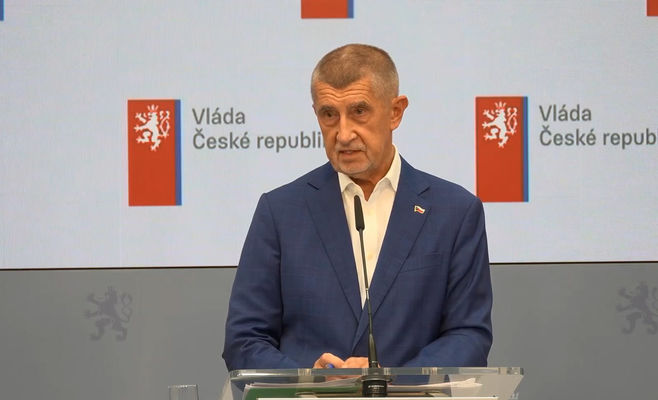
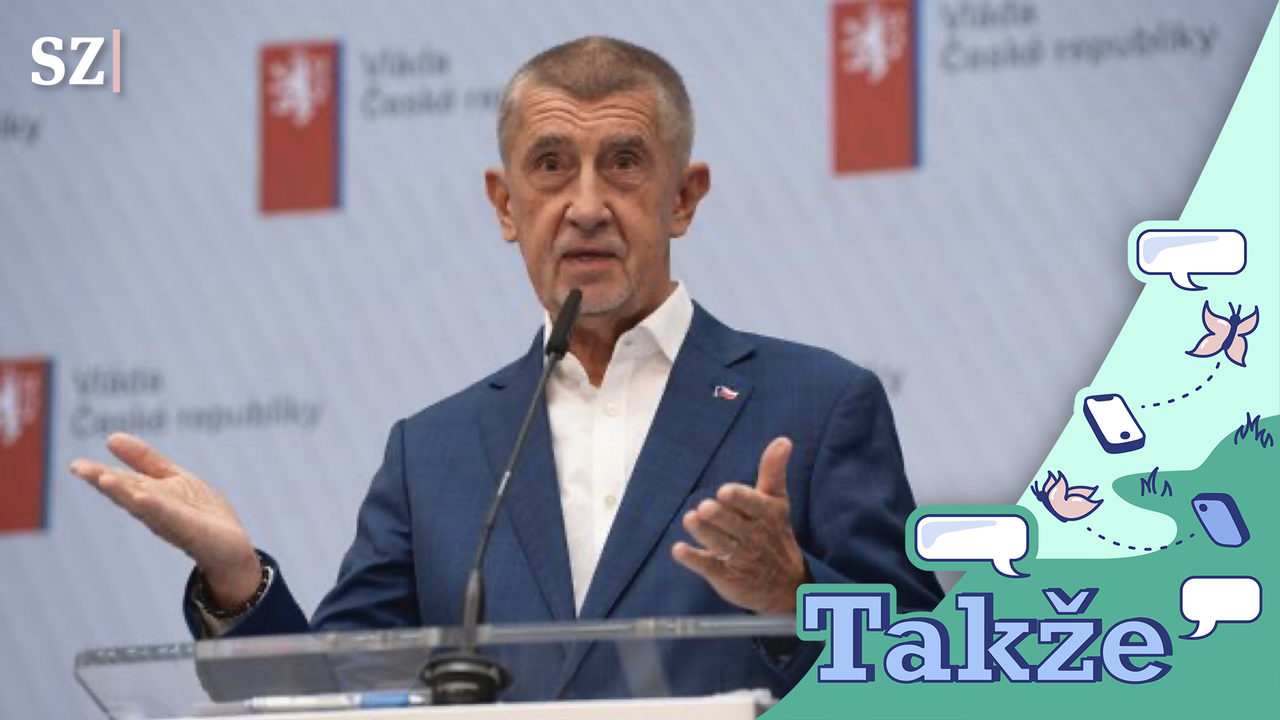
At the Paris summit of the "coalition of the willing" on 13 July, Czech Prime Minister Andrej Babiš declared that EU countries should acquire their own missiles and build a European missile shield — at the very moment when just such an anti-ballistic coalition had already been put together without Czech involvement, even though Prague had been informed about its creation beforehand.
According to available information, Ukraine has been discussing the project, codenamed Freya, since as far back as November 2025. In March, Ukrainian President Volodymyr Zelensky publicly announced that Ukraine was working with several European countries with large defence industries on an anti-ballistic missile programme. The system in question is being developed by the Ukrainian company Fire Point, and the missiles are already in the final stage of testing.
In May, a video conference of thirteen European countries was held with national security advisers to discuss the details of the project. The Czech Republic was represented by diplomat Hynek Kmoníček, who had served as an adviser to Babiš. Representatives of the Czech Ministry of Defence were also kept informed in parallel. At the time, the Ukrainian side asked all countries to confirm their participation in writing, since the project was on the verge of launch — but the Czech side never responded to that request.
In early July, at the NATO summit, alliance Secretary General Mark Rutte had already discussed the coalition's details with Zelensky and other leaders. At the now-famous dinner in Ankara, Andrej Babiš sat at the same table as Zelensky.
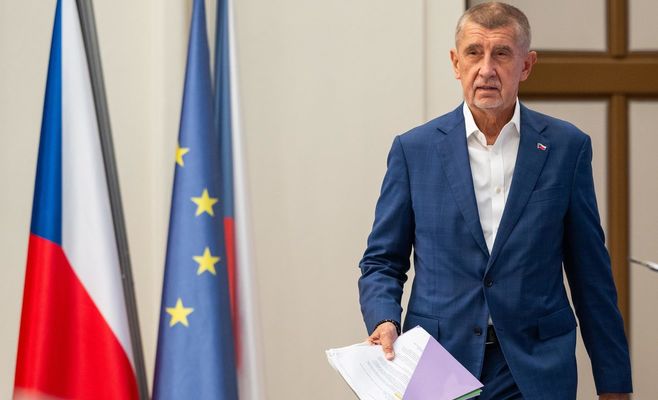
Despite all this, on 20 July Babiš claimed he knew nothing about the project, and criticised the Ministry of Defence for failing to inform him. "It's incredible that this issue was never brought before the State Security Council. The ministries seem to be acting on their own," the prime minister said at a press conference following a cabinet meeting. In response, Defence Minister Jaroslav Zůna said he couldn't recall whether he had received information in May, adding only that "quite a few coalitions like this tend to spring up."
There are several possible explanations for what happened. Either officials — Kmoníček, or the Ministry of Defence, which is headed by a representative of the pro-Russian SPD party — deliberately withheld the information from the prime minister, having decided in advance that he would not want to get involved in a project tied to the war in Ukraine, since, as Babiš himself has said, the topic "is not part of the government's policy programme." Neither Kmoníček nor the government's press office responded when asked whether the prime minister had been informed of the outcome of the May meeting of security advisers.
Or the prime minister is simply not telling the truth, and in fact knew about the coalition being formed well in advance, but chose not to publicise it for political reasons — given the pro-Russian sentiments within his own team. It is also possible that Babiš deliberately kept Czech defence companies away from the project, given his long-standing, reportedly jealous attitude toward who gets to profit from such deals.
Either way, the fact remains: Czechia has ended up excluded from the first wave of one of Europe's key defence projects, and the prime minister publicly embarrassed himself by presenting as his own initiative something that had already been under discussion for months without Prague's involvement. One can only hope the country will still be able to join the coalition later — and that it will be this very Babiš government that does so.
Source: seznamzpravy.cz