Babiš–Pavel Conflict Deepens: Lawyers Warn of Risk to State Powers
USD 21,04
Popular
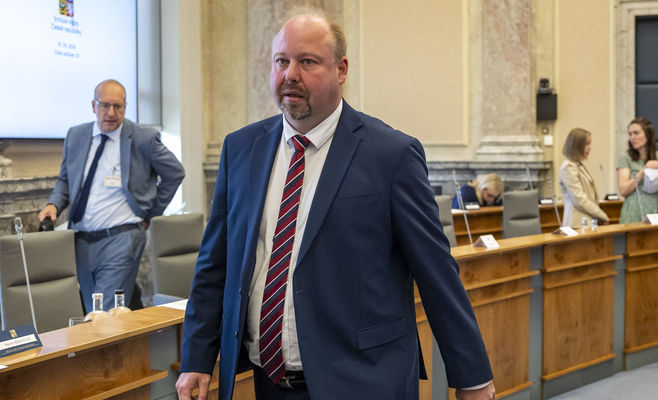
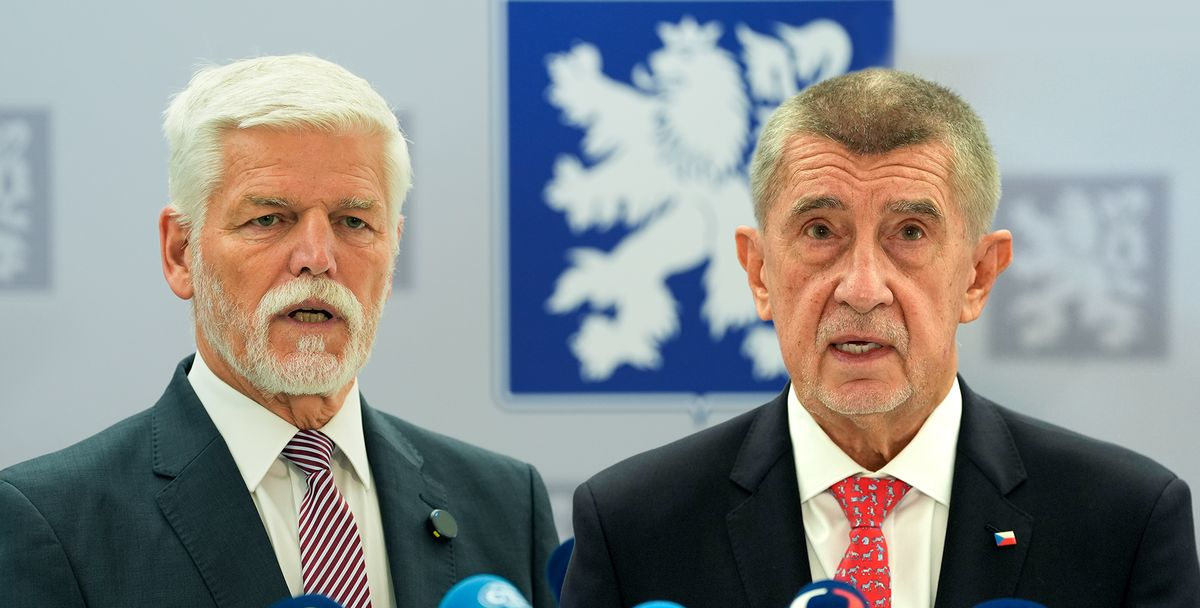
Czech Prime Minister Andrej Babiš said in a television interview that he has no intention of coordinating his actions with President Petr Pavel and sees no point in meeting him. “Why would I need to coordinate anything with him? We have our own policy, there's a government policy statement, and I don't want to be part of his campaign,” Babiš said.
According to the prime minister, he simply doesn't have time for meetings with the president. His remarks came in response to Pavel's statement that he hopes to normalise relations with the cabinet.
Tomáš Nahodil, a lawyer specialising in constitutional law, told the newsroom that if the prime minister or individual cabinet members refuse an official invitation from the president to discuss matters within their remit, this would constitute a breach of constitutional obligations stemming from Article 64, Paragraph 2 of the Czech Constitution. Under this article, the president has the right to request meetings with cabinet members on issues within their competence, and refusing such a meeting could be considered a violation of the Basic Law. However, no official invitation has been issued so far — Pavel has only expressed interest in resuming contacts.
Presidential spokesman Vít Kolář explained that the competence lawsuit filed by the head of state over the composition of the delegation to the NATO summit in Ankara was an exceptional step, and that the Castle has no plans for further lawsuits at this time. “You know the president — he always explores every possible avenue before taking the next step,” Kolář noted. The prime minister did not respond to the newsroom's request for comment.
Constitutional lawyer Ondřej Pruis warns that if new disputes between the president and the government reach the Constitutional Court, this could lead to a narrowing of powers for both sides. According to him, the court would have to clearly define exactly what the Constitution prescribes for each institution of power, which could inadvertently strengthen the position of one side at the expense of the other. “This could already happen within the current proceedings,” Pruis added, referring to the president's competence lawsuit filed a few weeks ago.
Last Saturday, President Pavel expressed hope for a normalisation of relations with the government. Yet by the very next day, Babiš had reacted sharply — both on television and in his traditional Sunday Facebook video. The prime minister was particularly incensed by the president's participation in the NATO summit, where, he said, the head of state made the country a laughing stock in front of its allies.
“It turned out just as I expected — a disgrace,” Babiš said in his video address. “Foreign partners came up to us and asked: good God, what's he doing here, what is he even doing here?” the prime minister added, accusing the president of laying the groundwork for his re-election campaign.
It was the Ankara summit that became the flashpoint of a conflict that began with the refusal to appoint Filip Turek, a deputy from the Motorists party, to a ministerial post. The government insisted that Pavel should not be part of the delegation, despite the fact that historically the president has traditionally led Czech delegations to NATO summits.
Shortly before the summit, Pavel filed a competence lawsuit against the government with the Constitutional Court, claiming that the cabinet was obstructing his exercise of constitutional powers. The court has not yet issued a final ruling, but given that the summit was imminent, a preliminary order was issued requiring the government to include the president in the delegation.
Source: novinky.cz