Babiš's Government Is Preparing a Record Deficit While Trying to Keep Voters in the Dark
USD 20,94
Popular
Andrej Babiš's government is preparing a significant state budget deficit for next year, but is doing its best to avoid drawing voters' attention to it. According to experts, the cabinet plans to scrap the budgetary rules altogether, while Babiš himself presents keeping public debt "under 400 billion crowns" almost as an achievement.
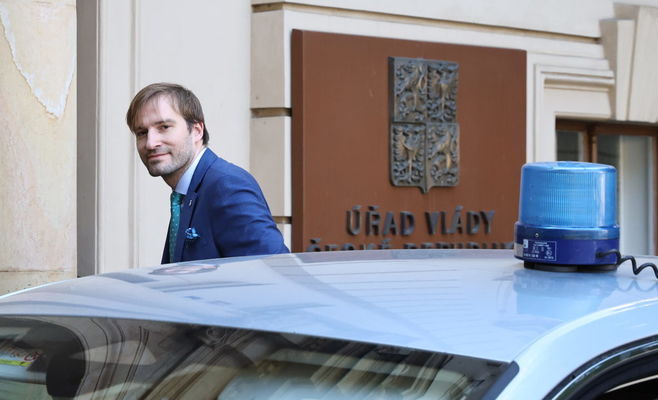
ANO voters want Babiš to deliver on his campaign promises, yet they are also wary of large state borrowing. That's why Finance Minister Alena Schillerová insists the money will go "into investment," while promising a balanced budget somewhere down the road. The prime minister himself repeats at every public appearance: "You don't need to worry — Schillerová and I have a historically responsible record on fiscal policy."
Why all the caution?
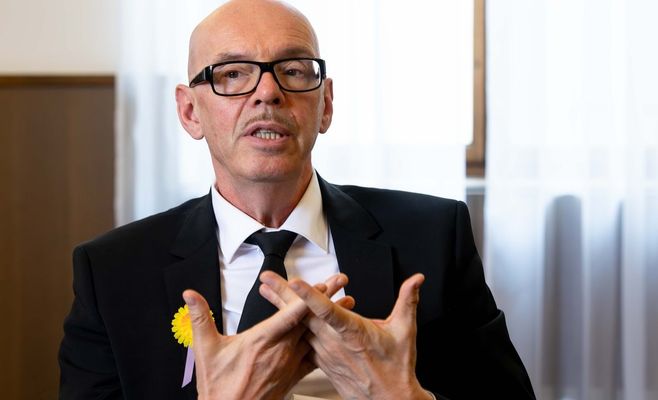
Just a few months ago, the government's policy statement spoke of returning to balanced budgets. Part of the ANO electorate remains traditionally conservative and wary of large debts. "A massive rise in debt is simply unpopular in Czechia — remnants of fiscal conservatism still live on in us," notes Mojmír Hampl, chairman of the National Budget Council.
Staying within budgetary limits would require the authorities to push through harsh spending consolidation. But the coalition of ANO, Motoristé (Motorists) and SPD is moving in the opposite direction, promising higher pensions and more money for healthcare, transport, energy and defence. Meanwhile, the savings on offer are far more modest — the government isn't prepared to find hundreds of billions of crowns by shrinking the civil service or cutting subsidies to non-profit organisations. It also has no appetite for raising taxes, and the planned sale of state enterprises won't cover the gap.
Three arguments meant to reassure voters
Schillerová keeps repeating that "we'll invest our way out of the crisis with debt" — the idea being that borrowed money will fund investments that boost the economy and eventually bring the budget back to normal. But according to analysts at the Center for Public Finance, expecting investment alone to balance the budget is naive. Even the government's own fiscal-structural plan doesn't assume a sharp rise in the country's economic potential.
The second argument is that Czechia is supposedly the EU's "star pupil" when it comes to public debt levels. Formally, the debt level is indeed not among the highest — but the debt is growing faster than in 15 other EU countries, where the debt-to-GDP ratio is actually falling. As a result, Czechia is borrowing on increasingly worse terms, and not having the euro further raises the cost of servicing that debt — already more than 100 billion crowns a year, comparable to the budgets of entire ministries.
The third argument is the promise of budget consolidation "later." But in reality, the only convenient window for unpopular measures is 2027, the one year without elections: presidential elections are due in 2028, parliamentary elections in 2029. Experts consider it highly unlikely that the government will actually take that step during that narrow window.
Source: seznamzpravy.cz