USD 21,26
Popular
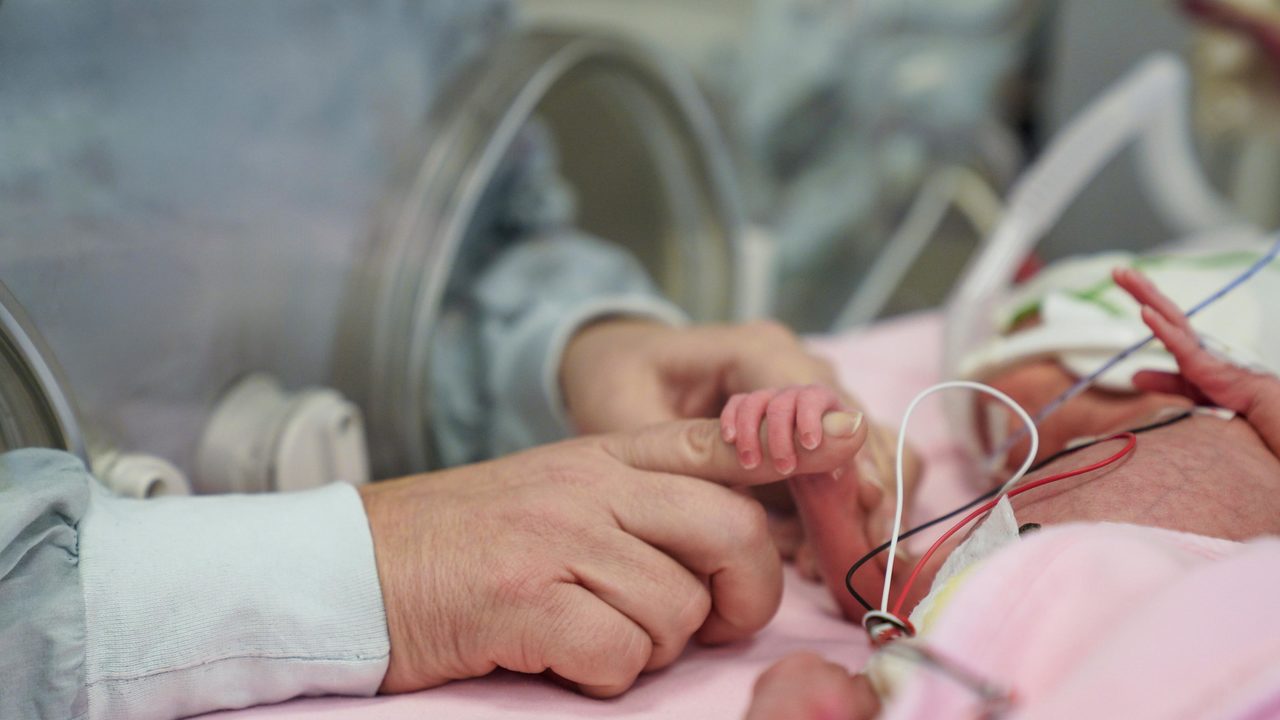
A newborn boy named Noah Gabriel, born in mid-June in São Paulo, Brazil, with a cleft palate and breathing difficulties, was officially pronounced dead after failed resuscitation attempts at the hospital. About two hours later, funeral home staff arriving to collect the body from the morgue noticed that the bag containing the infant was moving.
Medics rushed to the scene confirmed the baby showed basic vital signs. The boy was immediately transferred to the intensive care unit of a specialized clinic in the city of Bauru, Brazilian news portal G1 reports.
The parents, who had already come to terms with the loss of their son and were preparing for the funeral, suddenly found new hope. Doctors at the clinic where the child's death had earlier been declared admit they are completely baffled, calling the case "inexplicable" and a true "miracle."
The clinic's director, Marcos Aurélio Mestriner, insisted that medical staff strictly followed all procedures before pronouncing the infant dead. "We resuscitated him for more than 40 minutes. All the equipment showed the baby was dead," he said.
According to him, an ethics committee is now investigating the incident, and there is no explanation for what happened so far. The boy remains on life support, and his condition is still serious. Nevertheless, the family reports positive progress and is eagerly awaiting the doctors' permission to take their son home — no exact discharge date has been announced yet.
"We're happy regardless," said the child's mother, Letícia Cristina da Cruz Santos.
Experts describe the case as an example of the so-called Lazarus phenomenon — a rare medical occurrence in which, after failed resuscitation and a declaration of death, a person's heartbeat and blood circulation spontaneously return. The name comes from the biblical figure of Lazarus, raised from the dead by Jesus.
According to the clinic's director, such cases are extremely rare worldwide: a 2020 review recorded only 65 similar episodes, the vast majority involving adults and the elderly rather than children. "Usually it takes just a few minutes: about 70% of people 'come back' within five minutes, the rest within ten. This child's case is unique in that we're talking about hours," Mestriner emphasized.
Source: novinky.cz