Barrels, Pipes and Chimneys: How Everyday Objects Become Deadly Traps for Birds
USD 21,00
Popular
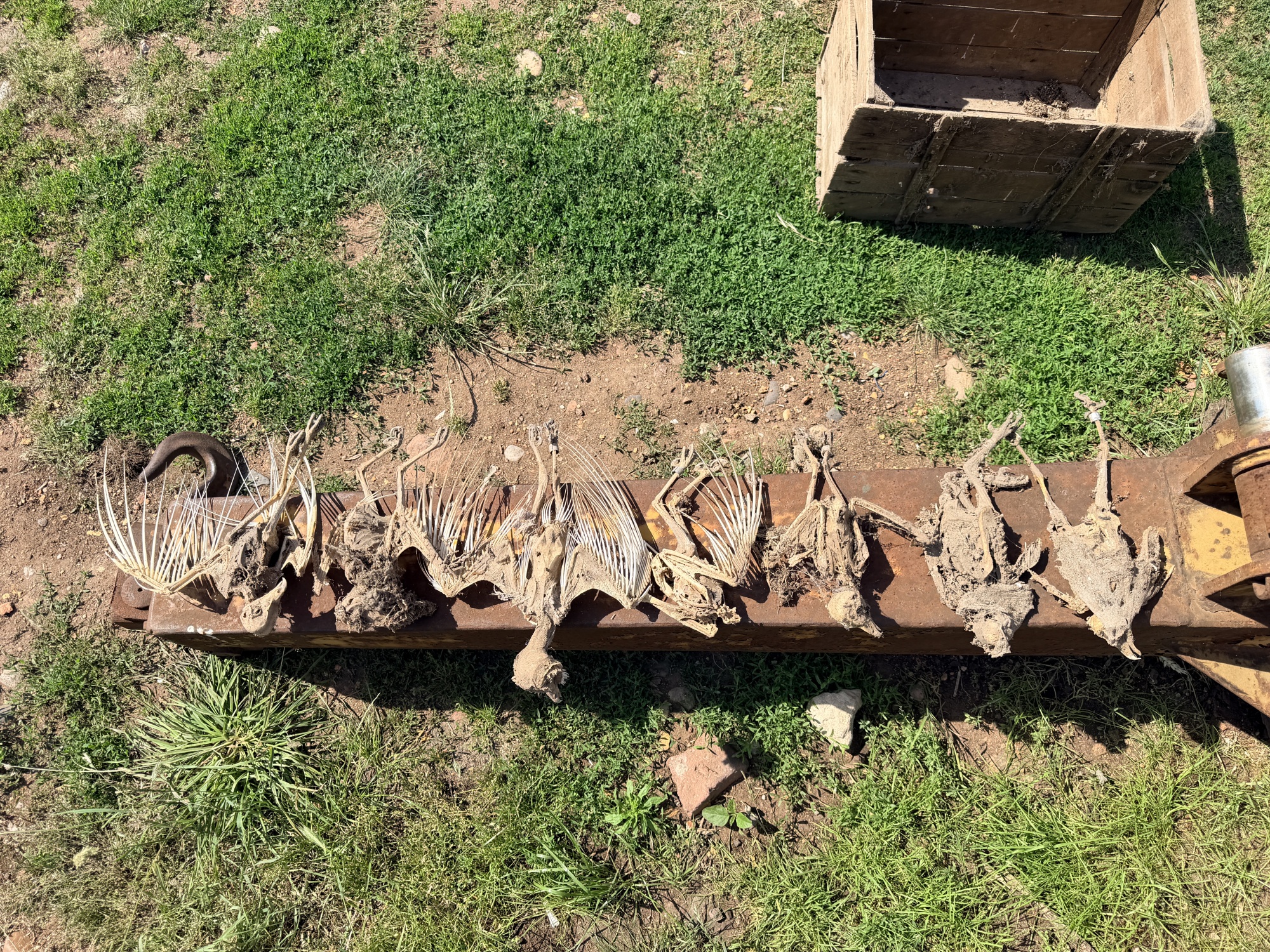
Ecologists are warning that ordinary items found in gardens, cottages and farms — drainpipes, water barrels, chimneys and ventilation shafts — cause the deaths of thousands of birds and small animals every year. According to ornithologists, a recent inspection of a rural homestead found seven dead barn owls of various ages inside vertical hay-blower pipes.
Birds, being naturally curious creatures, often fly or fall into smooth, narrow pipes, chimneys, gutters and ventilation ducts — and then can't get out. The smooth walls give them nothing to grip, and the animal slowly dies of exhaustion and starvation. Experts refer to these as "technical traps" and divide them into three main categories: hollow vertical structures, water-filled containers, and other everyday household hazards.
Owls are especially vulnerable to this danger, including the endangered little owl. According to specialists' statistics, technical traps account for 36% of little owl deaths for which the cause could be determined over recent decades.
Ordinary water containers — barrels, tubs and basins found in almost every garden or farmyard — are just as dangerous. Their smooth vertical walls trap not only birds but also bumblebees, bees, amphibians, lizards and rodents. Swimming pools pose a particular threat, since Czechia has more pools per capita than most countries in the world, according to ecologists. One especially grim record was set by an abandoned tank of molasses on a farm, where 59 dead birds of six different species were found — escape from the sticky liquid was virtually impossible.
Other hazards include nets and ropes — leftover hay-bale wrapping, protective crop netting and fishing line, in which animals become entangled — as well as glue traps meant for insects, which can accidentally kill birds too, and glass building surfaces that birds fly into, unable to recognise them in time.
Ecologists stress that most of these traps can be eliminated in a matter of minutes. Vertical pipes simply need to be laid horizontally or covered with mesh or a board; chimneys should be fitted with a metal grille or spark arrester; gutters should be protected with leaf guards; and ventilation shafts should be covered with a grille or rabbit wire.
For water containers, experts recommend attaching a wire mesh to the rim that a drowning animal can climb out on, and placing a piece of foam or a wooden board on the water's surface as a floating "life raft." Special rescue floats are sold for swimming pools, while unused barrels are best simply turned upside down or sealed tightly with a lid.
According to ecologists, all it takes is to look at your property "through a bird's eyes" to spot dangers that previously went unnoticed. Removing such a trap requires minimal effort but can save the life of a feathered neighbour.
Read also: Thermal resorts and spas of Czechia: 11 places for relaxation and health
Source: ekolist.cz