Battle for public broadcasting in Czechia already lost, say political analysts Komárek and Staněk
USD 21,01
Popular
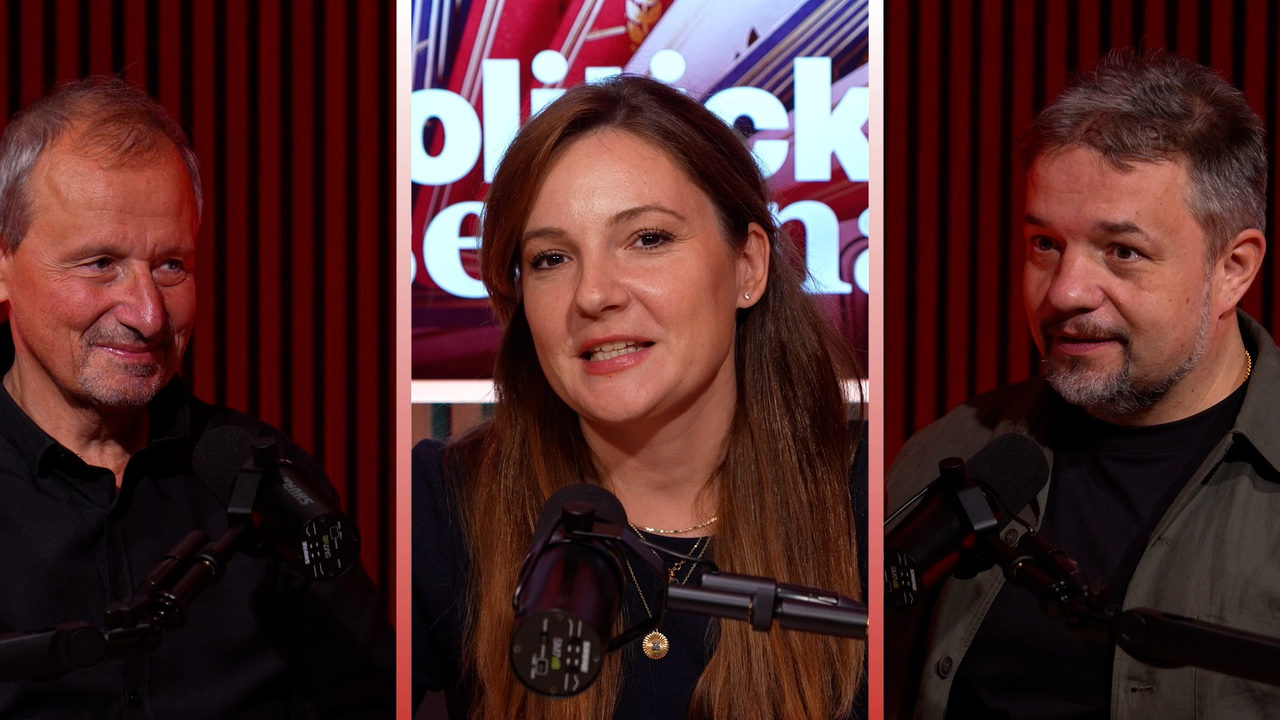
The Chamber of Deputies of the Czech Parliament will convene on 25 August to override President Petr Pavel's veto of the new fiscal responsibility law. This is according to a discussion in which political analysts Michal Komárek and Ondřej Staněk weighed in on the current political situation in Czechia.
Pavel rejected the measure, arguing that it threatens the long-term sustainability of public finances. For the ruling coalition, however, the bill is a matter of principle: next year the government plans a budget with a deficit noticeably higher than 310 billion crowns.
According to Komárek, a deep budget deficit is unlikely to worry the coalition's voters. "People don't care either way. Hardly anyone grasps the difference between 150 and 350 billion anymore," he noted. Staněk added that the issue simply doesn't interest ANO voters. The SPD and the Motorists will get through it just as painlessly, he said, even though both parties promised spending cuts and a balanced budget before the election. "Nobody believes campaign promises are worth anything anymore. And that's not just true of populist governments — Fiala's promise not to raise taxes has already become legendary," Komárek remarked.
The fate of public television and radio
Another major political topic this autumn will be the effective nationalisation of public broadcasters — the scrapping of licence fees for Czech Television and Czech Radio. The government intends to get this done before the end of the year.
"The battle for public media is already lost," Staněk believes. Komárek agrees: even if the government fails to abolish the fees from 1 January 2027, it will happen no later than the following year.
According to both analysts, a possible strike by Czech Television employees would no longer be able to reverse the authorities' decision — above all because the media landscape today is completely different from what it was during the previous strike in 2000. "Television and radio simply don't hold the same significance for us as they used to," Staněk added.
Staněk blames the current state of public broadcasting on the previous government of Petr Fiala (ODS), under which strong television director Petr Dvořák stepped down. On top of that, the Television Council has long put pressure on programme content.
Is there any chance Babiš will change course?
According to Komárek, there remains a small chance that Prime Minister Andrej Babiš will abandon the idea of "nationalising" public broadcasters after all. "Babiš likes being liked by people," the analyst noted.
A large-scale demonstration in defence of public television and radio and the preservation of licence fees could sway his position. "The question is whether you could gather even half a million people on Letná. I don't think you could, but if it happened, the situation might change. I think Andrej Babiš finds all this very unpleasant," Komárek concluded.
Source: novinky.cz