Big Business in Moravia: "Prague Doesn't Interest Us Anymore, We're Looking at Warsaw"
USD 21,04
Popular
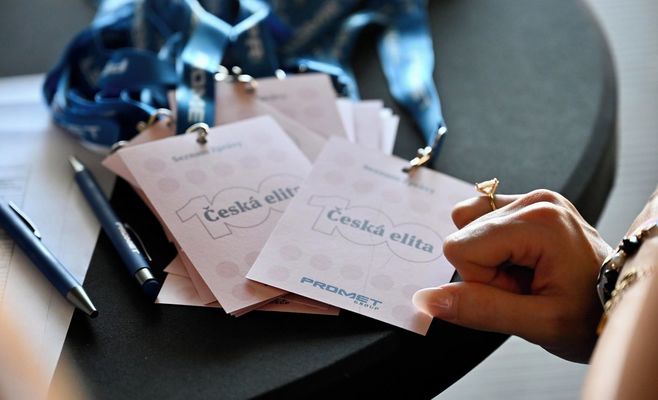
At the Colours of Ostrava music festival in Vítkovice, a panel discussion brought together some of the biggest entrepreneurs from the Moravian-Silesian Region, who said their region is increasingly gravitating economically toward Poland rather than Prague.
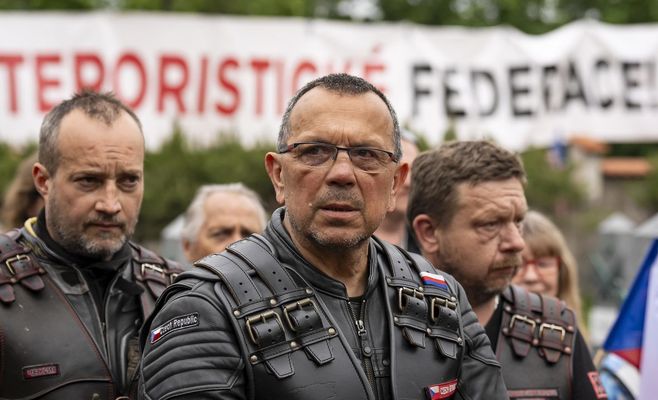
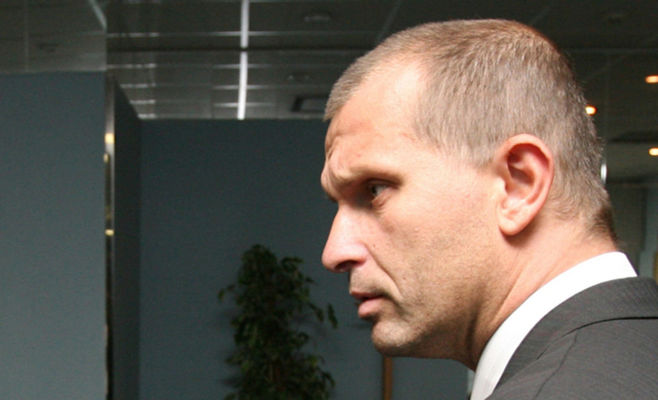
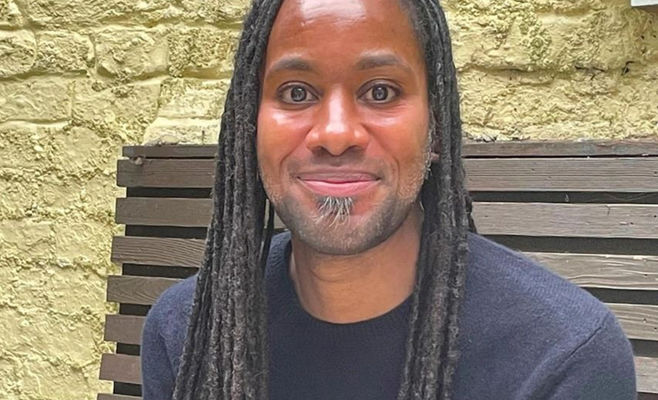
Taking part in the discussion were Denisa Materová, co-owner of Promet Group; Pavel Juřička, owner of Brano Group; Yannis Samaras, owner of Kofola; and Petr Popelář, chairman of the board of Moravia Steel — the parent company of the Třinec Iron and Steel Works.
Popelář, who has lived in the region his entire life, stressed the loyalty of local workers to their employers: entire generations of families, he said, have tied their fate to the steel group, and that is the region's greatest asset — one that's hard to find anywhere else.
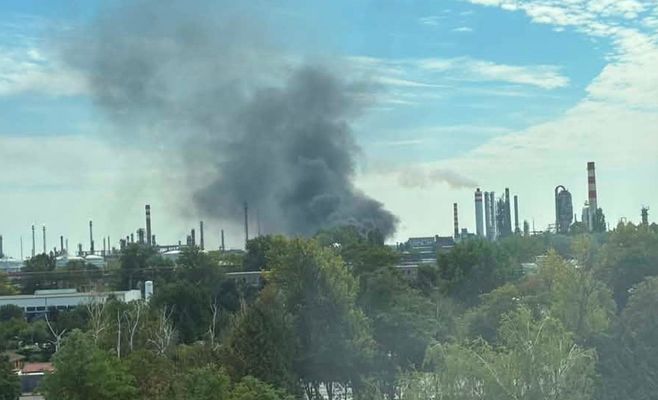
Materová described the Ostrava region as the "industrial heart" of a well-positioned area, close to both Vienna and Poland — the latter, she said, is currently especially inspiring in terms of its development.
Juřička, however, warned that you can't live off the past forever: the region has advantages that Czechia has failed to capitalize on due to decades of neglecting technical education. Without innovation and creativity, he argued, breaking into the global market is impossible.
Popelář agreed, noting that even the VŠB – Technical University of Ostrava struggles to attract students into metallurgy and mining programs — interest in these fields has plummeted over the past few decades. As a result, companies like the Třinec Iron and Steel Works are finding it increasingly hard to fill positions, especially for night shifts and weekend work, making hiring foreign workers a necessity rather than a choice.
Samaras raised the issue of tax distribution: municipalities often see industrial plants as a burden — trucks, noise — without getting enough in return. Juřička shared a similar experience: the town of Hradec nad Moravicí, home to Brano's headquarters, used to receive a share of the company's tax payments, but that practice has since ended, despite appeals to every government since.
Prague & Czech news — straight to your inbox
Subscribe to our digest: the essentials of life in Czechia, once a day. No spam.
Materová added that lengthy building-permit procedures remain one of the biggest obstacles to new investment in the region.
Against this backdrop, the cross-border Ostrava–Katowice agglomeration is becoming ever more important: residents of Ostrava now prefer flying abroad not from Prague, but from Katowice or Kraków — it's closer, and the quality of service is just as good. Samaras described Poles as more ambitious and "more worldly-wise," willing to go the extra mile for success — both as individual entrepreneurs and as a nation.
Juřička's companies built a large office building in Warsaw in just eight months and erected wind farms on the Baltic coast. "Prague barely interests us anymore in that sense," the entrepreneur said, referring to Czechia as a whole.
Popelář echoed the criticism of business conditions in Czechia, noting that neighboring Poland processes building permits faster and offers more attractive investment incentives, drawing capital toward Poland rather than northern Moravia. In his view, Czechia should learn from Poland's success and develop cross-border cooperation wherever it benefits both countries.
Source: seznamzpravy.cz