Boeing outpaces Airbus in orders for the first time in years, but is still paying for past failures
USD 21,04
Popular
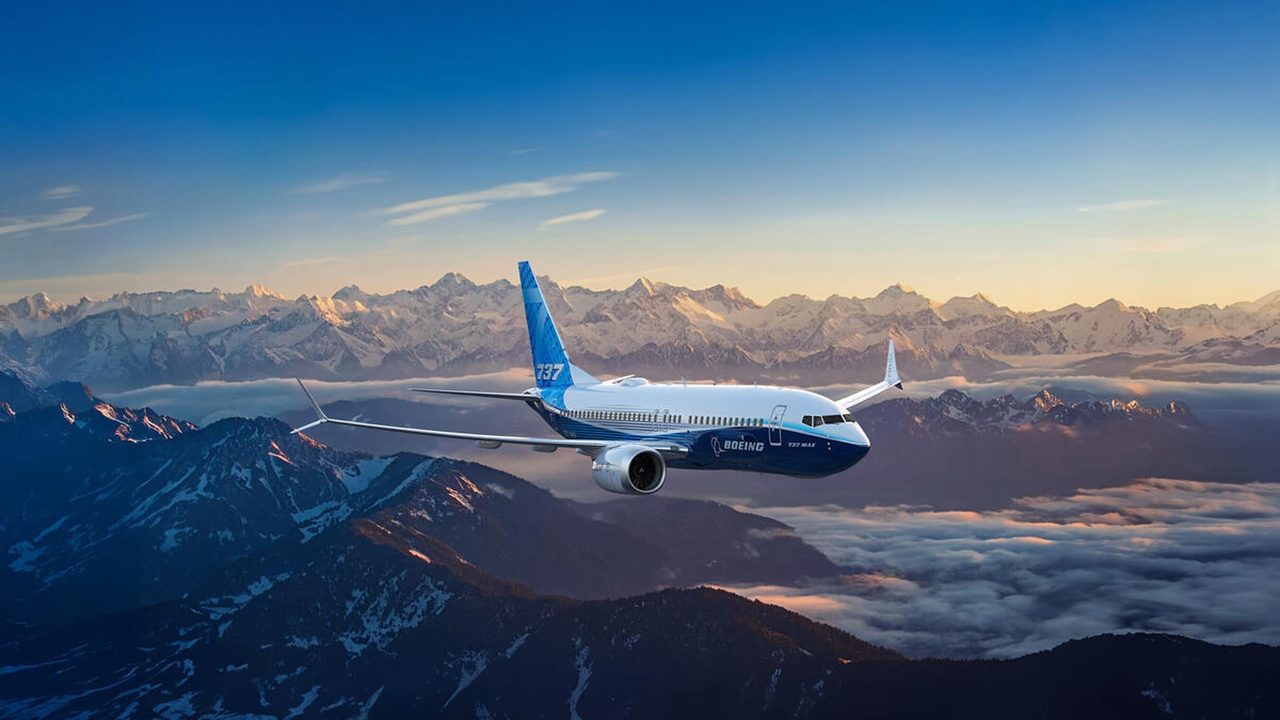
At the Farnborough Airshow in late July, America's Boeing outsold Europe's Airbus in new orders — 173 aircraft to 154. It was a striking sign that the balance of power in global aviation manufacturing is shifting for the first time in several years, after a long stretch during which Airbus held a commanding lead.
Both aerospace giants carry order books stretching years into the future, and delivery speed has long been the key measure of success. That's precisely where Airbus has recently stumbled, hampered by engine supply problems, while Boeing has been working to move past a string of high-profile scandals — including two fatal crashes of the 737 MAX in 2018–2019 caused by a hidden software flaw, and a 2024 incident in which a fuselage panel with a window blew off an Alaska Airlines jet mid-flight.
According to Bloomberg Intelligence analyst George Ferguson, quoted by the Seattle Times, it's now Airbus that has to convince customers their planes will arrive on time, whereas Boeing has already shown tangible progress. Ryanair, which had previously kept its own inspectors stationed at Boeing plants over quality-control concerns, has acknowledged the improvements and pulled its monitors out.
A growing order book
Over the past five years, Airbus's biggest deals have included 500 A320neo-family jets for IndiGo, along with contracts with Turkish Airlines, Wizz Air and Air India. Boeing, meanwhile, has landed orders for up to 300 737 MAX 10 jets for Ryanair, 200 737 MAX-family aircraft for United Airlines, and major deals with Air India and Qatar Airways for the 787 Dreamliner and 777X.
Boeing recently secured long-awaited certification for the 737 MAX 7 — the smallest jet in the family but the one with the longest range, making it attractive for less-busy routes. At the same time, the US Federal Aviation Administration (FAA) is working toward certifying the largest model in the lineup, the 737 MAX 10, which Ryanair is eagerly awaiting. Boeing hopes to win approval before the end of the year, with first customer deliveries expected in 2025.
"Tin cans" and lost trust
While Airbus continues to dominate the narrow-body market with its A320 family, Boeing has been clawing back ground in the wide-body segment with the 787 Dreamliner and the upcoming 777X, luring away long-standing Airbus customers such as Qatar Airways and Emirates. Contracts have also been signed with the ambitious Saudi carrier Riyadh Air.
The 777X programme, however, is badly behind schedule: first deliveries were originally due back in 2020, but FAA certification isn't expected before early 2027 because of technical hurdles, including the folding mechanism for the jet's extra-long wings. The delay has already cost Boeing more than 350 billion crowns, and the bill keeps growing due to compensation payouts to customers and the need to rework aircraft that have already been built.
Emirates president Tim Clark has been scathing about the first completed 777X units, likening them to "tin cans of beans" and saying Emirates won't accept them because they fail to meet requirements — Boeing, he argued, needs to build new aircraft, while the existing ones should simply be "parked somewhere".
What's next for the market
Meanwhile, Airbus has been testing a new long-haul aircraft for Australia's Qantas: in late July, during a trial flight from Australia to France, the jet stayed airborne for more than 24 hours and covered over 23,000 kilometres — a capability that would let Qantas skip intermediate stops on the way to Europe.
Both manufacturers are also weighing the future of the crucial narrow-body segment, currently dominated by the A320 and 737 families. Airbus plans to begin developing a genuinely new-generation airliner around 2030. Boeing CEO Kelly Ortberg has acknowledged that his company first needs to get its finances in order — a process he says will take several more years.
Even as optimism grows, Boeing is still grappling with the fallout from past troubles: just last week, the FAA issued a new directive requiring inspections of roughly 1,500 737 MAX jets over concerns about potential cracking in the fuselage near the emergency exit doors.
Source: seznamzpravy.cz