Children Are Becoming More Violent: Experts Blame Social Media and Overprotective Parenting
USD 21,08
Popular
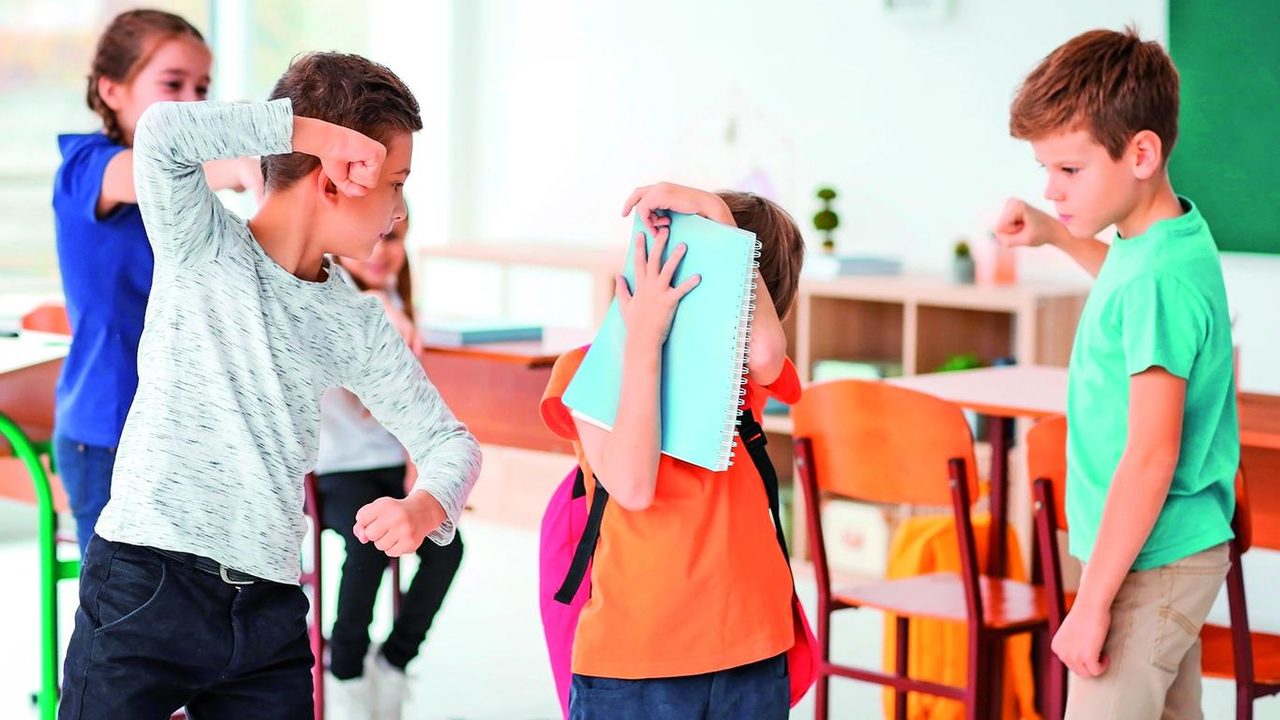
In the Czech town of Vyškov, a group of children and teenagers brutally beat a fifteen-year-old boy outside a shopping centre — some of the attackers filmed the assault on their phones, and the footage later spread across social media. The victim ended up in intensive care with severe injuries. Experts say this is just one of a growing number of incidents of unprovoked violence among minors.
The video, parts of which were later published by media outlets with the attackers' faces blurred, shows that several girls also took part in the beating — one of them calmly filmed the scene and, when the opportunity arose, kicked the victim, who was struggling to fend off his attackers.
According to Lukáš Koblicha of the Prague regional police department's anti-extremism and anti-terrorism unit, the main driver behind the rise in violence is mobile phones in children's hands and unchecked exposure to harmful online content from an early age. He notes that today, the most brutal content is available "in two clicks." "Children watch murders, torture, severe injuries or hardcore pornography with no filter whatsoever. And by tolerating this kind of content on platforms, we send young people the message that such violence is normal — we're normalising it," Koblicha said at the Czech Association of Street Work's May conference. Streaming platforms are just as dangerous, he added, since entire series devoted to maniacs and serial killers effectively turn them into "heroes."
Although the overall crime rate in Czechia is falling, its nature is shifting: violent crime has been on the rise since 2015, particularly among children and adolescents, and cases involving psychopathological personality traits are also increasing. The turning point, according to the expert, was the social isolation children experienced during the COVID-19 pandemic.
Koblicha points to another factor behind the rise in aggression: overly protective parenting. "It starts with small things. A child runs outside, we tell them to grab a jacket, they don't — and a minute later they call mum saying they're cold, so mum brings the jacket over. We clear every obstacle out of their path, absolve them of responsibility for their actions, and never let them build resilience to stress," he warned.
Children increasingly live in an online world and adopt its behavioural patterns. "Today, the main role model is whoever has the biggest reach. And that has nothing to do with morality or anything positive," the police radicalisation and terrorism expert stressed. He cited organisers of mixed martial arts fights as an example — a field that often includes criminal figures, former convicts, and "eccentric" influencer bloggers: "I could walk into any Prague school, and every pupil from fourth grade up would know who they are. And they see them on the very same platforms where their mum, their teacher, and even the president have accounts. This creates the impression that such behaviour is an ordinary, normal part of society." Children learn the lesson that violence can bring fame.
The expert also criticised the negative side effects of blanket school inclusion policies: "We forcibly place pupils with special needs — impulsive, psychotic, aggressive children — into mainstream classrooms." According to his observations, today's children are increasingly likely to justify violence as a legitimate way of solving their inner problems.
The specialist also described typical warning signs of radicalisation in minors: a sense of grievance and being undervalued, bitterness towards others and the world, intolerant and abusive remarks, a divide between "us and them," a readiness to inflame conflict, extreme rigidity about rules, depression, self-harm, suicidal tendencies, aggression and threats of violence. As Koblicha noted, radicalisation is rooted in unmet basic needs — sleep, a sense of safety and security, recognition, and self-fulfilment — and sleep deprivation, in turn, is worsened by smartphones. "Deprivation plus frustration combined with social isolation equals hatred and violence — unfortunately, it really is that simple," the expert concluded.
According to the Institute of Criminology and Social Prevention's 2023 study on youth crime, the number of solved violent crimes committed by children and adolescents rose noticeably compared to previous years, reaching its highest level since records began in 2019: 655 such cases were recorded in 2019, 569 in 2022, but the figure jumped to 741 in 2023. The highest numbers of prosecuted minors were registered in Ostrava, Brno, Děčín, Karviná, České Budějovice and Most, while the lowest were in the Prague-West and Prague-East districts, as well as in Rakovník, Kutná Hora, Tachov and Jičín.
Read also: Brno: what to see and where to go
Source: denik.cz