China Lands Reusable Rocket on Solid Ground for the First Time — Almost Like SpaceX
USD 21,68
Popular
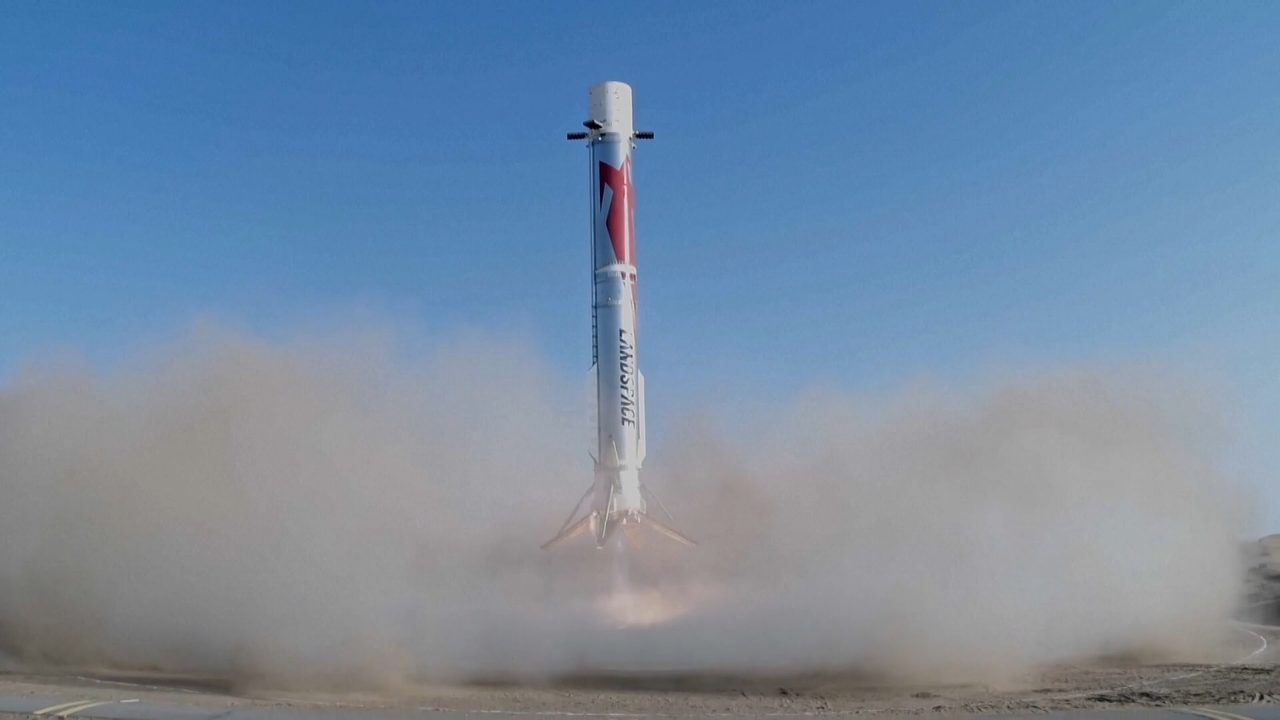
China has successfully landed the first stage of a reusable rocket on a ground pad for the first time in its history. The Zhuque-3 carrier rocket lifted off from a spaceport in the northwest of the country at 1:35 a.m. Czech time, and its nine-engine first stage returned to Earth and touched down at a landing site roughly 390 kilometres from the launch pad.
This marks China's second such achievement in just a few weeks: on July 10, the country tested the return of the first stage of its flagship Long March 10B rocket for the first time, when the booster landed on a floating platform at sea.
The US Still Leads the Field
Until now, only the United States — through the private companies SpaceX and Blue Origin — had managed to land reusable rockets both at sea and on land. Rocket reusability is a key technology for dramatically cutting the cost of space launches.
While the Long March series is developed by the state-owned corporation CASC, the Zhuque-3 project belongs to the private company LandSpace, which, according to Reuters, is preparing for an IPO — following in the footsteps of SpaceX itself.
The Launch-Rate Gap Remains Wide
LandSpace claims its rocket's first stage is designed for up to 20 reflights. That's notably fewer than SpaceX's Falcon 9, whose reuse limit has been raised to 40 flights — with one of Elon Musk's boosters already having completed 36 launches. Still, China hopes to repeat Zhuque-3's second mission within the next six months.
Source: seznamzpravy.cz