Cockroaches from the air conditioner and a 39-hour wait: Czechs stranded on Kos after plane breakdown
USD 21,28
Popular
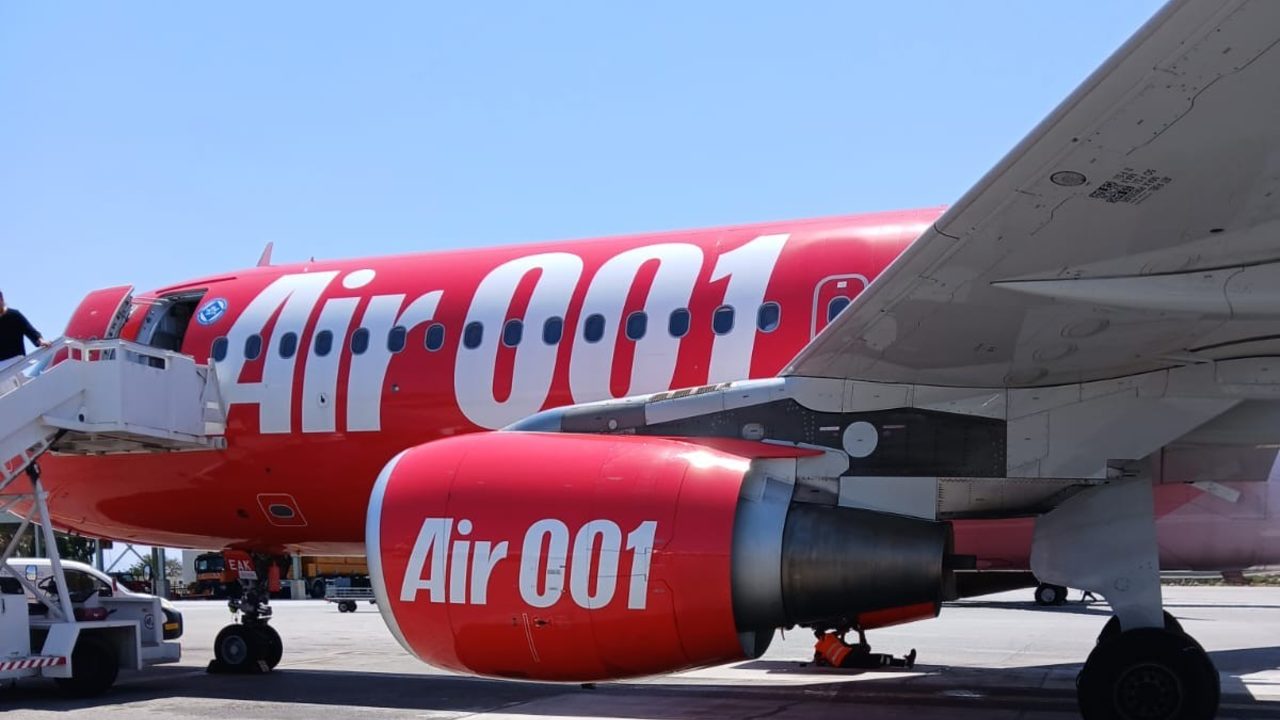
More than 160 Czech tourists flying home to Ostrava from the Greek island of Kos on 18 July were stranded at the airport for almost two days after a technical fault grounded their Electra Airways plane — and the hotel they were given instead turned out to be in an appalling state, with mould, insects, and cockroaches crawling out of the air conditioning.
According to accounts passengers shared with the newsroom, the trouble began right at the airport: people were already seated on board and the plane had taxied onto the runway when a smell of burning fuel filled the cabin. The aircraft was rolled back, and passengers were kept inside for about four and a half hours while technicians tried to fix the problem — at one point fire trucks even pulled up next to the plane with their lights flashing. Throughout the ordeal, passengers were offered nothing but water.
After the engine check failed, people were finally allowed back into the departure hall, where a representative of tour operator Čedok announced that the flight had been cancelled for the day and would only depart the following day.
The tourists were bused to a hotel for temporary accommodation, described by the group's tour guide as "five-star." Reality proved far less rosy: dirty rooms, a musty smell, mould, insects in the beds, and cockroaches dropping out of the air conditioning. The flight had originally been scheduled for 1:40 a.m. on Saturday, yet people weren't brought to the Kipriotis Village Resort until around 5:00 p.m. that same day.
Passengers tried to get Čedok to move them to a more decent hotel, but the tour guide, they say, refused to deal with the problem and told them to contact the Bulgarian airline Electra Airways directly. One tourist, Jakub Boček, said his family, travelling with a seven-month-old baby, simply couldn't stay in such unsanitary conditions: they found a neighbouring hotel with vacancies and paid roughly 10,000 crowns out of their own pocket for a room.
Following that family's lead, other guests abandoned the troubled hotel too — some found accommodation elsewhere, while others simply spent the night on leather sofas in the lobby rather than risk sleeping in rooms suspected of harbouring bedbugs, fleas, or lice. Some, however, were luckier and ended up with perfectly decent rooms. As the tourists understood it, they had been placed in an unused wing of the hotel, built to house just over 160 people at a time.
Those affected also pointed out that this isn't the first time the Bulgarian carrier has had technical troubles. According to them, this was already the third such incident in two weeks among Čedok's clients: on 9 July, passengers flying from Ostrava to Marsa Alam were delayed for 13 hours, and on the very day of their own ill-fated Kos flight, another group flying from Ostrava to Egypt waited seven hours for departure — precisely because they were expecting the same faulty aircraft, which never showed up.
"A company with such a good name — and it uses a carrier whose planes keep breaking down. It seems everyone just wants to save money," the tourists complained, now preparing formal complaints, compensation claims, and grievances over the guides' conduct. Čedok's hotline, they say, was unable to help during the crisis.
Čedok itself has acknowledged the incident as an unpleasant one. Edita Rendlová, the company's executive director of sales and marketing, said the firm sincerely regrets the difficulties clients faced on their way home from holiday. According to her, the cause was a technical fault in the aircraft that could not be fixed on-site at the destination, prompting the airline to send a replacement plane to Kos.
Rendlová stressed that throughout the emergency, the tour operator stayed in contact with clients via guides and text messages, relaying up-to-date information from the airline. She said the service provided to tourists followed established procedures: they were given snacks, temporary accommodation in a four-star hotel with transfers, and an extra night's stay until the replacement flight departed. As for financial compensation, the Čedok representative said this is governed by law and the airline's own terms, and that affected tourists can file a claim directly with the airline.
Source: novinky.cz