Colombian fighters are going to Ukraine to learn drone warfare — so they can use it back home
USD 21,04
Popular
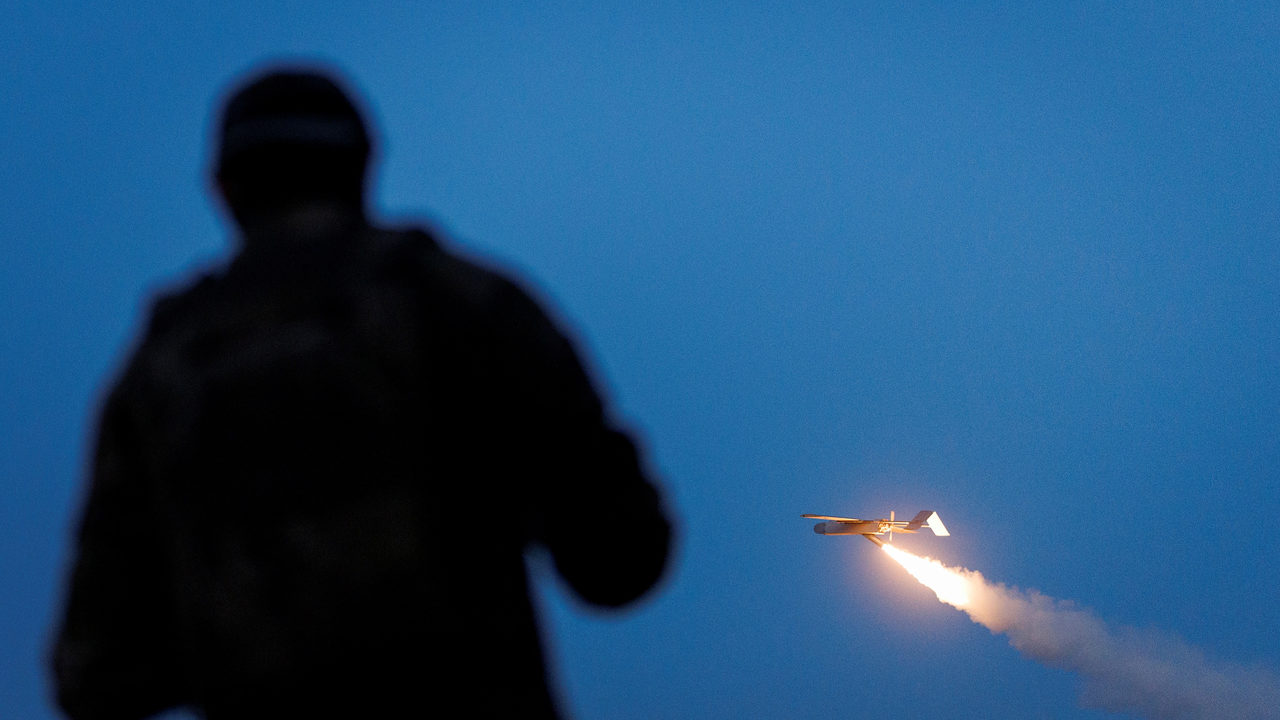
Colombian armed groups and drug cartels are sending their people to Ukraine to pick up experience in drone warfare, with the aim of putting it to use back home, the Financial Times reports. One Colombian volunteer on the front line noted that among his compatriots seeking to join the Ukrainian army are people linked to organised crime in Colombia.
Ukraine's centre for recruiting foreign volunteers confirmed that such individuals had been "sent home." However, according to the newspaper, this is far from an isolated case — Colombian armed groups and cartels are systematically trying to embed their members within the Ukrainian army in order to gain access to Ukraine's drone-warfare know-how and use it against the Colombian army.
"The recruitment scheme is very complex, but what worries me most is the level of specialisation they're gaining," a Colombian aid worker operating in Ukraine, who asked to remain anonymous, told the newspaper. According to him, former paramilitary fighters, former guerrillas and former soldiers are fighting side by side and learning to operate drones together.
From zero to 264 attacks in two years
Military drones have long been used in the conflict between the Colombian army and guerrilla groups and drug cartels, and they increasingly threaten ordinary civilians. The first civilian death from a drone strike in Colombia was recorded in 2024: a ten-year-old boy was killed and twelve others were wounded during a local football match.
A string of other incidents followed: an explosion at a temporary Médecins Sans Frontières hospital that injured medical staff, a police helicopter shot down with eight killed, a strike on a mayor's home, an attack on soldiers near the border with Ecuador that destroyed an army radar, and a shelling of a house that killed a mother and her two sons.
According to Colombia's Ministry of Defence, illegal armed groups carried out 264 drone attacks in 2024–2025 — mostly using cheap devices that drop explosives from above. As recently as 2023, no such cases had been recorded at all.
Colombia has been fighting guerrilla movements for more than half a century. Violence temporarily eased after the government's 2016 peace deal with the left-wing FARC organisation, but has intensified again in recent years, and the arrival of drones is pushing the conflict to a new level.
"The old guerrillas tried a thousand times to get missiles and never succeeded," former Colombian vice-president Humberto de la Calle told The Economist. According to him, drones represent a fundamentally different situation: for the first time, the country is having to fight strategically against attacks from the air.
Experts estimate that virtually every armed group in Colombia has now mastered drone technology. "It's a great example of how crime learns," Elizabeth Dickinson of the International Crisis Group told the American network NBC. She also pointed to direct inspiration drawn from the war on the other side of the world: "They see what's happening in Ukraine, this extraordinarily widespread use of drones, and they say to themselves, 'Hey, we can do that too.' Then one Colombian group starts, and it spreads like wildfire."
Outgoing Colombian Defence Minister Pedro Sánchez told the Financial Times that as recently as last year the army had "neutralised" 96% of drone attacks — mainly by jamming control frequencies or directly destroying the devices. However, experience gained in Europe could change that.
Quick to adapt, able to withstand harsh conditions
"So far [the guerrillas] don't know how to encrypt the link between drone and operator, or how to fit an explosive device the way it's done here in Ukraine," one Colombian operator fighting in the Zaporizhzhia region told the newspaper on condition of anonymity. These are exactly the skills that people connected to guerrilla groups arriving in Eastern Europe are after, he said.
In response, the Colombian government is investing in anti-drone defence and introducing restrictions on the import of certain new drone-related technologies.
Ukraine is not the only battlefield where Colombian volunteers are involved. Having lost opportunities to fight at home, many go abroad to fight for money worldwide. According to Ibero-Americanist Lukáš Perutka of the Institute of International Studies at the Faculty of Social Sciences of Charles University, Saudi Arabia previously hired Colombians to fight in Yemen, and many of them have served since a young age in the army, militias or the armed structures of drug cartels, knowing nothing else but how to fight.
Colombians have taken part in fighting in Haiti, Iraq and Sudan. According to the Financial Times, around 500 Colombian fighters have died over more than four years of war in Ukraine.
"Colombians are quick learners and adapters, and they can withstand tough service conditions. Commanders have noticed this — they really value these guys," Ukrainian recruiter Taras Palianytsia commented.
Read also: Savings accounts in the Czech Republic: bank rates for 2026
Source: seznamzpravy.cz