USD 21,08
Popular
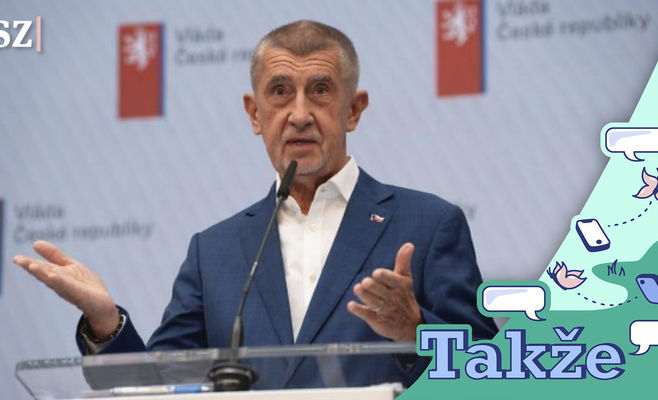
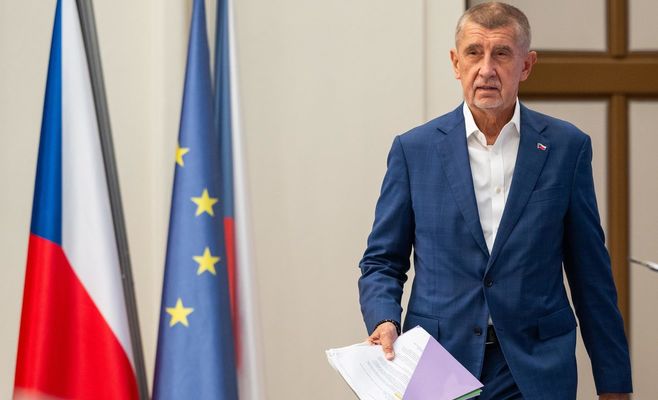
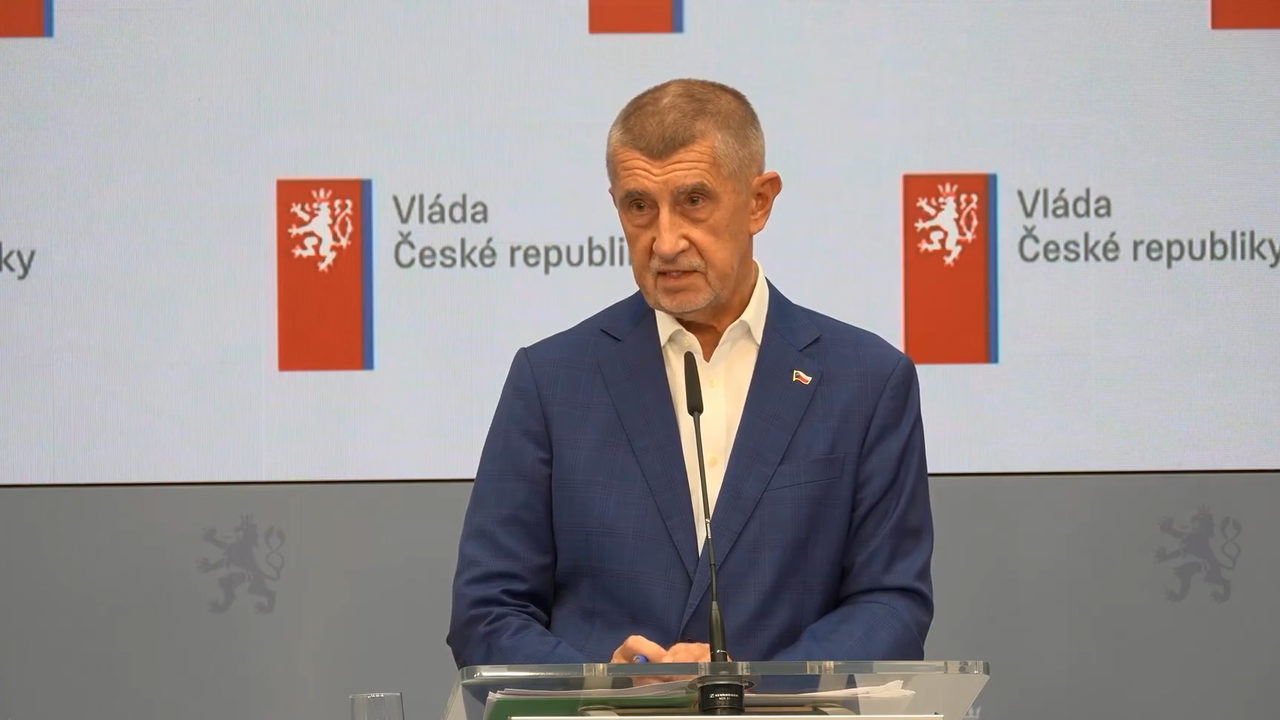
At the Czech government's latest press conference following a cabinet meeting, Prime Minister Andrej Babiš and Minister Dan Juchelka made sharp personal jabs at journalists covering the event. The incident took place live on television and, in the view of observers, marked a blatant breach of the norms governing conduct at the Government Office.
Responding to a question from a Deník N reporter, Babiš referred to his colleague Zdislav Pokorný as "Zdiša" — a condescending, mocking nickname. Minister Juchelka, for his part, told Seznam Zprávy reporter Zuzana Najvrtová that her outlet was engaged in "disgraceful journalistic work" and that she "should be ashamed to work for Seznam Zprávy."
Post-cabinet press conferences have traditionally served as a forum where the prime minister and ministers brief the public on the outcomes of the meeting, while journalists ask not only about the topics discussed but also about other current issues. The prime minister has repeatedly pledged to answer every question, and by and large this has held true — even when Babiš left before a conference ended due to a busy schedule, journalists were understanding about it.
The head of government regularly criticizes the media, sometimes quite harshly and not always sticking to the facts. Yet resorting to personal attacks goes far beyond what is acceptable. Ministers and journalists meet on an official state platform governed by clear, long-established rules: the government represents the executive branch, while in a democratic society the media hold power to account and point out its failings. This is not an informal chat in a bar with no rules attached.
The prime minister and ministers are obligated to do the job for which citizens pay them. Journalists, meanwhile, attend cabinet press conferences as guests who are also simply doing their job — conveying to readers, viewers and listeners information that matters to their lives. That Monday, for instance, the discussion centered on new car registration rules and changes to wind power construction regulations.
On that day, Babiš and Juchelka stepped outside their roles by resorting to personal attacks. Yet members of government wield political power, control the state apparatus and — thanks to the issues they handle — command public attention. Statements made by a prime minister or minister have a long afterlife: they spread across social media and show people that it's acceptable to talk about specific journalists this way. They also send a signal to these politicians' supporters that a particular journalist deserves distrust and ridicule. Online attacks following such remarks tend to become especially crude and aggressive — their authors sometimes even threaten journalists and their families with physical harm.
A few days ago, the European Commission published its annual Rule of Law report, which states plainly in the section on Czechia that "journalists continue to face serious verbal threats and harassment." The document cites 27 documented incidents recorded by the Media Freedom Rapid Response organization, most of them involving insults and attempts to delegitimize journalists, as well as threats of lawsuits from politicians.
The tone set at government press conferences directly affects public trust in state institutions and in the culture and quality of governance in the country. That is precisely why it is in the interest of Babiš and Minister Juchelka themselves to refrain from personal attacks on journalists at such events.
Source: novinky.cz