Court believes Prague lawyer Sukova: CZK 161 million went to debts
USD 22,01
Popular
The court has accepted 80-year-old lawyer Hana Sukova's account that the 161 million crowns she embezzled went to repay old debts rather than being hidden away. That is the conclusion of Judge Radek Mažík in his written verdict, which he completed in October. Sukova received a seven-year prison sentence in June for embezzling client money; the verdict is not yet final.
What the judge wrote
For at least fifteen years, Sukova took money from the accounts where lawyers hold client funds during real estate transactions. She secretly withdrew the money in cash and covered the shortfalls with newly arriving deposits. The scheme collapsed in 2022: there was nothing left to plug the holes, and Sukova ended up in pre-trial detention. Her daughter, trainee lawyer Pavla Marešová, was convicted alongside her and received five and a half years. Neither sentence is final yet, and the case will go to appeal.
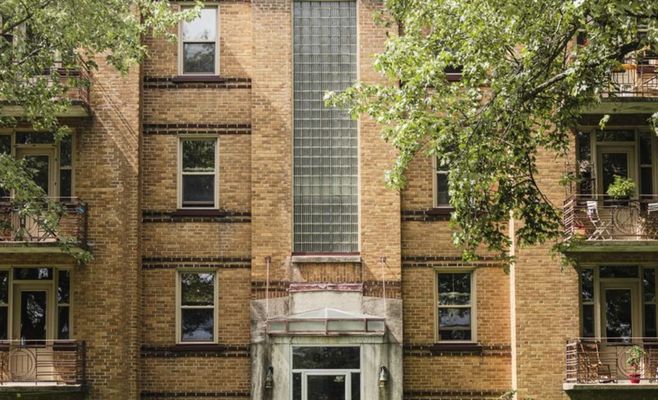
In the judge's view, the crimes, including fraud, were committed primarily to cover historically accumulated debt. Sukova claimed her money problems began early in her practice and that she later merely paid them off with new loans. By her account, running the office in a building in Prague 2 cost about 100,000 crowns a month, while she earned little: she only drew up contracts for real estate agency clients and handled escrow accounts, and never litigated. The judge noted that, because both defendants wanted to maintain their previous standard of living, their debts grew along with the criminal activity.
Moreover, as Sukova herself told the court, she had to pay creditors not only the principal but also fees and interest. She never named the creditors: police found several people who had lent her money, but next to the 161 million crowns in damage, the sums were small. The lawyer said she fears for her life. During a search, investigators found her handwritten notes mentioning 150 million: an approximate figure for her debt.
Cryptocurrencies, an invention and secrets
Investigators established that Sukova put about 400,000 crowns into cryptocurrencies through a not especially reliable person. She also pinned her hopes on an unnamed invention, supposedly an inexhaustible source of cheap energy. According to police, none of the 161 million went into that project. The only notable assets found with the mother and daughter were a cottage in the Krkonoše mountains and some cars.
There are dozens of victims. After the scheme collapsed, Sukova could not return the sums she held, and many were left with nothing: they never received their money, and the apartments they had sold already belonged to new owners. Clients were also repeatedly outraged by the lawyer's words in court. Before the verdict, she turned to the courtroom and said the victims should not think she had enjoyed life on their money. By saying she was 80 and would be fed at the state's expense in prison, she seemed, in the clients' words, to be mocking them: the sum at stake was 17 million.
Failures by police and the Chamber
As early as 2017, the Financial Analytical Office filed a complaint about Sukova with the police, backed by specific transfers. The case went to police commissioner Jiří Kuttelvašer, who formally opened a review in May 2018 but, according to the outlet, did practically nothing. Prosecutors the year before last acknowledged this as a serious mistake.
The Office also warned the Czech Bar Association, which has the right to inspect deposited funds. Yet its inspectors found no violations twice: according to the Association, Sukova presented forged bank statements, and the indictment confirms this. This year, police concluded that none of the inspectors or the Association's leadership had made an error.
Last year, the victims sent investigators their own tips, including about a company belonging to a relative of Sukova, which increased its registered capital by 23 million shortly before her arrest, and about relatives' real estate. According to Zuzana Rejne, who represents the victims, the indictment shows that police checked none of this.
Around Prague, based on reporting by seznamzpravy.cz