USD 21,08
Popular
Cuba's healthcare system, once considered one of the best in Latin America, is now facing its most severe crisis yet — one that has sharply worsened this year due to the US oil embargo. According to the Cuban news portal CiberCuba, daily power outages, often accompanied by water shortages, are paralyzing hospitals where more than 100,000 patients are currently waiting for surgery.
The island is also seeing a rise in chikungunya fever cases, spread by mosquitoes breeding in the piles of garbage that litter the streets — trash that can't be collected because of fuel shortages. Cuban journalist Yoani Sánchez, who developed symptoms of the fever this week, said she chose not to go to a hospital: according to her, crowds of people with the same symptoms are already there, and medical staff lack both testing capabilities and syringes for blood draws. Power outages have also knocked out hospital elevators, she said, making it nearly impossible to reach a 14th-floor ward while feeling so ill. Her home medicine cabinet was empty save for two metamizole tablets, and she had to borrow a thermometer from her neighbors.
Hospitals and pharmacies themselves are running dangerously low on supplies, with shelves nearly bare. According to CiberCuba, as of April this year, Cuba was missing about 70% of the medications on its basic essential drugs list, and surveys suggest only around 5% of Cubans are able to obtain the medicine they need without major difficulty. Drug production, like nearly everything else in the country, has been crippled by hours-long daily blackouts.
Cuba's Health Minister José Ángel Portal admitted back in February that the healthcare system was on the verge of collapse, blaming the crisis on the US oil embargo. Eduardo Martínez Díaz, deputy head of Cuba's communist government, called the American sanctions nothing short of genocide, saying factories are standing idle without fuel and that he can describe the blockade in no other terms.
The opposition, however, links Cuba's years-long healthcare decline to the mass emigration of doctors, endemic corruption, and chronic underfunding of medical infrastructure. Infant mortality in Cuba has climbed from 0.4% in 2018 to nearly 1% in 2025, and earlier this year in Havana it reached 1.4% — the highest rate the Cuban capital has seen in more than two decades.
The country is also grappling with a demographic crisis: just 68,051 babies were born last year, roughly 3,100 fewer than the year before. Birth rates have been declining for years, and about 26% of the island's population is now over 60. According to the news agency EFE, emigration has driven Cuba's population down from around 11.2 million in 2017 to 9.4 million by the end of last year, with roughly a quarter of a million people leaving the country in 2025 alone.
Cuba's economic crisis has been deepened by US sanctions tightened under President Donald Trump. In January this year, he ordered a halt to Venezuelan oil shipments to Cuba following the US military's detention of Venezuela's authoritarian president, Nicolás Maduro. At the same time, Trump signed an order imposing tariffs on any country that continues supplying oil to the island.
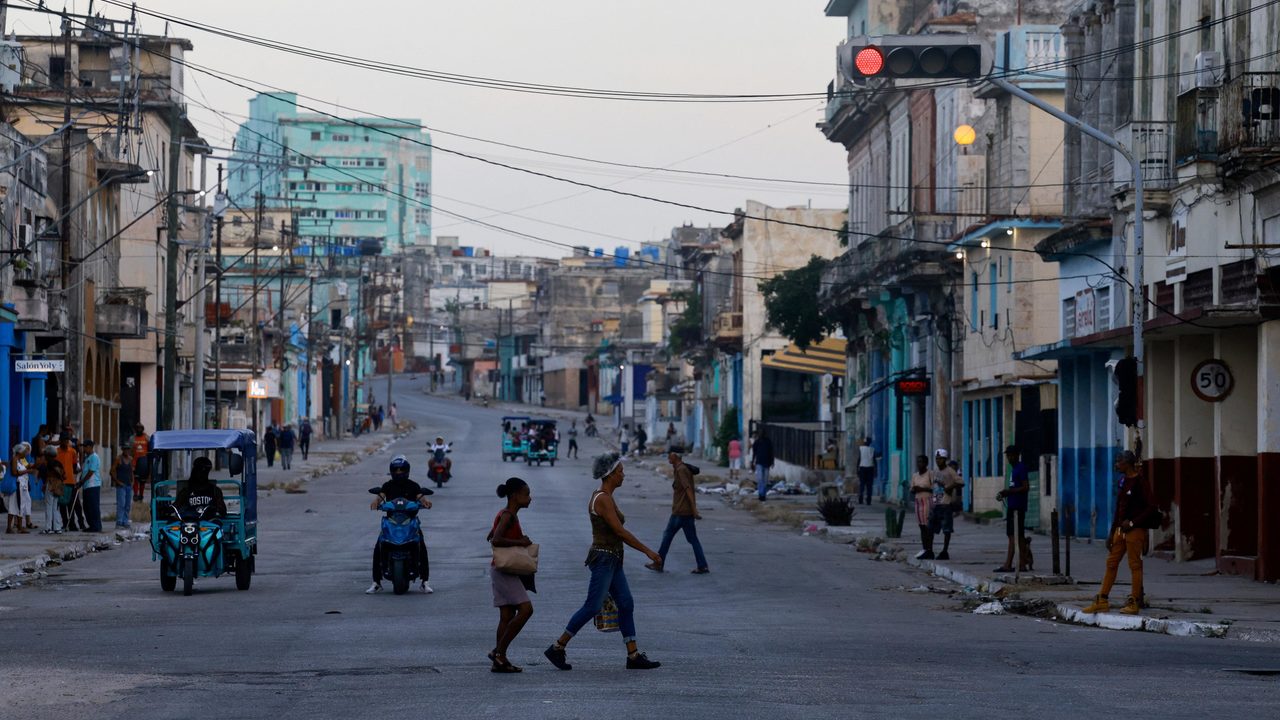
Two-thirds of Cuba's electricity consumption relied on imported fuel — mostly from Mexico and Venezuela until last year. Fuel shortages now affect everything from stocking store shelves to garbage collection and getting people to work. Cubans are finding unconventional workarounds: some are converting cars to run on charcoal, while in Havana, according to CNN, solar-powered taxis have already started appearing on the streets.
Source: seznamzpravy.cz