Czech epidemiologist warns: the world is just one step away from a new global pandemic
USD 21,04
Popular
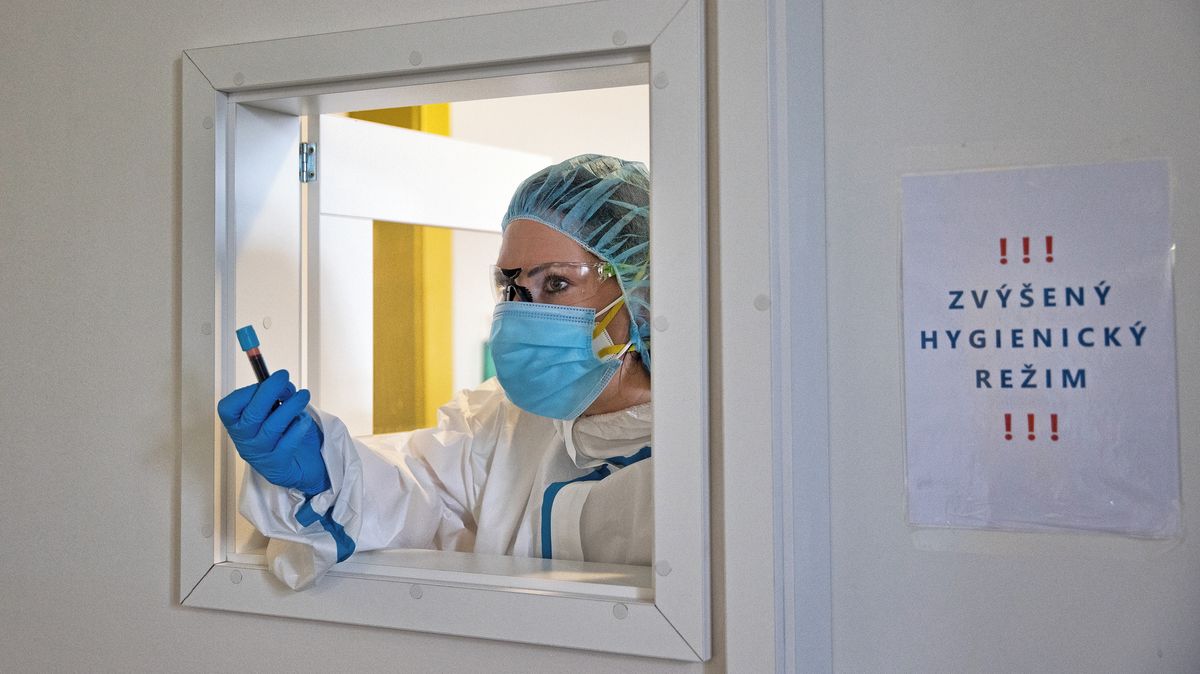
Rastislav Madar, dean of the Faculty of Medicine at the University of Ostrava and an epidemiologist, has warned that the world is not far at all from a new global pandemic. As an example, he pointed to April's hantavirus outbreak on a Dutch cruise ship, when passengers began dying from an unknown illness.
According to him, what saved the day back then was sheer luck, not the world's readiness to deal with new infections. "Nobody stopped the infected passengers from boarding planes and flying off around the world. That's exactly how pandemics start," the epidemiologist explains.
A person died aboard the ship, and, not knowing what infection was spreading, several passengers panicked and disembarked on the island of Saint Helena — including a woman showing symptoms who later died. On its own, this wouldn't have been too alarming, since the island is isolated in the Atlantic Ocean. But nothing stopped the infected passengers from boarding flights and scattering across the globe.
The pathogen in question was the South American Andes strain of hantavirus, which can spread from person to person, but only over short distances and not very efficiently. According to Madar, had it been a different respiratory pathogen — say, a new coronavirus or an unknown flu strain — the situation could have turned out far more serious.
The epidemiologist notes that viruses are constantly mutating, and at any moment a new strain could jump into the human population — possibly this is already happening right now, simply nobody knows about it yet. He warns that the next pandemic could turn out to be considerably more severe and arrive much sooner than commonly assumed.
According to Madar's forecast, a future pandemic will almost certainly be caused by a virus of animal origin that mutates easily and spreads through airborne droplets over a distance of about two meters. The most likely candidates are a new flu strain with a different antigen or yet another type of coronavirus.
Speaking about Czechia's level of preparedness, the epidemiologist noted that the country has learned lessons from the COVID-19 pandemic: healthcare systems are now better interconnected, data from primary care physicians is automatically fed into shared databases, and wastewater monitoring allows disease spread to be tracked without relying on people's willingness to get tested.
Nevertheless, he says, the country still lacks quality crisis communication with the public. During the last pandemic, Czechia ranked among the worst countries in the world in terms of mortality rate — largely due to public distrust of official information and growing social polarization.
Madar also points to low health literacy among the population — according to his data, up to 60% of adult Czechs lack sufficient knowledge about health, and significant disparities in illness and mortality rates persist between regions of the country. In his view, solving these problems requires a large-scale reform of public health authorities — the biggest in decades — which would merge sanitary institutions and the National Institute of Public Health into a single body reporting directly to the government rather than solely to the Ministry of Health.
Read also: Prague Metro: map and tickets
Source: seznamzpravy.cz