Czech Government Wants to Clear Decaying Wood from Forests and National Parks — Environmentalists Cry Foul
USD 21,23
Popular
The Czech government is preparing changes that would make it easier to remove decaying (smouldering) deadwood from forests, including areas within national parks. The official justification is fire prevention, but environmental experts argue this is merely cover for the interests of logging companies and a fading coal industry.
According to Deník N, the initiative comes from coalition MPs and Environment Minister Petr Hladík of the Motoristé sobě (Motorists for Themselves) party. The changes are expected to be pushed through as a parliamentary bill — meaning they would bypass the standard legislative process, which normally includes public consultation and expert review.
Environmentalist Filip Holub, author of the column in question, points to the Czech Interior Ministry's own methodology for assessing forest fire risk. According to this framework, the greatest danger comes from pine forests on dry sites with parched undergrowth and highly flammable resin — as was the case in the 2012 fire near the town of Bzenec, which destroyed 174 hectares of forest. Deciduous forests, by contrast, are far less fire-prone. Clear-cut areas and young stands under 10 years old also carry elevated risk, whereas species-rich, multi-layered forests burn least often of all.
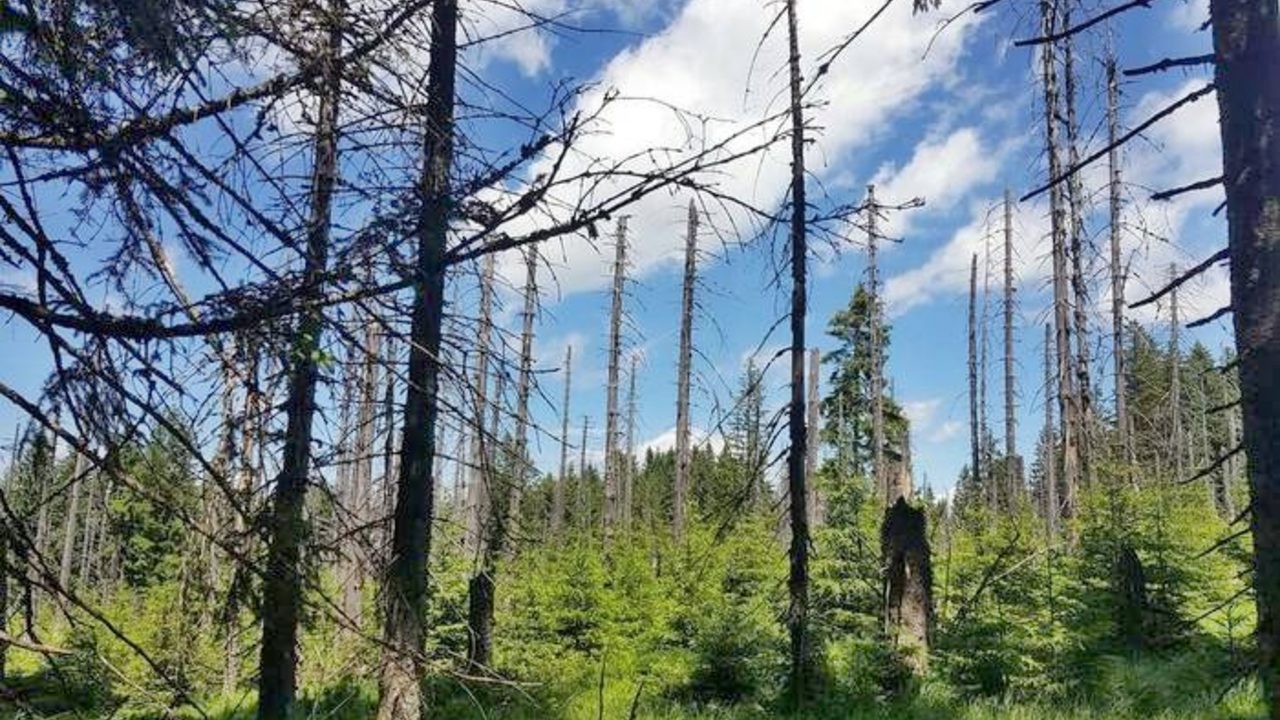
The key argument against removing decaying wood lies in basic fire physics. The longer wood lies on the forest floor decomposing under the action of fungi and microorganisms, the less likely it is to ignite — it loses moisture far more slowly than the dry twigs and grass that actually act as the "match" sparking forest fires. If decomposing trunks are additionally shaded by young undergrowth, the risk of ignition drops even further.
Holub stresses that decaying wood is not simply potential fuel — it is a vital component of forest ecosystems. It serves as a substrate for forest regeneration, supports biodiversity, acts as a moisture reservoir during droughts, enriches the soil with nutrients, and locks away carbon for years. Amid the climate crisis, its ability to retain water in the forest is cited as one of its greatest benefits.
The main cause of most forest fires in Czechia, the author notes, remains human activity — fires are most often recorded on weekends, when more people are in the woods, and during dry, windy weather, which is becoming more frequent due to climate change. As an example, he cites the fire in Bohemian Switzerland National Park: calculations suggest that even if the area had been a bare clear-cut following bark-beetle die-off, rather than left with decaying deadwood, the fire would have spread faster and covered a larger area — though it would have burned for a shorter time. The 2022 blaze is believed to have been started deliberately and fuelled by drought and wind, not by the presence of trunks left to decompose.
Critics of the initiative point to an inherent contradiction: the very same Environment Ministry is simultaneously drafting a National Nature Restoration Plan that sets the opposite goal — increasing the share of decaying wood in forests to boost biodiversity and carbon storage.
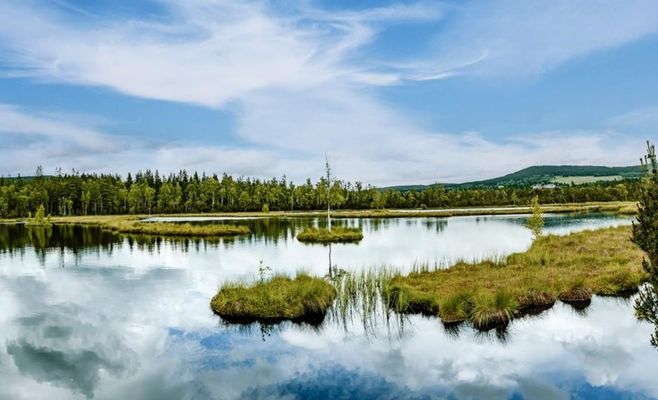
According to the column's author, the real winners from such logging would not be forest owners but companies that turn the wood into wood chips for burning at power and heating plants — in other words, logging firms and a coal-power sector losing ground amid the broader shift away from coal. Particularly worrying is the prospect that such felling could extend into national parks — for example, Šumava National Park, where much of the wood killed by bark beetles has already been overgrown by young trees, and its removal would inevitably damage this new growth.
Source: ekolist.cz