Czech Health Ministry Urges Donors to Give Blood Urgently as Supplies Hit Critical Levels
USD 20,94
Popular
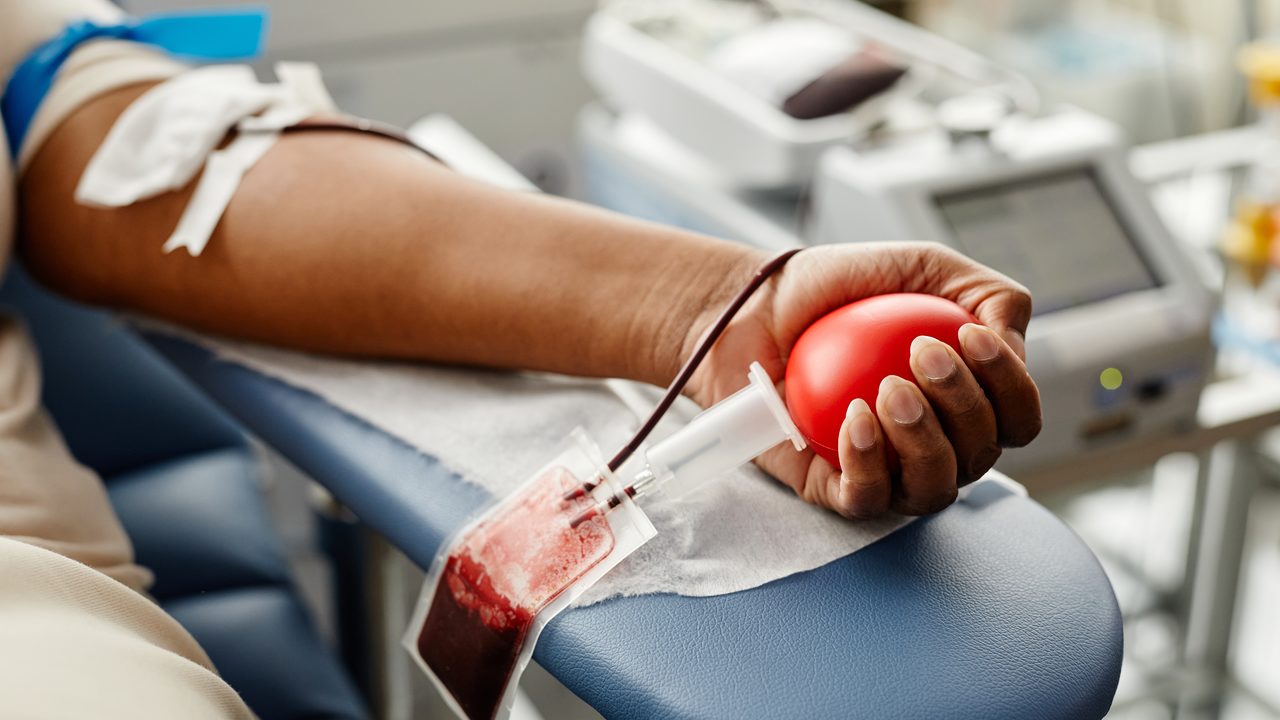
The Czech Ministry of Health has issued an urgent appeal to regular and first-time blood donors, asking them to donate blood in the coming days. Blood supplies at Czech hospitals have dropped sharply over the summer, and at some transfusion stations the situation has reached a critical point. The ministry announced this on Friday evening.
According to the ministry, the number of donors traditionally falls during the summer as people go on holiday and travel, while hospitals' need for blood actually increases — on top of surgeries, childbirth and the treatment of seriously ill patients, there is also a rise in injuries and road accidents.
Where the situation is most severe
Critically low reserves have been recorded at several major Prague hospitals as well as at the University Hospital in Ostrava. The main cause is the seasonal drop in donor numbers linked to summer holidays.
"This is no longer a matter of shortages of individual blood types. Supplies have fallen significantly in many places and need to be replenished as quickly as possible. I'm appealing to all healthy people who are able to donate blood: if you can, please visit your local blood transfusion centre in the coming days," said Health Minister Adam Vojtěch (ANO movement). According to him, a single blood donation can save up to three lives.
The situation varies by region: in some areas supplies are adequate, while in others they are at the lower limit or specific blood types are running short. Besides whole blood, there is also a shortage of other components — for instance, Prague's Institute for Clinical and Experimental Medicine (IKEM) is short of platelet donors, regardless of blood type.
The ministry recommends checking the website or social media of your nearest transfusion station before visiting, as hospitals regularly post up-to-date information on stock levels and which blood types are most needed.
Who needs blood every single day
Hospitals need blood every day — not only for emergencies, but also for the long-term treatment of patients who depend on regular transfusions, for example those suffering from serious diseases that impair blood production.
The need for blood is especially critical in cases of complicated childbirth. "During complicated deliveries, a situation can arise where a woman loses a large amount of blood in a very short time, and a transfusion is essential to save her life. Without donors, in some cases we would not be able to help either women after childbirth or certain newborns," said Ladislav Krofta, director of the Institute for the Care of Mother and Child in Prague's Podolí district.
The number of blood donors in Czechia is declining: last year 348,000 people donated blood, compared with 362,000 the year before. Elderly donors have to be excluded from donation centres due to age limits, while there aren't enough young people willing to take their place. Adults up to the age of 65 weighing more than 50 kilograms are eligible to donate; restrictions also apply to those who have recently visited countries where infectious diseases are widespread. Donation is unpaid, but donors are entitled to a day off work on the day of donation, and insurance companies offer additional perks.
Source: seznamzpravy.cz