Czech Kindergartens Sweltering in the Heat: Teachers Demand a Clear Action Plan from the Education Ministry
USD 21,22
Popular
The Teachers' Platform — a professional association of Czech educators — has called on the state and school founders to develop a unified standard for how kindergartens and schools should operate during periods of extreme heat. According to the organisation, overheated classrooms, exhausted children and teachers improvising on the spot have long stopped being the exception and have become an annual summer headache for Czech education.
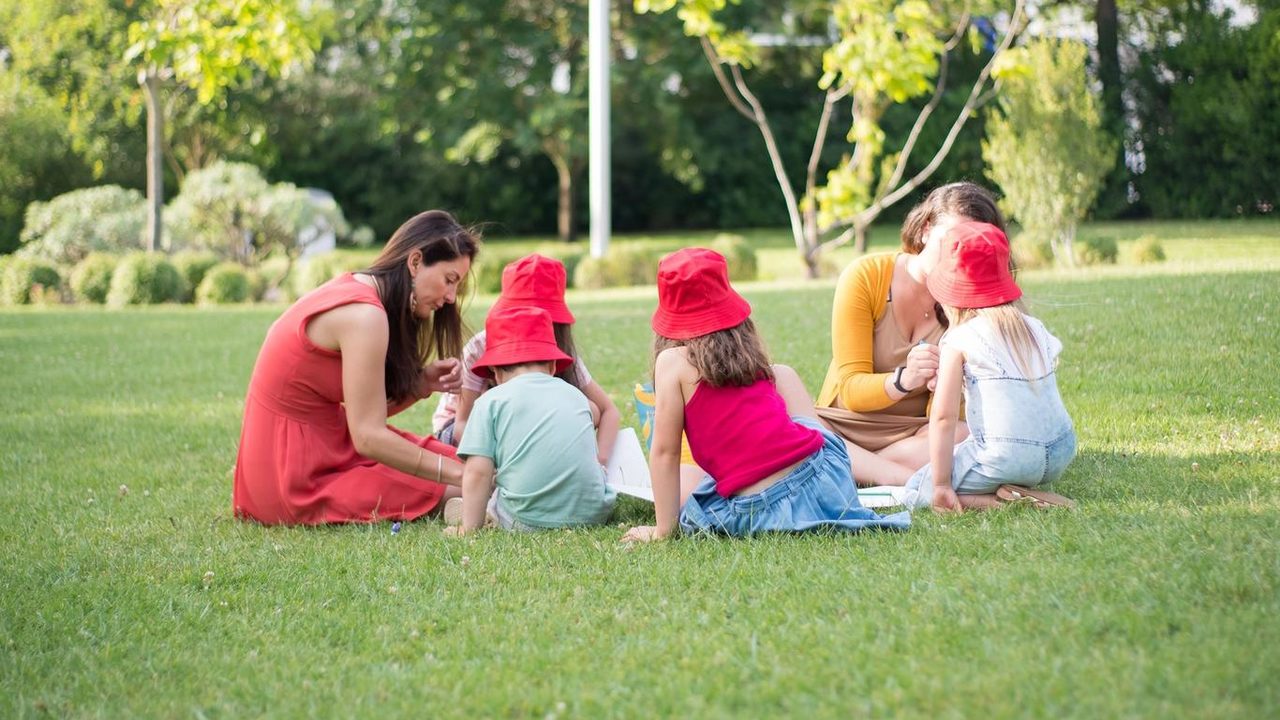
Unlike schools, kindergartens remain open throughout July and often until late evening — sometimes as late as 5 p.m., even on the hottest days. "When it's hot, I try to spend as much time outdoors with the children as possible. We take them out already for the morning snack and only come back inside around lunchtime," said Nikola, a kindergarten teacher. She noted that children constantly need to be reminded to drink water or rest in the shade on a blanket, while blinds in the classrooms are drawn from early morning — though it barely helps, since the rooms are fully glazed.
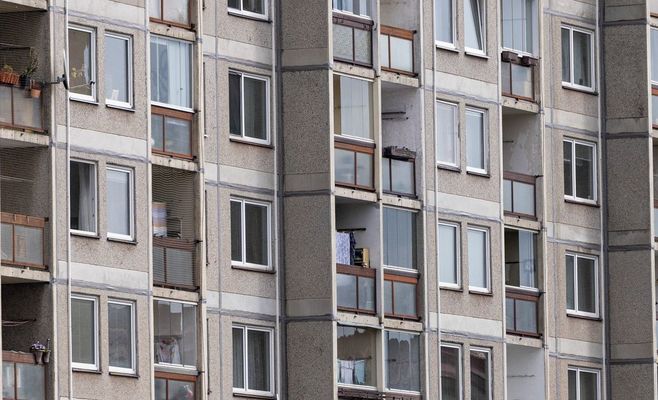
Teachers' Platform chairman Michal Kaderka told reporters that older kindergarten and school buildings simply weren't designed for today's climate. "Climate change is here, and the heat is getting worse. Yet we act as if nothing is happening. During heatwaves, old buildings become practically unfit for use and fail to meet the legal limit of 28 degrees," he stressed.
Kaderka pointed to what he sees as an inconsistency in the current approach: if a heating system or boiler breaks down in winter, schools declare the equivalent of the old "coal holidays" — yet when it comes to heat, no one dares to suspend or limit operations. He noted that many parents treat kindergarten as a kind of "storage room" for their child during working hours, leaving kids there even when staff warn that conditions inside are unbearable.
The Teachers' Platform is demanding that the Ministry of Education recognise extreme heat as a long-term issue rather than a one-off problem, and that it develop a clear protocol: what to do in buildings equipped with air conditioning and shading, and what to do in those without — including provisions to limit operations if temperatures exceed the legal threshold of 28 degrees. Ordinary schools are increasingly facing similar difficulties too, as heatwaves now arrive as early as late May, while the school year is still in full swing.
"This isn't about luxury — it's about basic conditions for safe and dignified work," said platform board member and school director in Žďár Josef Halama. He pointed out that overheated classrooms aren't just an issue for the learning process, but also a health and safety concern for staff who spend entire days working in such conditions.
According to guidelines from the regional hygiene station in Ústí nad Labem, institutions should measure both outdoor shade temperature and indoor temperature, reduce heat exposure for children, ensure access to cooler areas, and step up drinking water provisions. "Children cannot remain in rooms where the temperature exceeds 28 degrees," the hygiene authority emphasises.
Ministry of Education spokesman Ondřej Macura responded by saying that responsibility for school conditions and facilities lies with their founders — municipalities and city districts in the case of kindergartens and schools, and regional authorities for secondary institutions. It is these bodies that receive funding for equipment and take local circumstances into account when deciding on air conditioning or shading systems. The ministry, he said, has no authority over the technical condition of buildings or specific investment decisions — that falls under the founders' remit, while the ministry's role is limited to setting legislative and methodological frameworks.
At the same time, Macura stressed that a kindergarten cannot simply shut down because of the heat — according to the ministry's position, institutions are only required to adapt conditions so that classes can continue. During heatwaves, schools typically cut back on physical education, move lessons into shaded or cooler spaces, shorten outdoor walks, and increase water breaks.
Temperature limits for educational institutions are set out in Ministry of Health Decree No. 160/2024. The document establishes a maximum permissible classroom temperature of 28°C and stipulates that when outdoor shade temperatures exceed 30°C, institutions must reduce children's heat exposure — primarily by keeping them in cooler rooms and stepping up drinking water provisions.
Source: denik.cz