Czech Online Stores Sound the Alarm: Customers Increasingly Fail to Collect Cash-on-Delivery Orders
USD 21,01
Popular
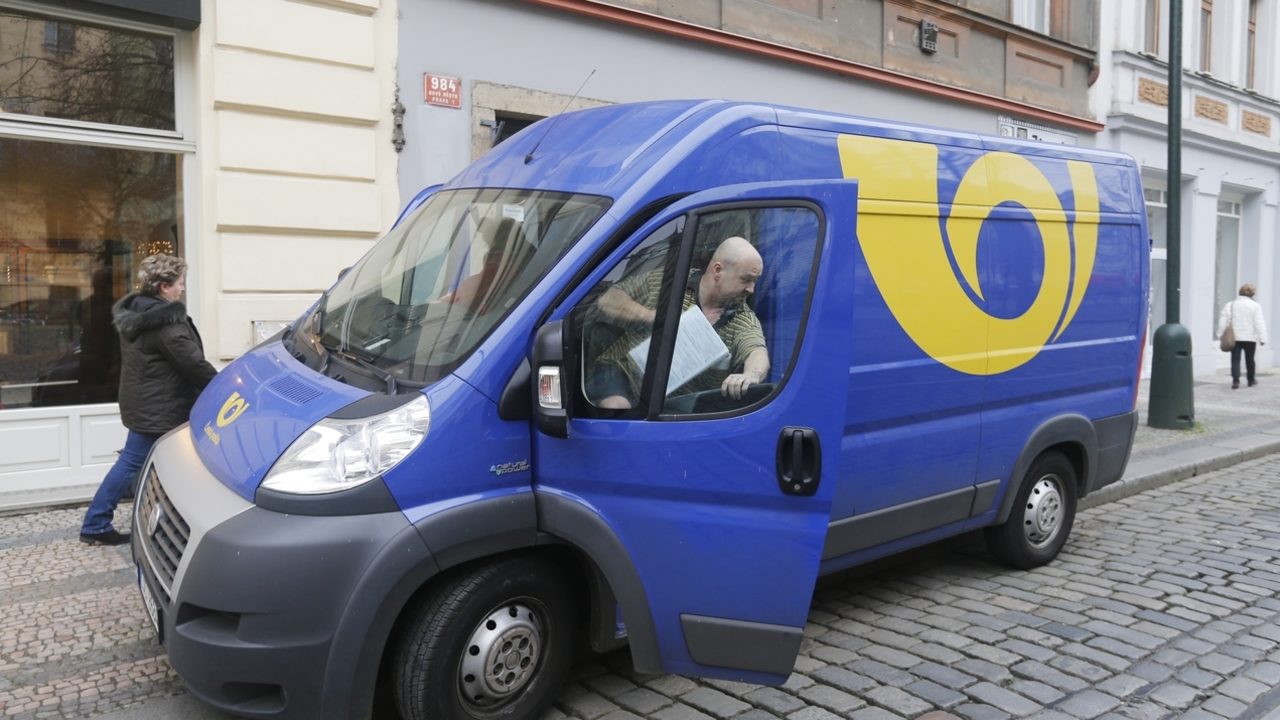
Czech online stores are facing a growing number of uncollected cash-on-delivery orders and have started raising the fee for this payment method to discourage customers from using it. This was confirmed by representatives of several major online retailers, including ready-meal producer Živina, cosmetics seller Vivantis, and the Czech Republic's largest e-shop, Alza.cz.
"This year we raised the cash-on-delivery fee to 49 crowns. The reason is simple — it's the most expensive and riskiest payment method for us. Orders paid for on delivery have a much higher share of unclaimed parcels than prepaid ones," said Martin Kudera, director of Živina. According to him, the company isn't trying to profit from the higher fee but rather wants to encourage customers to pay by card or bank transfer in advance. Still, the store isn't ready to abandon cash-on-delivery entirely, since it remains popular among elderly customers.
Perishable Goods and Abandoned Parcels
For Živina, the issue is especially painful given the nature of its products: the company sells chilled fermented foods such as kimchi, kombucha, and sauces. If a parcel is returned, it spends several days in transit without proper temperature control, meaning the goods often can't be resold. The store then loses not only the delivery cost but also the value of the product itself.
Vivantis operations director Patrik Šťastný described another common trick used by customers: some order the same item cash-on-delivery from several online stores at once, and only pick up whichever parcel arrives first. The rest simply go uncollected.
Every unclaimed parcel means costs for shipping both ways, processing, restocking, and administration. According to Šťastný, delivery alone costs roughly 40–60 crowns before tax, and with a high number of refusals, the store's expenses add up quickly. At Vivantis, cash-on-delivery accounts for about a fifth of all shipped orders, with the rest of customers paying by card in advance.
The Share of Cash-on-Delivery Orders Is Shrinking, but the Problem Persists
According to the Shoptet platform, more than half of all orders placed with Czech online stores were paid cash-on-delivery back in 2014; this year, that figure has dropped to less than a quarter. Still, the problem remains significant even for major players: at Alza.cz, according to company representative Eliška Čerovská, unclaimed cash-on-delivery orders make up only a few percent of all shipped parcels — but in absolute numbers, that amounts to tens of thousands of cases every year.
The Czech E-commerce Association doesn't have consolidated statistics for the entire sector. Its executive director, Jan Vetyška, pointed out that placing an order constitutes a purchase agreement, and refusing to collect a parcel doesn't automatically cancel that agreement. In theory, a seller could demand compensation for storage costs, though in practice this rarely happens. Some online stores have already begun imposing fines of several hundred crowns for uncollected orders.
To avoid any potential penalties, customers simply need to send the seller a notice of withdrawal from the contract — this can be done even before the parcel arrives. Starting next year, online stores will be required to provide a dedicated button on their websites for this purpose.
Meanwhile, some customers point to the opposite problem: with certain combinations of parcel lockers and delivery services, cash-on-delivery orders require online payment before the parcel is released, rather than a simple card payment on the spot — making it difficult or even impossible to actually pay cash-on-delivery.
Source: novinky.cz