Czech Rivers Are Running Dry: Water Levels Worse Than During the 2018 Drought
USD 20,94
Popular
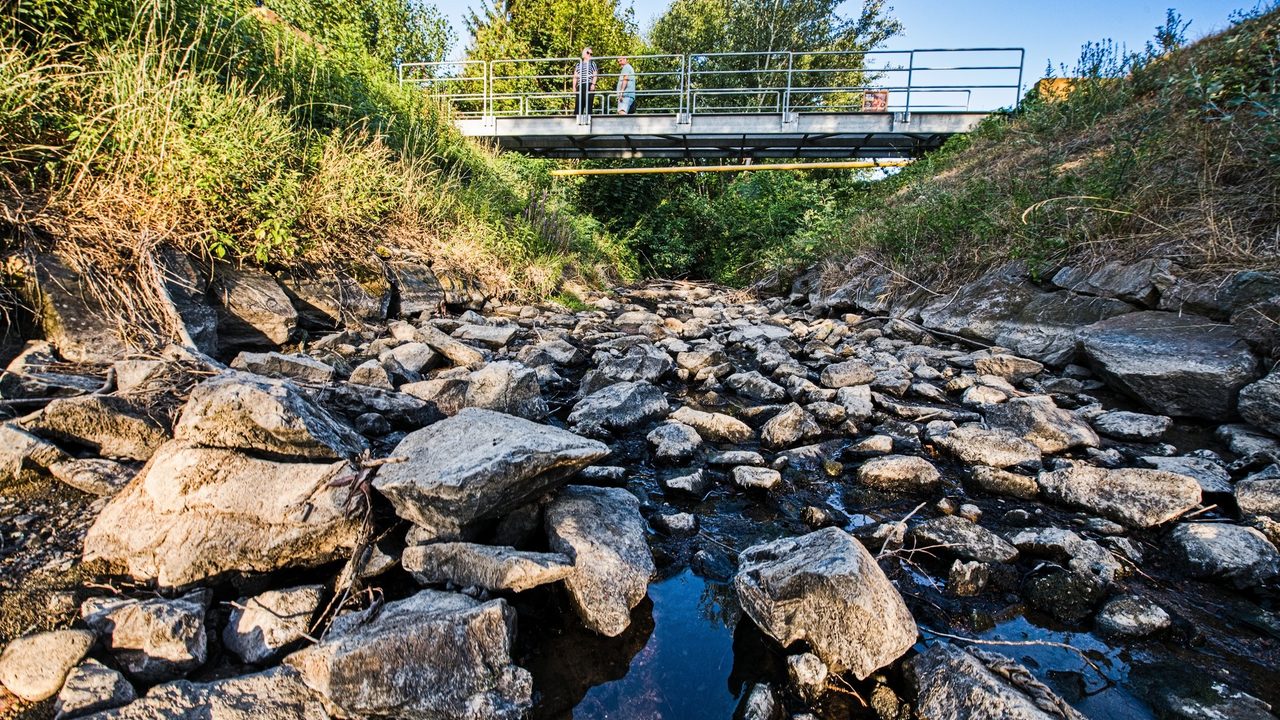
The Czech Hydrometeorological Institute (ČHMÚ) has reported critically low water levels in rivers across the country, with average daily flow in some locations amounting to just 0-3% of the long-term August norm for 1991-2020. According to the institute, signs of drought have now been recorded at roughly 330 monitoring points.
“This is an absolutely critical state. In a large river, water may only be flowing through a narrow channel, with everything around it completely dried out,” explains hydrologist Martin Pecha of ČHMÚ. He notes that current nationwide figures are, on average, lower than during the severe drought of 2018. The situation is worse than back then in southern and central Moravia, southern Vysočina, southern and southwestern Bohemia, as well as in the lower basins of the Elbe, lower Ohře and Ploučnice rivers.
Dams Are Easing the Situation
On some rivers, reservoirs are cushioning the impact of the water shortage. The Vltava Cascade, for instance, is maintaining a flow of 40 cubic meters per second below the Vrané dam. Without the water released primarily from the Orlík reservoir, the Vltava’s flow in Prague would currently be only 10-15 cubic meters per second.
Due to low inflow, the water level at Orlík is dropping by about a meter per week. Once it reaches a set threshold, releases from this reservoir will be paused, and the required flow will instead be maintained using the Slapy reservoir. According to the Vltava River Basin Authority, this is expected to happen in early September.
The Nové Mlýny reservoir in southern Moravia serves a similar purpose, boosting the flow of the Dyje River. The Morava River Basin Authority was already releasing the maximum volume of water permitted under the regulations back in July, given the water level and low inflow at the time.
Fish and Ecosystems at Risk
River flow is also crucial for water quality: when flow is low, water heats up more quickly and its oxygen content drops, worsening conditions for fish and other river life. Combined with blue-green algae blooms, this can lead to fish die-offs or the need to relocate fish populations.
According to hydrologist Martin Pecha, turning the situation around quickly would require several days of heavy, widespread rain. A more realistic scenario for improvement involves two to three months of above-average precipitation, followed by a winter with sufficient rain and snow.
The cooler weather and rainfall expected early next week may bring temporary relief, but according to the expert, they are unlikely to offset the long-term water deficit.
Read also: 8 best places for a swim near Prague: lakes, quarries, and beaches within an hour of the city
Source: seznamzpravy.cz