Czech Rivers Running Dry: Water Levels in the Elbe and Morava Hit Record Lows
USD 21,00
Popular
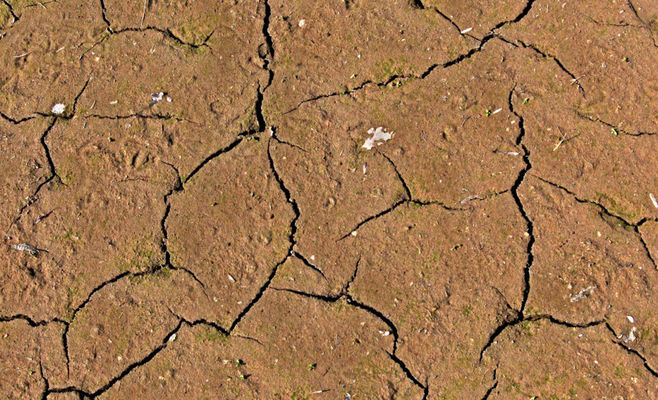
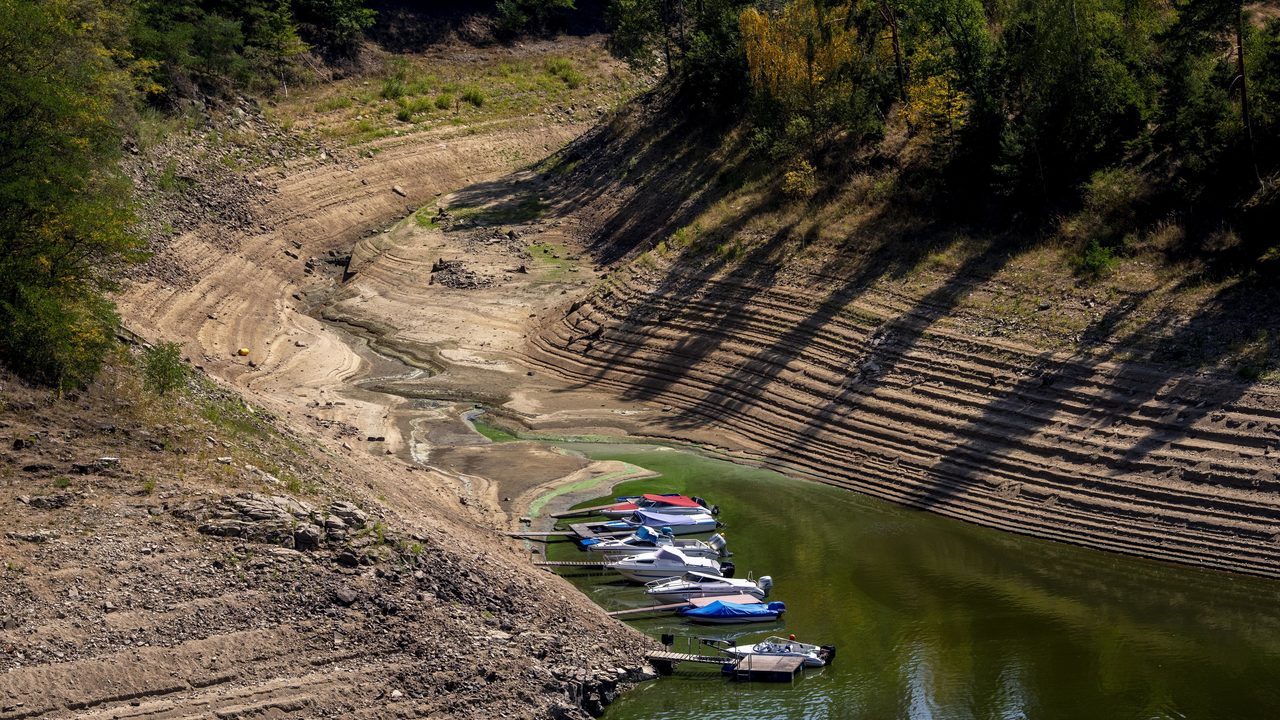
Czechia is in the grip of a worsening hydrological drought: according to the Czech Hydrometeorological Institute, almost all monitored watercourses in the country are running below-average flow rates, with most at extremely low levels — often the lowest ever recorded. In many places, the smallest streams have simply dried up completely.
The problem isn't limited to small rivers — even Czechia's biggest waterways are suffering. Water levels in the Elbe (Labe) are among the lowest ever measured, exposing the so-called "hunger stones" that lie on the riverbed — the most famous of which is in Děčín. On the Morava River near Olomouc, flow rates have hit a historic low for early August, with less water than during the severe drought of 1921. Thanks to its reservoir system, the Vltava is faring somewhat better, though even there — in České Budějovice, for instance — levels are also at record lows.
Groundwater Running Low Too
The shortage extends underground as well. Most shallow wells are showing extremely low levels, and even deep wells are frequently running dry — a sign of a long-term drought problem. As a result, a hydrological drought warning is now in effect across almost the entire country.
Just how scarce water has become is clear from the river navigability map for water sports on raft.cz: paddling is currently only possible on the lower reaches of the Ohře and Berounka, along with the year-round navigable stretches of the Elbe, Vltava and Morava — nearly every other stretch is unsuitable for rafting or kayaking.
No Relief in Sight
Forecasters say the situation is unlikely to improve over the coming week: little to no rainfall is expected, while temperatures are set to climb above 35°C again, accelerating moisture evaporation from the soil. More substantial rain could arrive in the second half of August, though forecasts for that period still vary.
The drought isn't confined to Czechia — it has gripped much of Europe, with historically low water levels also recorded on the Danube, Rhine and Vistula. Experts point to a combination of factors behind this summer's intense continent-wide drought: a lack of rainfall and abnormally high temperatures, since the hotter it gets, the faster moisture evaporates from the soil.
Source: novinky.cz