Czech scientists propose turning used toner into fuel
USD 21,04
Popular
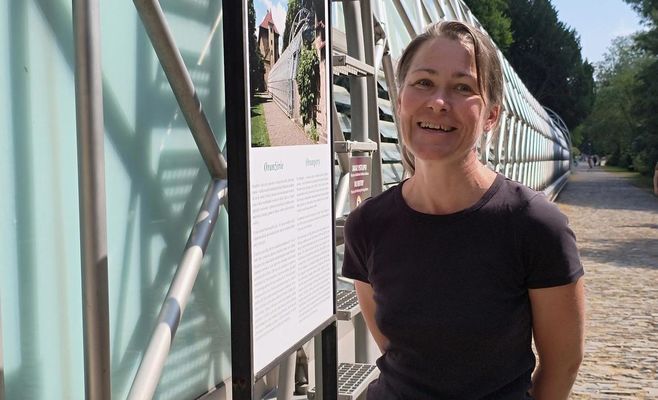
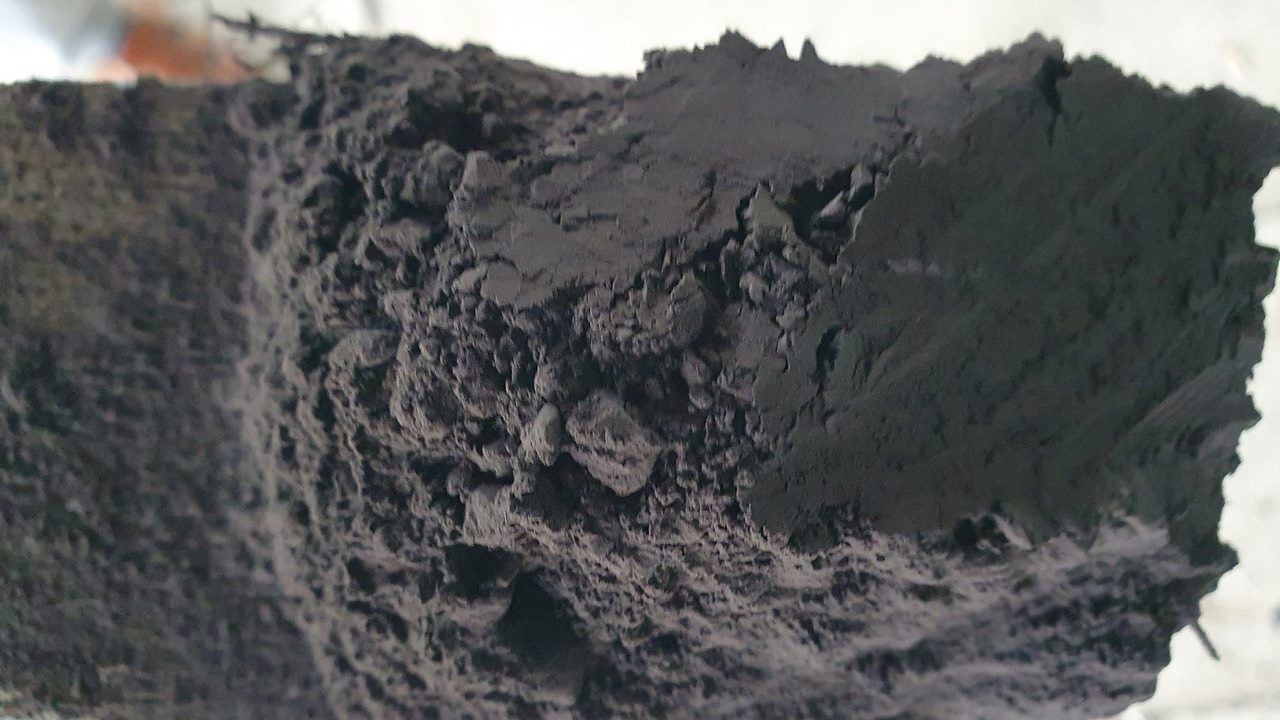
Scientists at the Institute of Chemical Process Fundamentals of the Czech Academy of Sciences have developed a method for converting used toner from printer cartridges into solid fuel. Institute researcher Olga Sholcová announced the breakthrough, noting that combining two problematic waste streams into a single, energy-useful product is a striking example of circular economy principles in action.
According to the specialists, certain components of used toner — carbon in particular — give it decent energy properties and a fairly high calorific value, meaning that complete combustion releases a substantial amount of thermal energy.
What the tests showed
During test burns, the scientists monitored the combustion process and the composition of the flue gases, paying particular attention to nitrogen oxides, sulphur dioxide and heavy metals. It turned out that the pellets burned steadily and carbon monoxide emissions were low — a sign of efficient, high-quality combustion. Carbon monoxide is a highly toxic compound produced when fuel burns incompletely.
That said, several indicators — nitrogen oxides, sulphur dioxide, mercury and a few other heavy metals — exceeded the emission limits currently set for modern incineration plants. Researchers, however, don't see this as a major obstacle to using the pellets: modern flue-gas cleaning technologies can significantly reduce concentrations of these substances, making compliance with the standards fairly achievable.
No need for new infrastructure
Based on their findings, the scientists say the experimental toner pellets could be used at existing facilities that already incinerate sewage sludge or process waste for energy recovery. No dedicated new infrastructure would be needed.
Toner disposal is a global problem: hundreds of millions of used cartridges are thrown away every year. Some can be refilled and reused, but a large share still ends up in landfills.
The research is being carried out under the National Competence Centre BIOCIRKL, which brings together leading Czech scientific institutions and industrial companies to develop solutions in bioresources, circular economy, energy and environmental protection. Besides the Institute of Chemical Process Fundamentals, the project involves the Czech University of Life Sciences Prague, the University of Chemistry and Technology, and the Czech Technical University.
Source: ekolist.cz