Czech Woman With Nepali Roots From Los Angeles Writes Book on Raising Kids Between Cultures
USD 21,23
Popular
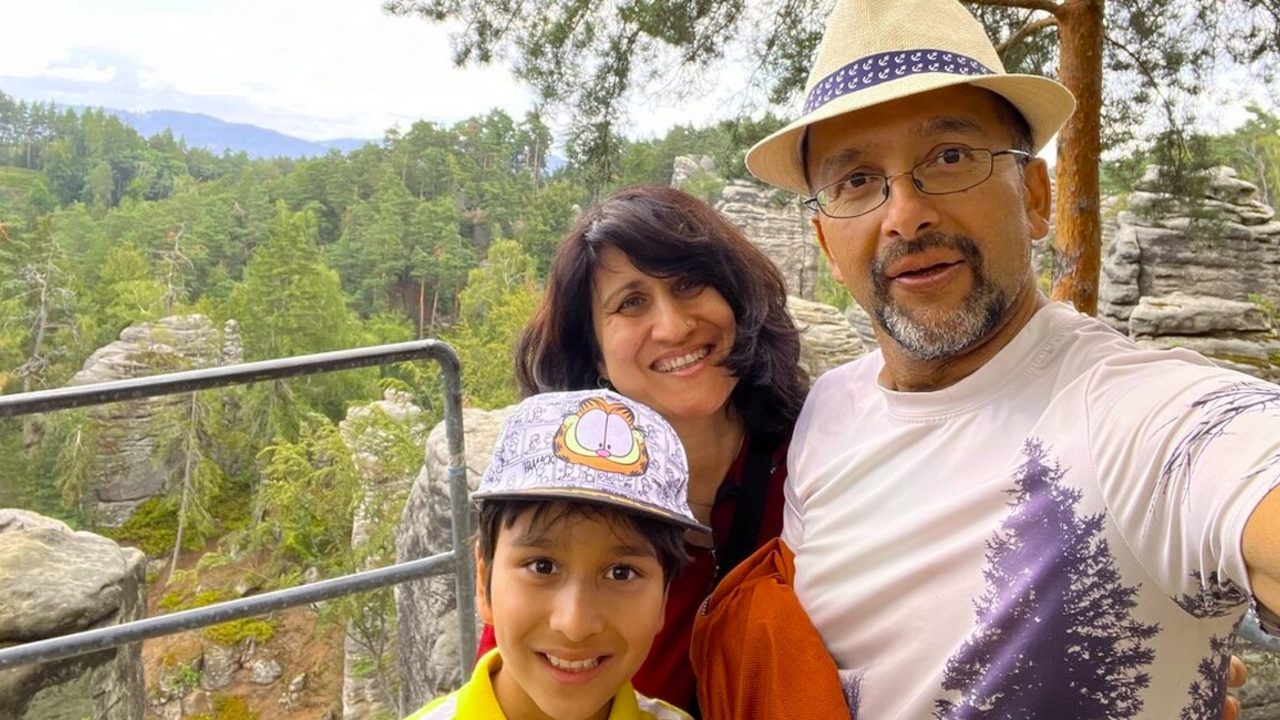
Sangita Shrestova, an intercultural communication researcher at the University of Southern California who was born in Prague to a Czech mother and Nepali father, has published a book on raising children at the crossroads of cultures. The Cross-Cultural Parenting Playbook draws on interviews with more than 30 families across four continents.
Shrestova's childhood was split between Czechoslovakia and Nepal, and she remembers being pulled aside for lengthy questioning at border crossings, with officers checking documents and permits while her mother grew anxious every time they approached a checkpoint. "We were always taken aside, they'd call their superiors, bring in supervisors," she recalls. The family often traveled on a tight budget, sometimes without enough money for food during long trips, and occasionally took the train from Germany just to save on costs.
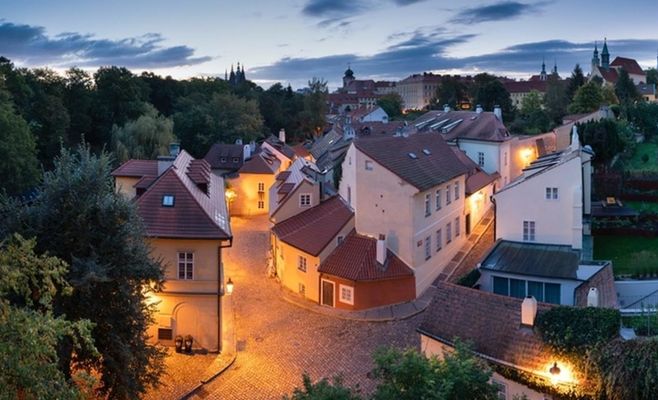
Despite the hassle of travel, Shrestova remembers Prague as a place of warmth and family comfort — her grandmother would spend weeks preparing for relatives' visits, and the fridge would be stuffed with cookies, koleč, svíčková and other traditional Czech dishes. Now based in Los Angeles, Shrestova returns to Prague every summer without fail, speaks fluent Czech, and, as she puts it, "always knows what time it is in Kathmandu and in Prague."
For her book, she interviewed more than 30 families across four continents — from Afghan refugees in Kentucky to serial expats and economic migrants in Los Angeles. Despite their vastly different circumstances, the emotional struggles turned out to be strikingly similar: parents raising children outside their "home" cultural environment have to consciously decide what to pass on — language, traditions, food, ties to relatives — and often feel guilty that they aren't doing enough.
Shrestova's own son, Marek, is growing up in Los Angeles: ethnically Czech, but living an American everyday life. The family started with weekend Czech classes at a local Czech school in Los Angeles, then moved to online lessons through Českou školu ve světě (Czech School Abroad), where the boy studies the Czech language, history and geography and prepares for annual language proficiency exams. Every June he also spends several weeks at a school in Prague and attends summer camps in Czechia.
According to Shrestova, the main lesson from her research is that preserving one's ancestral language shouldn't be treated as an all-or-nothing endeavor: even a minimal foundation laid down in childhood can help a person reconnect with the language later in life. She also notes that video calls, language apps and native-language children's programs are used by many intercultural families not as a substitute for real-life contact, but as a way to stay connected with relatives from afar.
Shrestova began working on the book in 2021 and finished it in 2025. Amid rising nationalism and growing distrust of migration, she even considered shelving the publication — but ultimately decided that the stories of such families "deserve to be told" now more than ever, at a time when cross-border identity is increasingly being called into question.
Read also: Free Czech courses for foreigners: where to study
Source: expats.cz