Czech writer Vladimír Páral, author of "Young Man and the White Whale," dies
USD 21,04
Popular
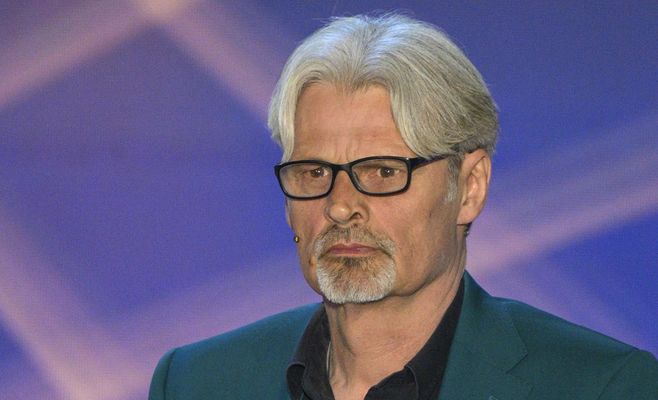
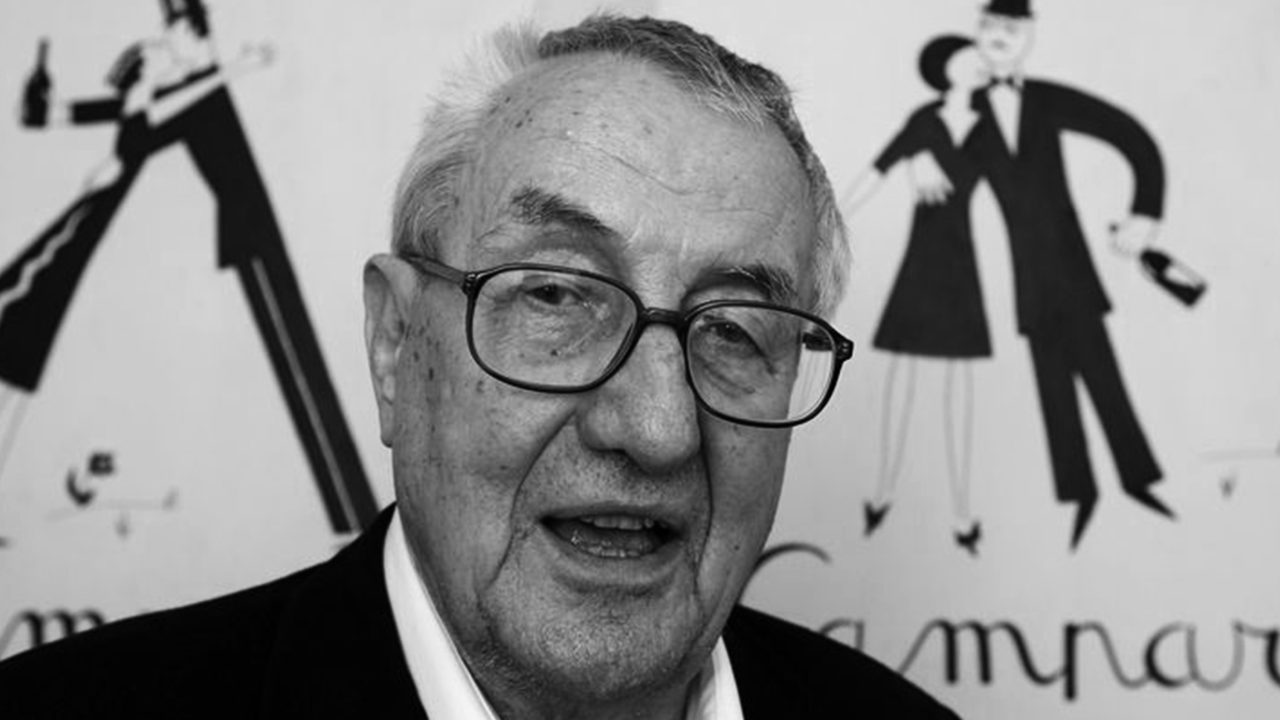
Renowned Czech writer Vladimír Páral died in the early hours of Monday at a hospital in Cheb — the news was confirmed by his friend Jaroslav Beneš. According to media reports, the writer had spent a long time at home recovering from an injury sustained last June, but by his own account on Facebook, he never lost his sense of humor or his good spirits, even after the accident.
Vladimír Páral was born in Prague on 10 August 1932, the son of legionnaire Alois Páral. He studied in Brno and earned his degree in chemical engineering in Pardubice. He worked in his field in northern Bohemia, mainly in Ústí nad Labem, but in 1962 he began writing for a regional newspaper under a pen name, and literature soon became his main profession.
From pen name to national fame
Páral published his first book, "Six Nights of Hell," under the pseudonym Jan Laban, and continued writing under his own name afterward. His literary legacy includes the so-called "black pentalogy" — the novels "Private Storm," "Catapult," and "Lovers and Murderers" — as well as the "white pentalogy," which includes his best-known work, "Young Man and the White Whale." All of these novels were adapted for film.
Human relationships as a central theme
The central themes of most of his books were the monotonous life of Czechoslovak society during the era of normalization and the intricacies of human relationships. Páral also wrote science fiction, including "The Land of Women" and "Romeo and Juliet 2300."
In the 1990s, the writer gained fame for his erotic novels "Playgirls 1" and "Playgirls 2," which brought to the forefront sexual themes long suppressed by censorship in Czechoslovakia.
From 1995 onward, Páral lived alternately in Prague and Mariánské Lázně. He was one of the founders of the town's "Writers' Trail" — in 2017 he symbolically "signed" its foundation stone and became the project's first patron writer, the Mariánské Lázně town administration noted in its condolences to the family.
According to the so-called "Cibulka lists," Páral had also collaborated with the Czechoslovak State Security service (StB), having signed a cooperation agreement while still a university student. In 1977, he was among the cultural figures who signed the so-called "Anti-Charter."
Read also: Brno: what to see and where to go
Source: novinky.cz