Czechia and Germany Launch Support Programme for Cross-Border Nature Conservation Projects Between Liberec Region and Saxony
USD 21,23
Popular
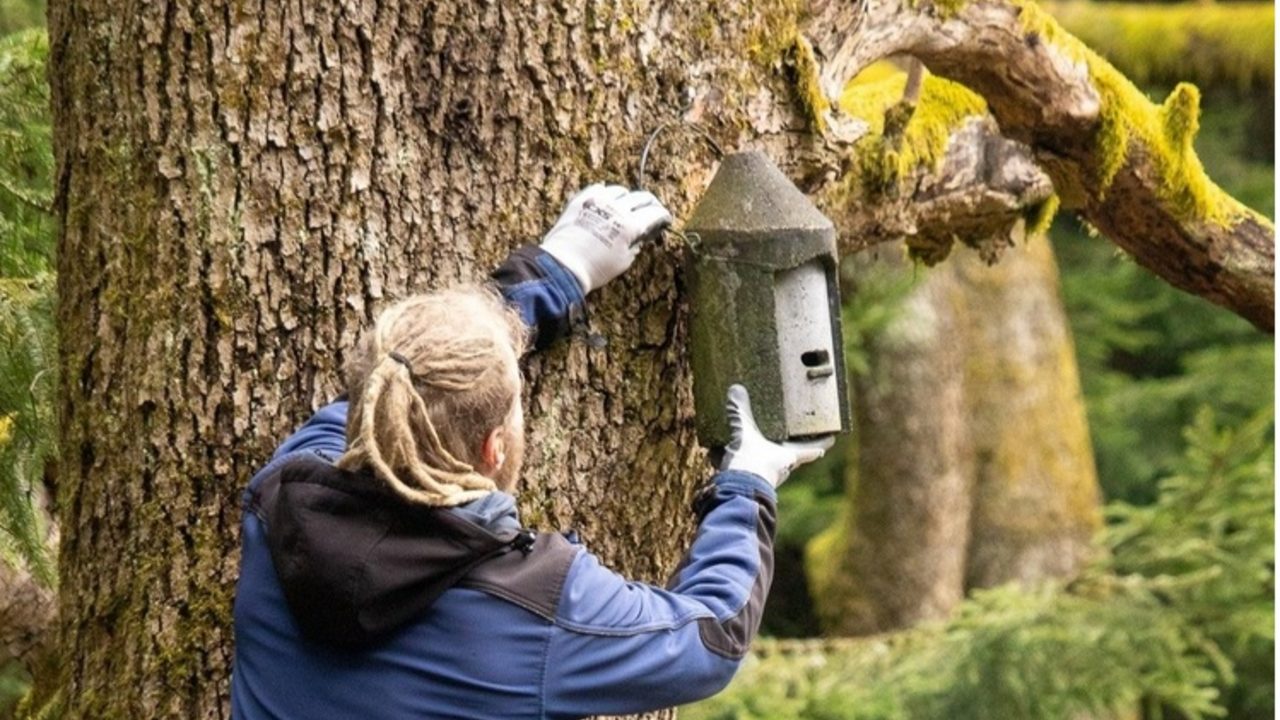
Environmental organisations from the Liberec Region and the German state of Saxony are set to deepen their cooperation on nature conservation through a new cross-border project. The initiative aims to establish at least ten new Czech-Saxon partnerships focused on practical nature protection and biodiversity restoration by the end of 2028.
According to Kořitář, the project's initiator, the process of preparing joint Czech-Saxon projects is currently too bureaucratic and time-consuming, which often prevents smaller border-region organisations from securing funding through cross-border cooperation programmes — even when their projects clearly deserve support. Changing this is precisely what the new initiative's organisers hope to achieve, by offering such groups the assistance and guidance they need.
The project's goal, organisers explain, is to build a Czech-Saxon network of environmental organisations along with a dedicated support centre that will help forge new partnerships, share experience, and prepare joint events. The initiative will also include an online directory of organisations and cooperation opportunities, making it easier to find potential partners on both sides of the border. Participating organisations will have access to expert consultations, translation services, exchange programmes, workshops, and joint meetings.
One of the organisations involved in the initiative is Čmelák, a group that has been working on landscape conservation and restoration since 1994. It specialises in protecting biodiversity, retaining water in the landscape, and converting spruce monocultures into more resilient ecosystems, and it manages more than 70 hectares of land, mostly in the Liberec Region. Among Čmelák's best-known projects are the creation of the so-called New Prales (New Primeval Forest) on Mount Ještěd and the restoration of wetlands near the town of Jablonné v Podještědí.
According to the organisation, Liberec conservationists have received nearly €666,410 — roughly 16 million Czech crowns — for the Czech-Saxon project from the European cross-border programme Interreg Czechia-Saxony.
Source: ekolist.cz