Czechia Denies Temporary Protection to Dozens of Ukrainians Over Military Registration Requirements
USD 21,01
Popular
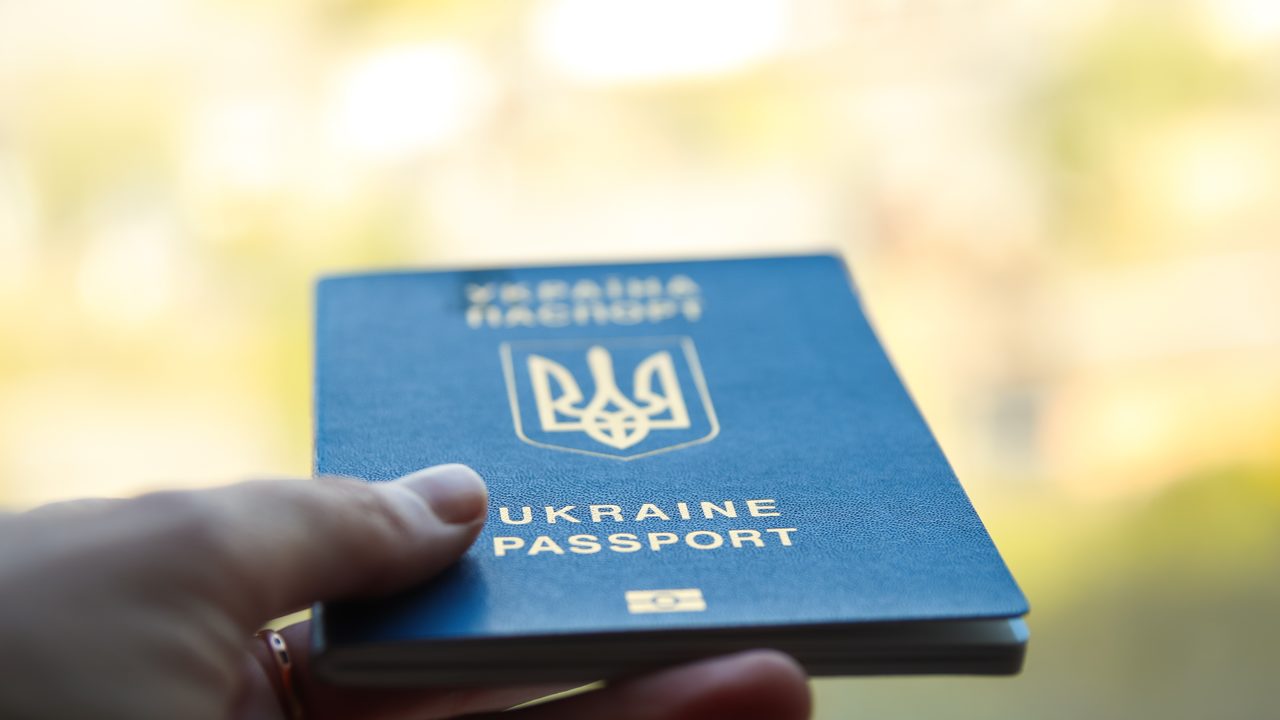
Since 5 August 2024, dozens of Ukrainian refugees in Czechia have been denied temporary protection under a new EU requirement obliging men of conscription age to prove they have fulfilled their obligations to the Ukrainian armed forces. The news was announced by Veronika Votočková, a migration and asylum expert at the Ministry of the Interior, during a session of the Senate Committee on Foreign Affairs, Defence and Security.
"In less than a week, several dozen people were refused temporary protection. They were unable to confirm that they had fulfilled their military obligations to Ukraine," Votočková said.
What has changed in the rules
Before 5 August, temporary protection was granted to all Ukrainian refugees without exception. Now, men aged 23 to 60 — that is, of conscription age — will be refused protection unless they can produce a certificate from Ukraine confirming they have met their military service obligations. The main form of proof is an electronic military ID — Ukrainian officials know exactly what a valid entry confirming completed military service looks like in this document. An alternative is a Ukrainian border exit stamp, though Votočková noted that priority is given to the military ID extract, as it is considered a more reliable form of verification.
Czechia among the countries pushing for stricter rules
Czechia currently hosts more than 396,000 Ukrainian refugees — proportionally to its population, the country takes in more Ukrainian refugees than any other EU member state. The Interior Ministry has long warned that the country's capacity is nearing its limit, which is why Interior Minister Lubomír Metnar (ANO) has been actively pushing the EU to tighten the conditions for granting temporary protection.
"During the negotiations, Czechia was among the states actively advocating for narrowing the scope of temporary protection," Deputy Interior Minister Ondřej Machal confirmed at the committee session. According to him, the change is also supported by the Ukrainian side: Kyiv has long called for men to remain in the country, both as potential soldiers and as a workforce for post-war reconstruction.
Men now outnumber women among arrivals
Machal noted that recently, men of economically active age have made up the majority of arriving refugees. Last year, for the first time since Russia's invasion began in 2022, more male refugees arrived in Czechia than female ones.
The number of women aged 18 to 65 has barely changed over the past year — there are currently more than 160,280 women in this age group living in Czechia, roughly 500 fewer than a year ago. The number of men in the same age bracket, however, has grown substantially — increasing by more than 21,200 to reach 132,000. The new requirement could significantly reduce the inflow of men, though it is still too early to assess its full impact.
A contentious question of timing
Machal described the tightened conditions as "another step towards a gradual and managed end to temporary protection." Senator David Šimek (KDU-ČSL and Independents) disagreed: "I believe we are still living through a period when the military conflict is nowhere near resolution. Discussing a gradual phase-out of protection right now doesn't seem appropriate."
Under the EU's decision, temporary protection has been extended until March 2028 and will likely be extended further. Votočková noted that if a ceasefire or peace agreement is reached in Ukraine, a transitional period will likely be introduced, during which holders of temporary protection would need to switch to standard residence permits. However, discussions on this matter are still ongoing.
Read also: Extension of temporary protection in Czechia for Ukrainians
Source: novinky.cz