Czechia falls behind on law guaranteeing equal pay for men and women
USD 21,02
Popular
Czechia has now missed the deadline for transposing the EU directive on equal pay for men and women by more than a month. The requirements were supposed to be incorporated into Czech law back in June, yet the government has not even begun debating the relevant bill. Meanwhile, most of the changes — one of the most significant labour reforms in years — are due to take effect as early as January 2027, leaving companies with less and less time to prepare.
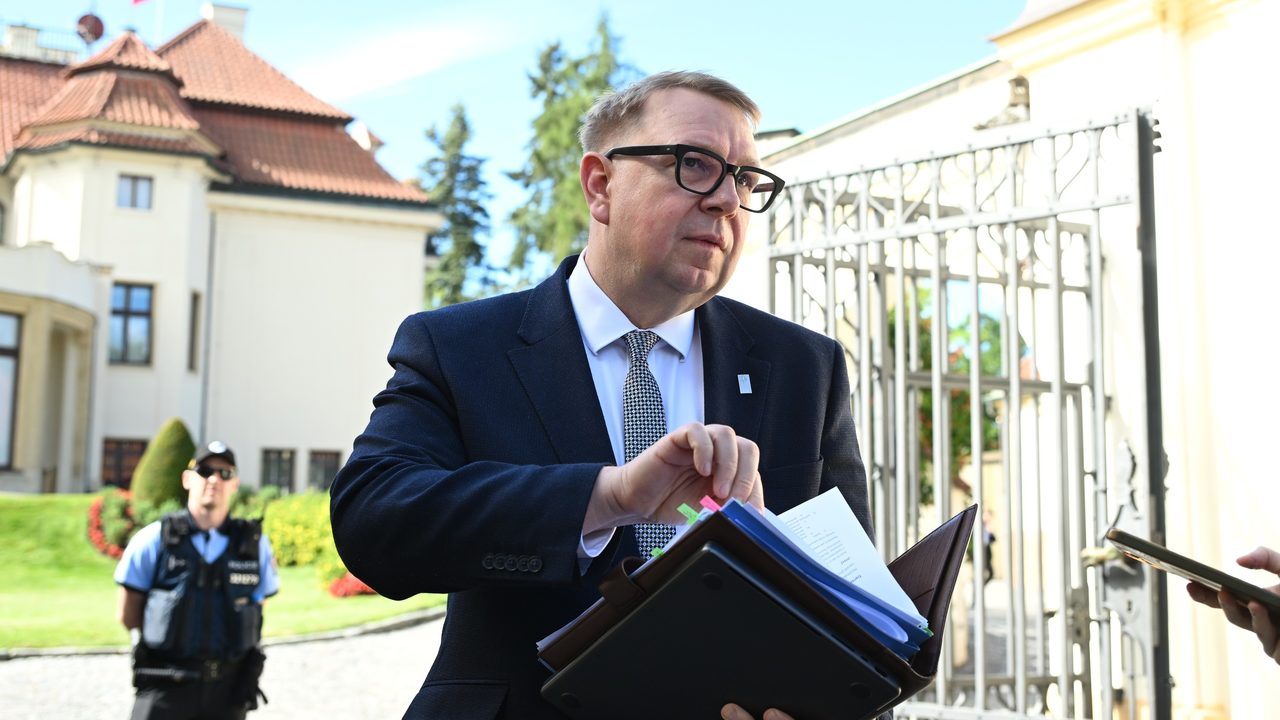
"We have prepared a version that can improve the existing system without creating a major additional burden," said Labour and Social Affairs Minister Aleš Juchelka (ANO). According to him, the cabinet will discuss the bill in autumn, though an exact date has not yet been set. After that, the document still needs to pass through parliament.
What will change for employers
Companies will be banned from asking candidates how much they earned in their previous job. However, a mandatory requirement to state the proposed salary directly in job listings did not make it into the final draft — trade unions oppose this omission, arguing that the job posting itself is the most suitable way to inform applicants.
While drafting the amendment, the ministry made concessions to employers: originally, salary information was to be disclosed "before negotiations on the employment contract begin," but at the request of the Chamber of Commerce, the wording was changed to "no later than the signing of the contract" — meaning current practice will essentially remain unchanged.
Firms will be required to introduce clear, non-discriminatory pay rules and build a transparent system that ranks positions according to complexity, responsibility and workload. Failure to establish such a system carries a fine of up to one million crowns.
Pay differences may be justified by experience, performance, qualifications or more demanding working conditions, but employers will be obliged to clearly explain why employees in comparable positions receive different pay. The Chamber of Commerce is calling for clearer criteria and warning of the risk of excessive administrative burden, particularly for small and medium-sized businesses.
Employees' right to compare salaries
Workers will gain the right to request information about their own pay as well as the average pay of women and men in similar positions. They still won't be able to see a specific colleague's payslip, though in smaller companies it will be difficult to keep such data from being reverse-engineered.
According to Ivona Tajšlová, a sustainable business expert at BDO, the change is unlikely to trigger a sharp backlash: "I expect more of a wave of questions and requests for clarification than lawsuits." With greater access to data, employees will find it easier to assess whether their pay is fair — and if a company cannot prove that a pay gap is objectively justified, staff will be able to demand that their salary be brought in line and back pay covering the previous period.
Mandatory reporting on the gender pay gap will apply only to large employers: companies with 150 or more employees will start reporting from 2028, while firms with 100–149 employees will follow from 2031.
Václav Flk, a lawyer at Rödl, warns that the gap between the law's passage and its entry into force could be too short: "I'm afraid the deadline will be quite tight, as is often the case in Czech practice."
Czechia among the EU's worst performers on the pay gap
Czechia ranks among the worst countries in the European Union when it comes to the gender pay gap. According to the Czech Statistical Office, in 2025 the median monthly salary for women was 41,068 crowns, compared to 47,648 crowns for men. The median marks the exact midpoint — half of all employees earn less than this figure, half earn more. This gap alone does not necessarily mean women are paid less for the same work; rather, it reflects the fact that men are more often employed in higher-paying industries or in management positions.
Source: novinky.cz