Czechia may lower the age of criminal responsibility to 13 — a step none of its neighbours has taken
USD 21,08
Popular
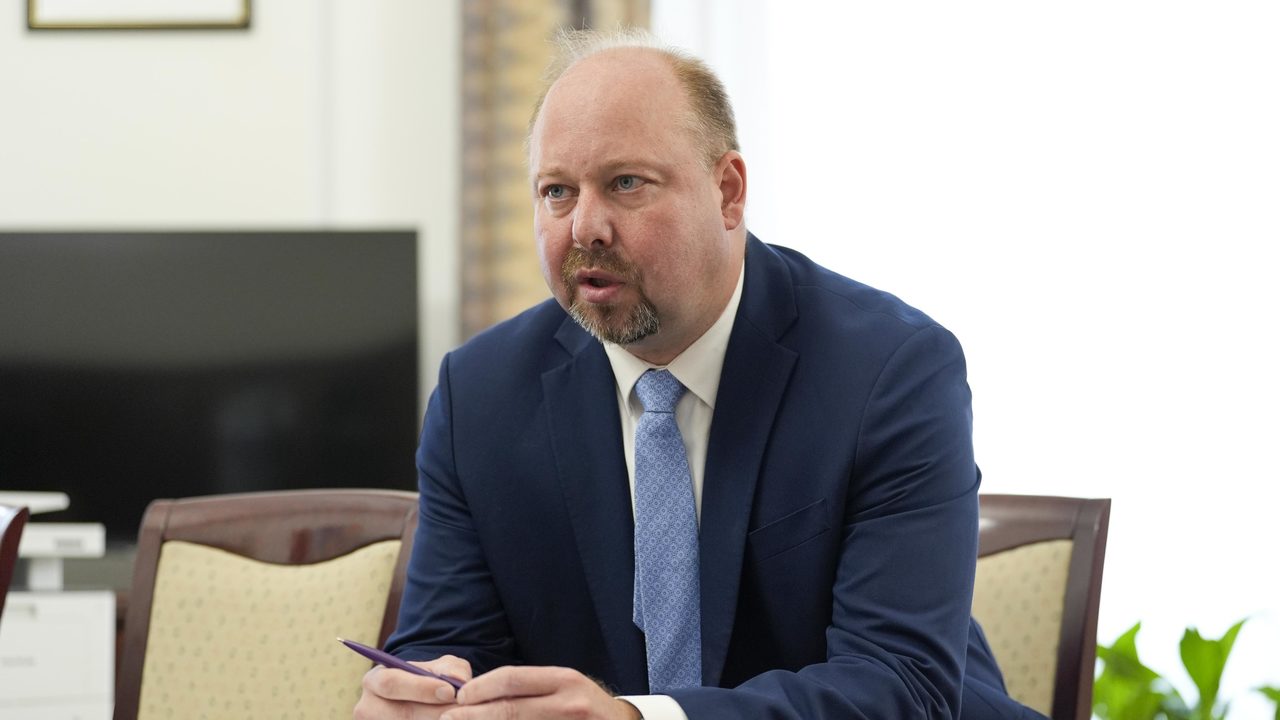
Czech Justice Minister Pavel Blažek... — wait, the minister named in text is Pavel Tejc. Let me keep it: Czech Justice Minister Pavel Tejc has proposed lowering the age of criminal responsibility for violent crimes from 15 to 13, while keeping the threshold at 15 for all other offences. If the proposal passes, Czechia would become the only country among its neighbours with such a system — currently, all neighbouring states set the age of responsibility at 14.
The only partial exception is Poland, which uses a dual threshold depending on the severity of the offence. For the most serious crimes, such as rape or murder, Poles can be tried as adults from the age of 15 and sent to a juvenile correctional facility (designed for offenders up to 21 years old). For less serious crimes, criminal responsibility in Poland only begins at 17, while younger offenders are sent to educational institutions — according to the EU Agency for Fundamental Rights (FRA), there has even been a case of a six-year-old being placed in such a facility, since Poland has no minimum age set for these measures.
Tejc justifies his proposal by pointing out that around 60% of violent crimes committed by teenagers under 15 are committed by 13- and 14-year-olds. According to him, the number of such cases is not rising sharply, but their brutality and aggressiveness are increasing noticeably.
According to Roman Hájek, spokesperson for the Slovak Police Presidium, the number of juvenile and young offenders committing violent acts is also gradually rising there. The number of offenders under 18 grew from 285 in 2022 to 391 in 2025. Last year, they accounted for about 8.5% of the total 4,595 violent crimes, though only 24% of juvenile offenders were children under 14 — the rest fell into the 15–18 age group. In Slovakia, as currently in Czechia, criminal responsibility begins at 14.
Child psychologist Ludmila Mrkvicová, who has worked as a forensic expert for more than 40 years, supports the idea and is even willing to go further. “I’m definitely in favour, and I’d happily lower the threshold to 12,” she said. In her view, responsibility should be determined by whether a child understands the consequences of their actions. “Among young killers, I’ve met some who said, ‘Nothing can happen to me, why are you bothering me?’ In my opinion, even a ten-year-old understands that killing, lying and stealing are wrong,” the expert explained.
Child ombudsman Martin Beneš is sceptical about the idea. “This is certainly not a cure-all,” he said, adding that efforts should instead focus on prevention, to stop violent crimes among children before they happen. “If there’s an increase, we need to understand what’s causing it and what tools can be used to respond at the prevention stage,” the ombudsman noted. He pointed out that Czech justice already has mechanisms for punishing young offenders: for the most serious offences, children as young as 12 can be given protective education — not a criminal sanction, but a measure aimed at correcting behaviour and reintegrating the child into society. It usually applies until the age of 18, but in justified cases a court can extend it by a year. Children placed under protective education must be kept separate from those held in institutions for reasons other than committing a crime.
Source: novinky.cz