Czechia Sees Sharp Rise in People Bitten by Bats
USD 21,01
Popular
This autumn, Czechia has seen a sharp increase in the number of people injured by bat bites. According to the Infectious Diseases and Travel Medicine Clinic in Pilsen, only two bite victims sought help there in all of last year, but this year eight patients have already received rabies vaccinations — three at the clinic's outpatient department and five at the vaccination centre.
A similar trend has been observed in Ostrava: doctors at the city's university hospital report that fifteen bat-bite cases have been registered since June, and all of the injured received preventive vaccination. Most contact occurred when a bat flew into a room and the person tried to catch it.
Pilsen — a special case
Karel Makoň, head of Pilsen's animal rescue station, described the situation as extraordinary. "I don't remember anything like this happening in our city before. This is clearly a matter of people not knowing how to handle the animals properly — for instance, they'd find a bat on the pavement and pick it up or touch it without gloves. Construction workers may also have come into contact with them during building work," he explained.
He predicts the number of cases will rise further in the coming weeks as the animals begin their migration. "Bats are timid creatures and won't attack a person on their own. The key is prevention," the expert stressed. He advises residents of houses and flats to install screens on their windows and avoid opening windows that lead into shared corridors.
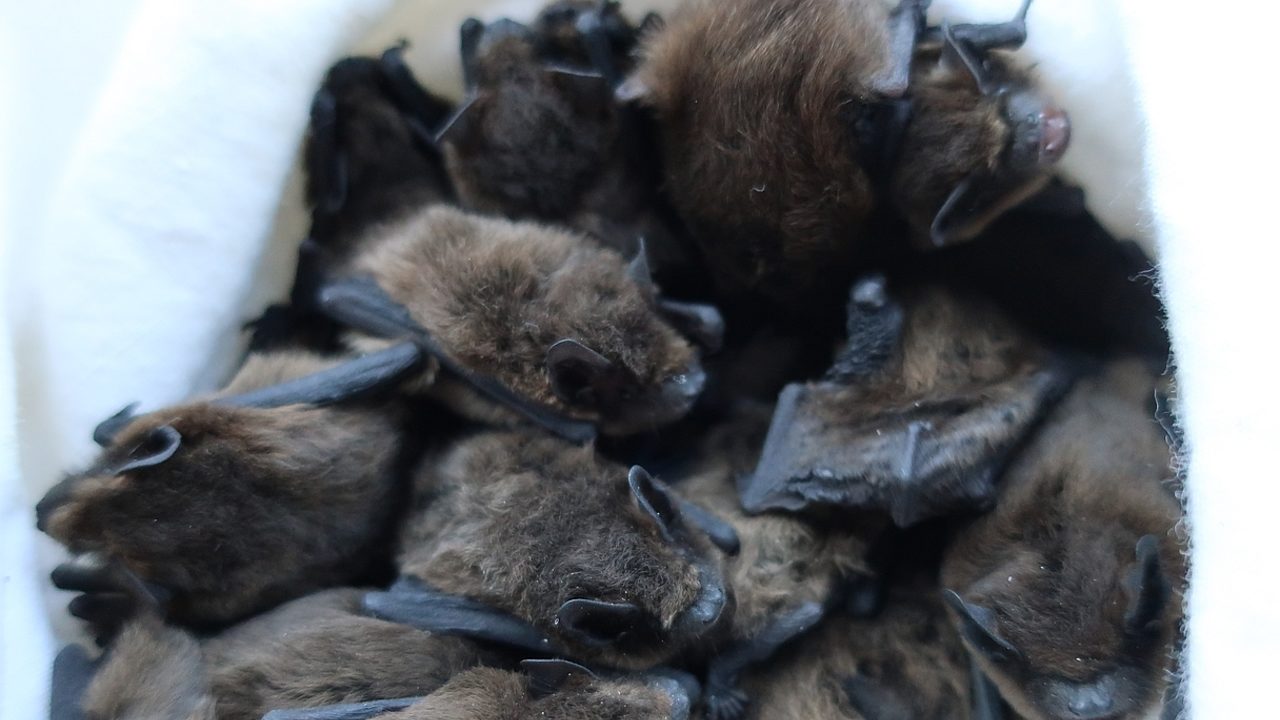
Zoologist Eva Cepáková from the Czech Bat Conservation Trust noted that the western Bohemian capital is a particular hotspot. "This is exactly the time of year when a genuine invasion of migrating pipistrelle bats occurs. A large group of animals can end up in an apartment, an office, and so on," she said. According to her, the animals involved are usually young bats that have recently left their mother: one flies in, starts squeaking, others follow, and the whole group ends up unable to find its way back out on its own. Besides Pilsen, regular bat invasions are also recorded in Brno and Liberec.
What to do if you encounter a bat
If a healthy adult bat accidentally gets into a room, it's usually enough to turn off the lights, open a window, draw back the curtains and leave the room — the animal will find its own way out. "Any contact with a bat shouldn't be underestimated, so it's important to wear gloves," Cepáková emphasised. If the animal is injured or unable to fly, experts recommend contacting the nearest rescue station immediately, while in winter (from November to February) any bat found should be placed in a cardboard box with breathing holes and specialists should be contacted.
Rabies does not occur among humans in Czechia, but bats remain the only possible carrier of the virus. The last confirmed case of transmission was recorded by the state veterinary service two years ago, when a zoologist in Ostrava was bitten by a serotine bat.
Read also: Brno: what to see and where to go
Source: novinky.cz