Dangerous TikTok trend: anti-stress toys explode in microwaves, burning children's faces
USD 21,04
Popular
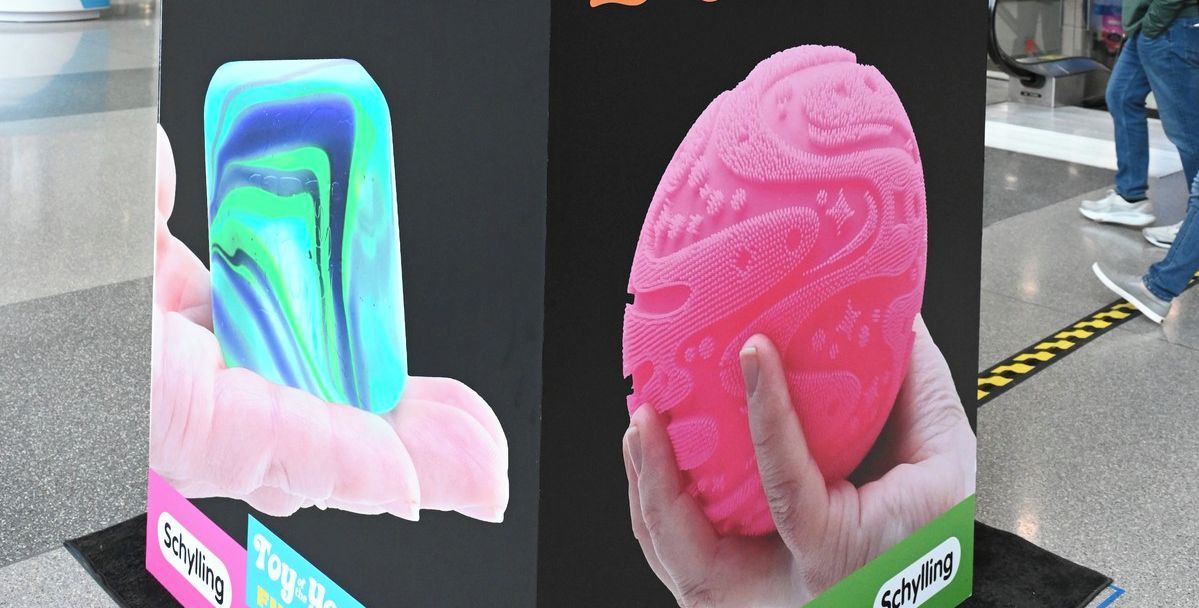
The US has seen a rise in severe burn cases among children attempting to recreate a viral social media trend — heating the popular Schylling NeeDoh anti-stress toy in a microwave to make it softer. Once heated, the gel-filled balls and drops burst, splattering scalding-hot material directly onto a child's face and neck.
One of those affected was 11-year-old Coltin Preston from Oklahoma City, who saw children heating up these toys online and decided to try it himself. After pulling the toy out of the microwave, it burst, sending overheated gel onto his face and neck. "I couldn't get it off, and it was just burning," the boy recalled. According to his mother, Kami Gill, doctors had to put her son under anesthesia twice to remove the dead tissue and clean the burns.
Similar incidents are on the rise. Seven-year-old Scarlett Selby from Missouri was placed in a medically induced coma after a toy exploded, nine-year-old Caleb Chabolla from Illinois suffered second-degree burns to his face, and twelve-year-old Kelsey Dibala from Indiana needed a skin graft due to the severity of her burns. A 13-year-old girl from New Mexico was burned without even using a microwave — her toy exploded inside a car that had overheated in the sun. In Britain, ten-year-old Bella suffered serious facial burns and now must avoid sun exposure to her skin for at least two years.
The toy's manufacturer — the Massachusetts-based American company Schylling — clearly states on its packaging that the products should not be heated, frozen, or placed in a microwave. The company says it is working with social media platforms to have dangerous videos removed. "The safety of our customers matters greatly to us. We are disappointed that a trend has emerged on social media that misuses our products," the company said in a statement.
The toy is also available in Czechia, sold by major retailers including Alza and Allegro. On the price-comparison site Heureka, it's described as a "fidget toy" that entertains children and adults alike, made from non-toxic materials and "perfect for safe, flexible fun." The listing makes no mention of the overheating risk.
Doctors are primarily warning about the dangerous influence of social media on children. "Parents should be aware of this trend and other dangerous challenges circulating online. The children taking part in them aren't old enough to fully grasp the risks on their own," notes Alicia Webb, an emergency department pediatrician. Experts advise parents to explain the dangers of internet challenges to their kids, avoid leaving such toys in cars that heat up in the sun, and regularly check them for damage.
Source: novinky.cz