Danube Runs Dry: Hungary Faces Total Shutdown of Paks Nuclear Plant, Romania Already Halts Reactors
USD 21,05
Popular
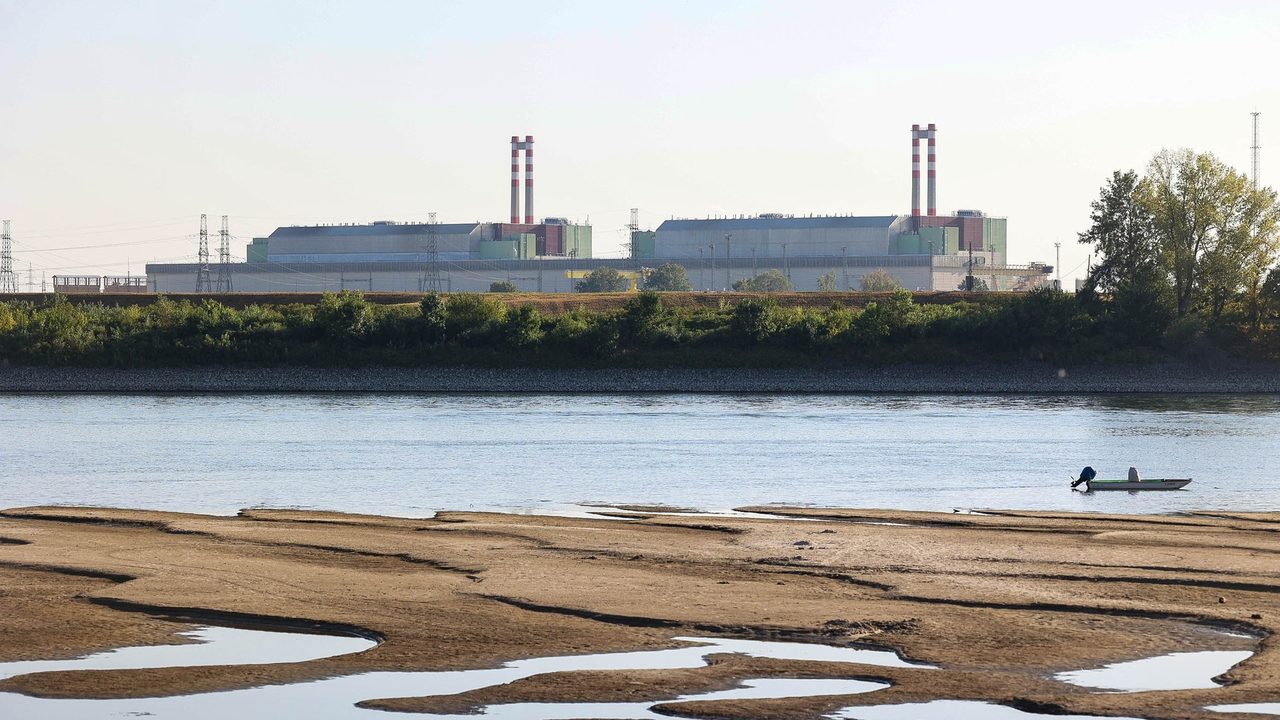
Amid record-low water levels on the Danube, Hungary is preparing to fully shut down all four units of the Paks Nuclear Power Plant within the next 24–72 hours. The plant supplies almost half of the country's electricity. The announcement came from the plant's operator, MVM Paks Nuclear Power Plant Ltd.
The station has already taken its third unit offline and cut the output of the second unit by half. According to the operator, the Danube's water level at Paks has dropped to a new historic low — 28 centimeters below the previous record set in 2018.
The issue isn't a shortage of water itself, but rather that the pump intake pipes sit above the current river level, which is expected to keep falling. As a result, the pumps can no longer perform their cooling function, the operator explains.
Engineers have already begun technical work aimed at allowing the plant to operate even at significantly lower water levels within the next few years. According to MVM representatives, the current situation exceeds the parameters set by the plant's designers back in the 1980s, when the minimum water level expected once every hundred years was set more than a meter above today's actual level.
The company points to a combination of factors, including the long-term deepening of the Danube's riverbed due to sediment erosion, as well as climate change. This year saw virtually none of the usual spring flood surge that typically raises the river's level, leaving the water abnormally low throughout the year.
The plant's operator stresses that there is no safety threat: after the units are shut down, only a fraction of the usual water volume will be needed, and backup pumping systems have been prepared in case levels drop further. Hungarian Prime Minister Péter Magyar stated that electricity supplies to households and businesses will not be at risk — the shortfall is expected to be covered through imports from abroad, while contingency plans for temporary consumption limits at large industrial facilities are also being prepared, should the need arise.
The low Danube levels are being felt in other areas as well: several municipalities near Budapest have introduced water usage restrictions, water utilities are reporting reduced production capacity, and the government has declared the highest level of drought alert. Budapest Mayor Gergely Karácsony called the hydrological situation extraordinary: "Never in history has the Danube's water level in Budapest been this low, and forecasts suggest we haven't seen the worst of it yet," he wrote on social media on Tuesday, adding that the city's drinking water supply remains stable for now.
The problems extend beyond Hungary's borders. In neighboring Romania, low Danube flow rates have forced the shutdown of both reactors at the Cernavodă Nuclear Power Plant, which together supply about a fifth of the country's electricity. The record-low river level is also seriously hampering shipping along a significant stretch of the waterway.
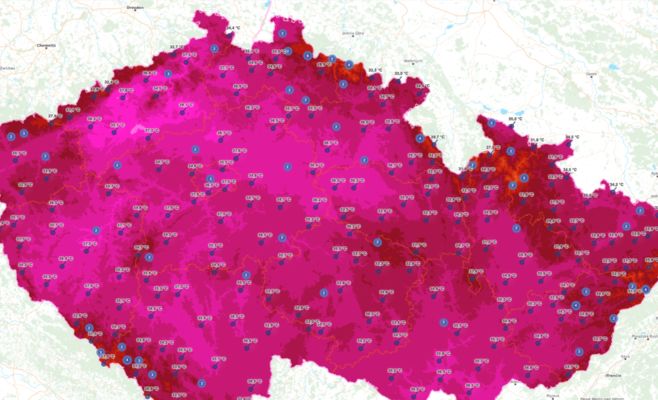
The fresh heatwave sweeping across Central Europe is hitting not only agriculture and water management but also energy infrastructure that depends on sufficient river water volumes. Drought conditions are intensifying in Czechia as well: according to scientists at the Global Change Research Institute of the Czech Academy of Sciences, the current heatwave could bring temperatures of up to 40 degrees Celsius, with the heat expected to persist until roughly August 4–8. Over the coming week, extreme drought is expected to affect around 30% of Czech territory, with the two next-most-severe drought categories covering an additional 50%.
Source: seznamzpravy.cz