Drought in Czechia Forces Farmers to Sell Off Livestock Amid Feed Shortages
USD 21,01
Popular
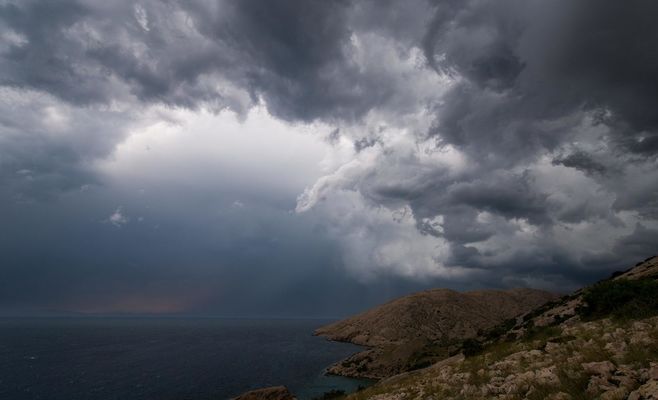
A severe drought in Czechia has triggered a sharp shortage of animal feed, forcing farmers to sell off livestock on a large scale, the Agrarian Association of the Czech Republic reports. According to the association's chairman, Jaroslav Šebek, some farms have seen the volume of grass fodder harvested for livestock drop by 60 to 80 percent.
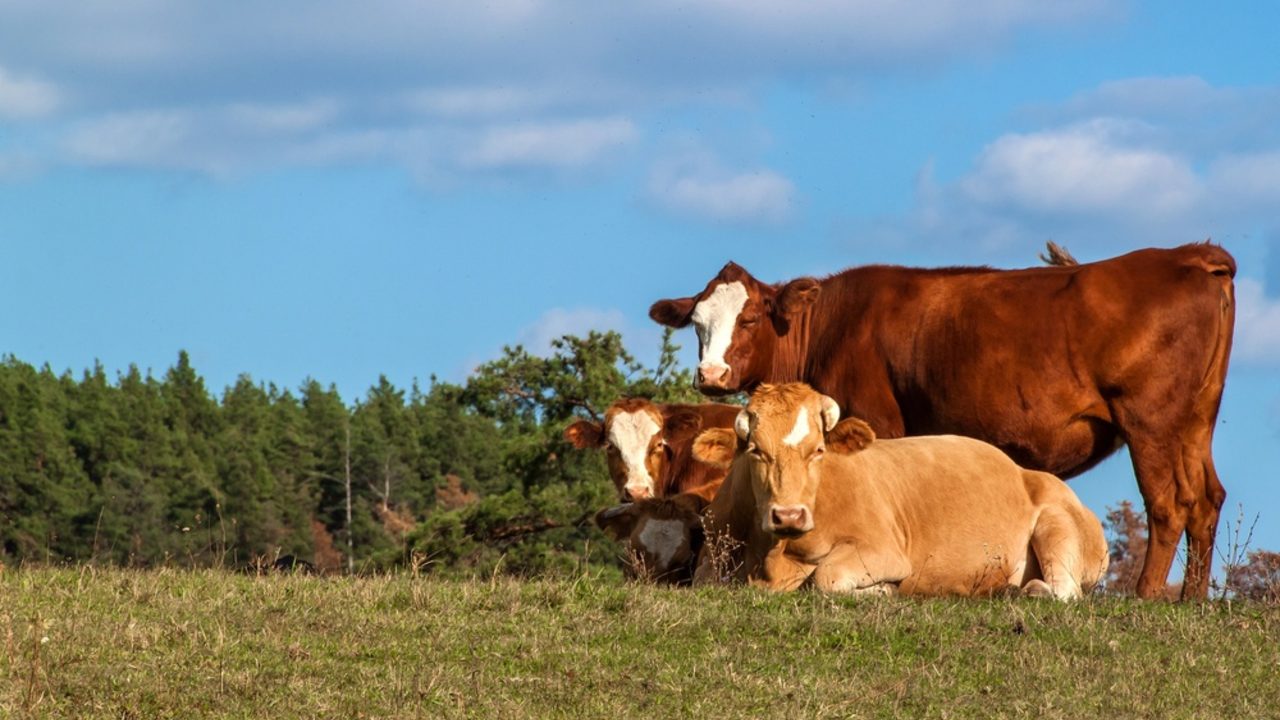
Farmers normally spend the summer building up stocks of hay, haylage and silage to last through the winter and into the following spring, but this year that hasn't been possible, and last year's reserves are gradually running out. "When there isn't enough hay, haylage or corn silage, farmers are forced either to buy feed or to reduce their herds. We're already seeing an increase in livestock sales," Martin Pýcha, chairman of the Czech Agrarian Chamber, told the ČTK news agency.
He highlighted an important point: while a field can be replanted the following year, rebuilding a cattle herd once it has been culled takes years and requires substantial investment. "Most farmers understand this very well," Pýcha noted. According to the association, some farms are now forced to import expensive hay from abroad just to avoid slaughtering their livestock.
Grain and Rapeseed Harvests Set to Shrink
Feed shortages aren't the only consequence of the drought. It's also one of the reasons behind the expected drop in this year's harvest. According to the statisticians' second estimate, the grain harvest will be almost 17 percent smaller than last year's, while the rapeseed yield is expected to fall by a fifth year-on-year.
"On some farms, even drinking water for the animals is starting to run out," Šebek added. The drought has also hit fish farming hard: in the Olomouc Region, for instance, some small streams have dried up completely, while ponds are facing a growing risk of mass fish die-offs due to high temperatures and dwindling oxygen levels.
Farmers' Union Calls for Government Action
The Agrarian Association is urging authorities to take more decisive action, describing the current drought as a disaster on par with a natural calamity. "How is it that government politicians aren't proposing measures that would genuinely help farmers through this difficult situation while also offering a solution for the future, given that such unfavorable conditions could recur or even worsen?" Šebek asks.
Source: ekolist.cz