Ecologist: Heat and drought have become the new normal in Czechia — systemic action is needed
USD 21,01
Popular
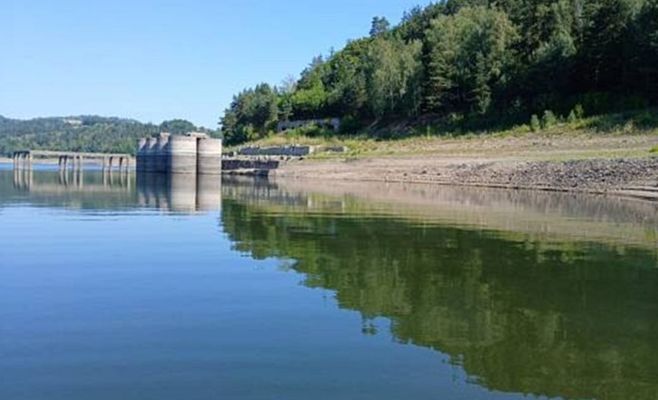
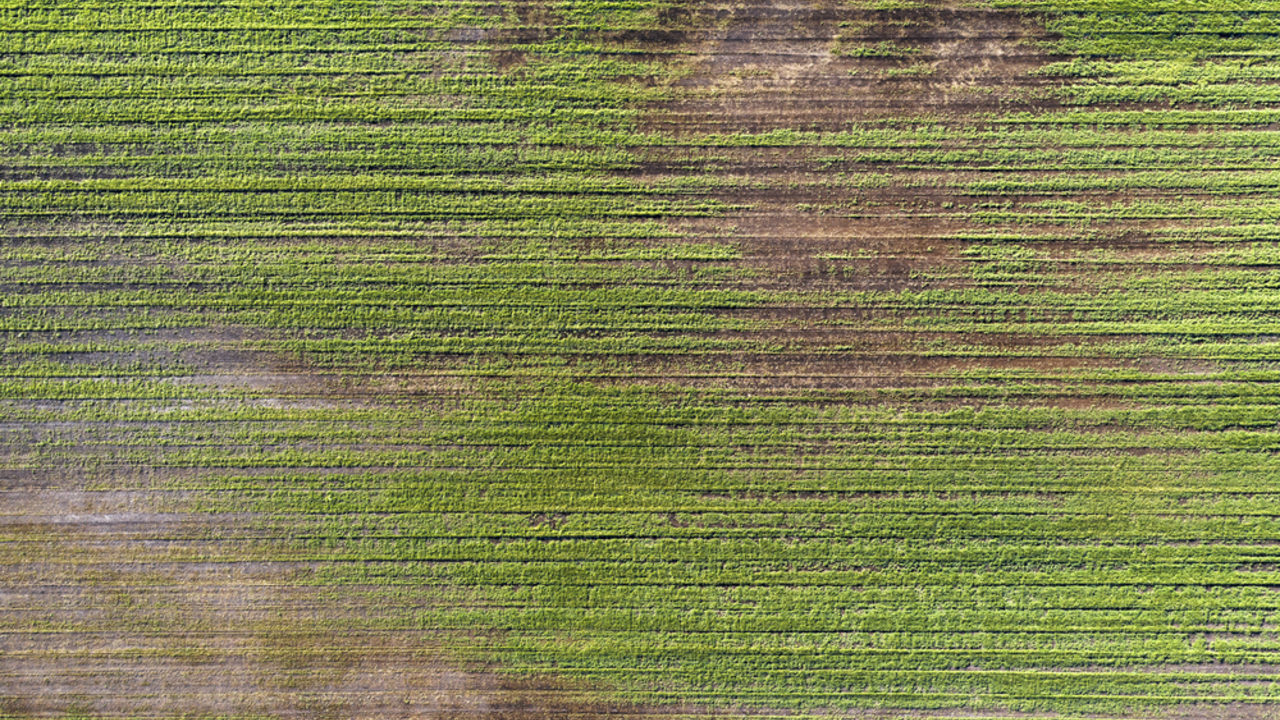
Pastures across Czechia are drying out and scorching under relentless heat, grass has no time to grow back, and livestock farmers are being forced to feed animals from winter stores or buy expensive fodder abroad. This is according to an opinion piece by environmental policy expert Matěj Pomahač.
He notes that state and municipal authorities are increasingly imposing strict restrictions on water use, prioritizing drinking, cooking, personal hygiene, hospitals and firefighting. Meanwhile, garden crops and entire ecosystems are suffering — the author calls the watering ban an emergency measure that merely masks the state's decades-long inability to tackle the causes and consequences of the climate crisis.
A new climate reality
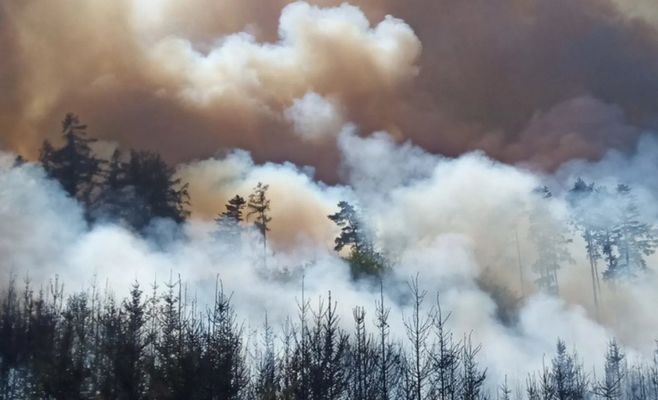
Pomahač points to sustained daytime temperatures above 40 degrees, tropical nights with no dew, and an almost complete absence of significant rainfall across large parts of the country since the beginning of winter. He says this is no longer confined to northwestern Bohemia, which lies in the rain shadow of the Krušné hory (Ore Mountains), or southern Moravia, long threatened by desertification — to varying degrees, it is now the reality for the entire country.
According to the author, drought alternating with extreme downpours and flooding has stopped being a once-in-a-decade rarity and has become a permanent feature of life and farming in this country. This new extreme normal demands new, large-scale and consistent solutions.
What the expert proposes
Pomahač argues that the systemic response must be comprehensive management of water resources and the landscape: the systematic preparation, funding and implementation of dozens of measures across each of the country's 4.19 million hectares of farmland and 2.68 million hectares of forest — together making up 87% of the country's territory. This means an enormous number of small-scale measures that must be patiently and continuously coordinated with farmers, foresters, local authorities, scientists and citizens, including the restoration of natural habitats. Dams, he says, don't solve the problem — they hold water within the dams themselves, not within the landscape.
The author sharply criticizes the current government, sitting in the air-conditioned halls of Strakova Academy, calling it incompetent and more concerned with serving oligarchs' interests than protecting the population from heat and drought. He describes the upcoming municipal and Senate elections as a chance to bring to power politicians who understand ecological interdependencies and technical solutions and know how to secure funding for them — only such policies, he believes, can reshape the landscape into one where it's once again comfortable to live — and water your garden.
Source: ekolist.cz