Economist Slams Proposal for Extraordinary Pension Indexation in Czechia
USD 21,62
Popular
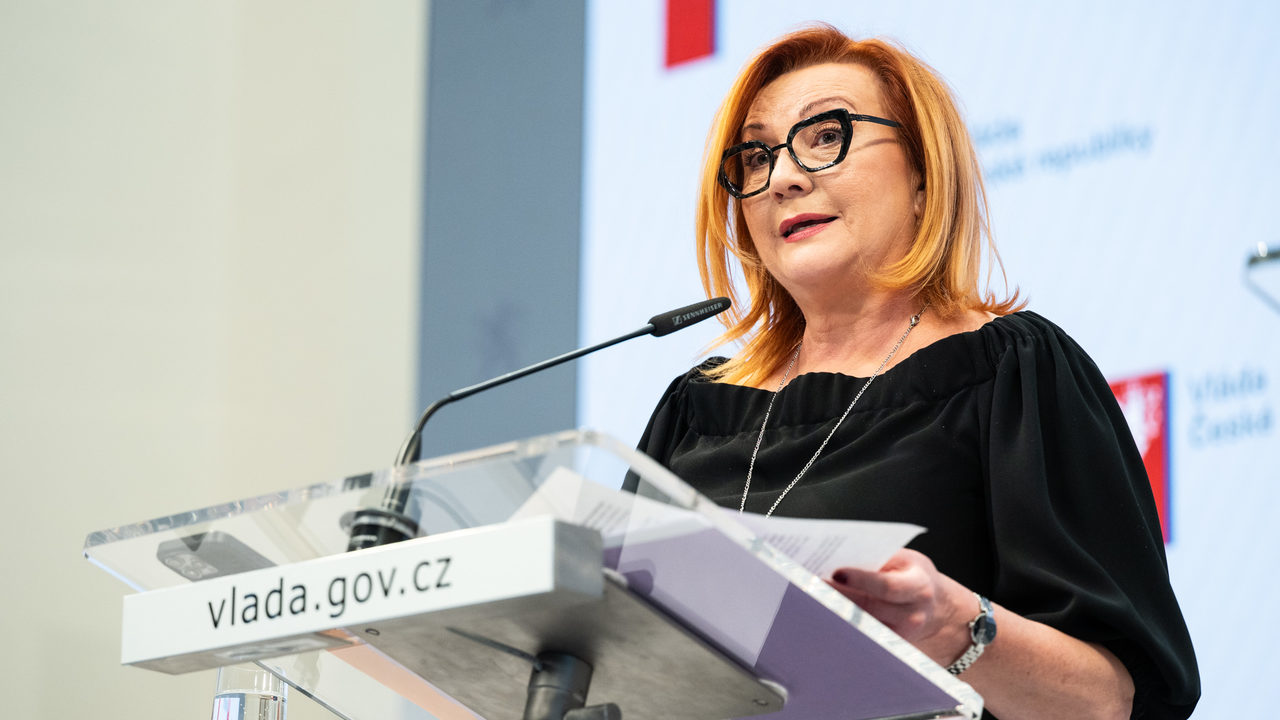
Czech Finance Minister Alena Schillerová has begun talks with heads of other ministries on spending and savings in next year's budget, while economist and member of the National Budget Council Petr Musil used the same day to criticize the government's plans for an extraordinary pension indexation, calling the measure economically unjustified.
According to Musil, such a move defies economic logic given the budget deficit that is already on the rise. Prime Minister Andrej Babiš previously stated that the question of extraordinary pension indexation, along with raises for civil servants, would be part of the budget negotiations. Both Babiš and Schillerová agree, however, that spending priorities should focus above all on investment in transport infrastructure and healthcare.
Budget Deficit Keeps Growing
The finance minister has not yet specified the exact size of the planned deficit — the government is due to receive the draft state budget by the end of August. Earlier in July, Prime Minister Babiš said next year's deficit should stay significantly below 400 billion crowns.
The opposition has already criticized this stance, pointing out that growing deficits amount to debt passed on to future generations. A group of twenty economists sent an open letter to lawmakers warning of the dangers of loosening fiscal rules.
For comparison, the government is planning a deficit of 310 billion crowns this year. The budget has exceeded 400 billion crowns only once — in the pandemic year of 2021, when the deficit reached 419.7 billion crowns. A deficit in the range of 300 to 400 billion was recorded only in 2020 and 2022.
It remains an open question whether all the planned spending is truly necessary — and whether the government's promises that deficits will start shrinking from 2028 onward can be trusted.
Source: seznamzpravy.cz