USD 21,28
Popular
In June, Czechs shared more than 21 gigawatt-hours of electricity through the so-called electricity sharing scheme — 2.5 times more than a year earlier, and roughly equivalent to the monthly consumption of 84,000 households, or a city the size of Plzeň. According to the Electricity Data Hub, June was the strongest month in the system's history, following record-breaking figures in March, April and May.
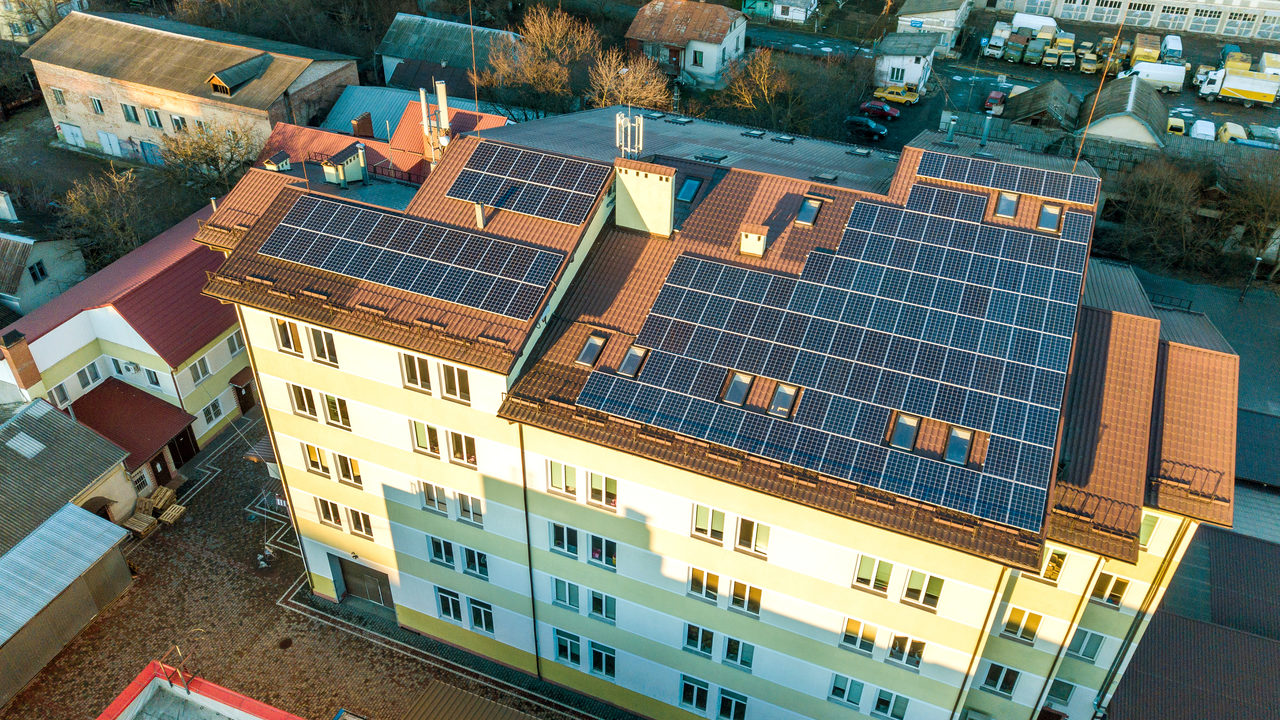
The mechanism itself is simple: someone generating electricity — say, via solar panels at their cottage — can transfer the surplus to themselves at their city flat, or to relatives, neighbours and other members of a sharing group. "Most participants are active consumers — for example, people who generate electricity at their cottage and use it in their city apartment," explained Petr Kusý, executive director of the Electricity Data Hub. Anyone wishing to take part in sharing must register with this data hub.
As of the end of June, the country had more than 28,000 electricity-sharing groups, of which nearly 27,000 were small groups of up to 11 members, each of which must include at least one energy producer. Joining such a group simply requires registering with the data hub and having a smart meter, which distribution companies install for households free of charge.
Members negotiate among themselves the price consumers pay the producer for electricity — which can even be zero. However, there's no avoiding the distribution fee: under the most common tariff, this costs around 2.75 crowns per kilowatt-hour.
Besides the small groups, the sharing system is used by more than 1,100 apartment buildings, where no distribution fee is charged at all, as well as by over 200 energy communities. Such communities can have up to a thousand members and may operate across a maximum of three neighbouring municipalities with extended powers, or within Prague.
Since the data hub launched in August 2024, Czechs and municipalities have shared 137 gigawatt-hours of electricity with one another — comparable to the annual consumption of a city the size of České Budějovice.
Notably, the volume of shared energy is growing faster than the number of participants: according to Kusý, this shows people are learning to use the electricity they generate ever more efficiently. Energy can only be shared within the same 15-minute interval in which it was produced — meaning electricity generated at noon cannot be "saved" and shared in the evening.
"The benefit of sharing depends on how well customers time their consumption. If a consumer's usage coincides with solar power generation, they can save up to 20 percent on electricity costs," noted Radim Černý, director of ČEZ Distribuce.
Those who want to take part in sharing but lack a partner can get help finding one — from companies like E.ON, for instance, which offers an online platform connecting energy producers and consumers. The E.ON Propojeno service launched in February and, according to company representative Roman Šperňák, is now used by around 500 producers and a thousand consumers of electricity — and being an E.ON customer isn't even a requirement.
The average electricity price on this platform is about 1,600 crowns per megawatt-hour, compared with the best offers from major suppliers, which run around 3,000 crowns per megawatt-hour. On average, less than two months pass between registration and the actual start of energy exchange. As a result, consumers cover roughly a fifth of their consumption through sharing, while producers make use of about a quarter of their surplus generated energy.
Source: novinky.cz