F-35s for the Czech Army: Not Just Fighter Jets, But a "Flying Radar" for Air Defence
USD 21,08
Popular
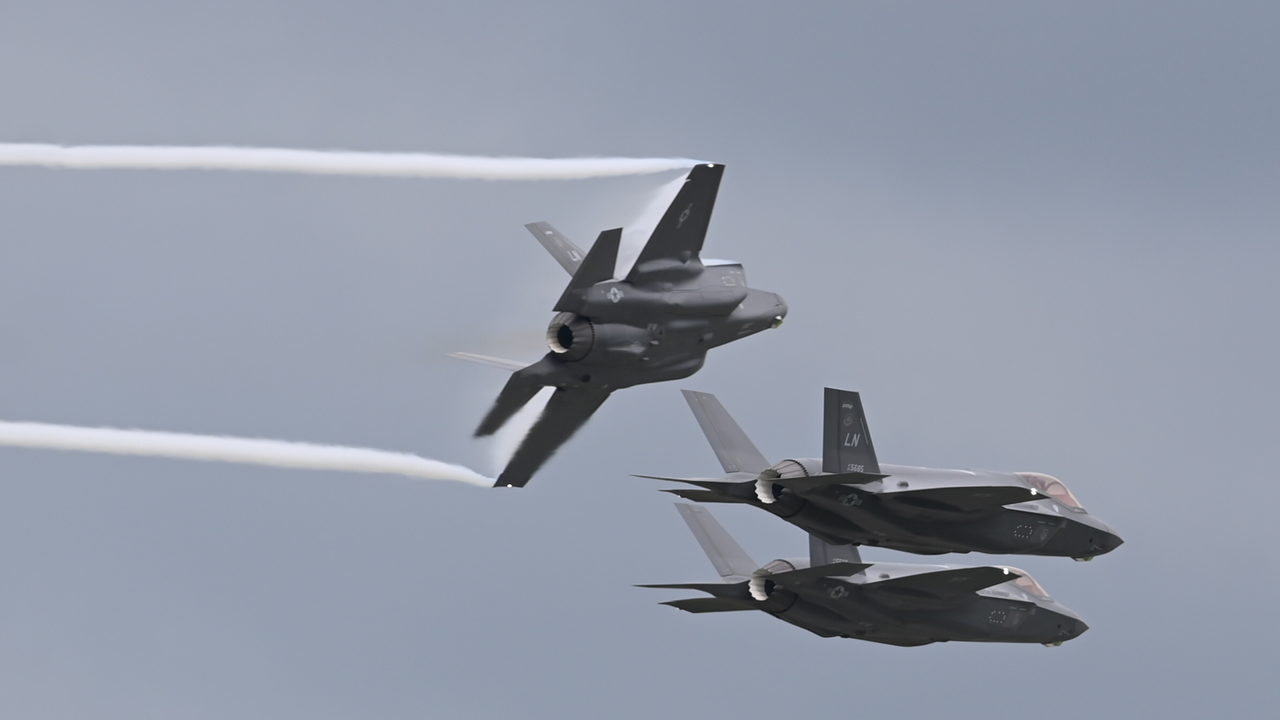
The new American F-35 fighter jets set to replace the Swedish Gripens in the Czech Army will be far more than strike aircraft — they will become a crucial part of the country's air defence system. This was confirmed by the Czech Air Force command and by security expert Vlastislav Bříza in comments to a news outlet.
"This isn't simply a replacement for the Swedish Gripens. The F-35's air defence capabilities are far broader and go much deeper," Bříza stressed. According to the Czech Air Force command, the F-35 will contribute to the overall air defence network not only through its weaponry, but through its advanced sensors as well.
The fighters' core mission will remain unchanged: like the Gripens before them, the F-35s will maintain round-the-clock combat readiness, scrambling to intercept unidentified aircraft, identifying them, and striking if necessary. What will be fundamentally new, however, is the expanded range of additional capabilities the jets bring.
The F-35 can operate simultaneously as a sensor — detecting a threat and relaying its location to other units — and as what's known as an effector, meaning it can destroy the target itself using its own weapons. Bříza considers this ability to gather and process information the aircraft's greatest asset, calling it a "flying radar."
"That's where its real value lies. It isn't just a fighter jet — it's an extraordinarily powerful sensor," the expert said. According to him, the aircraft will be able to relay the coordinates of a detected target to command posts, ground units, or other fighter jets. This information will also feed into the SPYDER air defence system, four standard batteries of which have already been ordered by the Czech Army, with the purchase of additional units currently under consideration.
The fighter is equipped with a powerful radar, infrared sensors, an electro-optical system, and other electronic reconnaissance tools. What matters most is not just the range of individual sensors, but so-called sensor fusion: the onboard computer automatically merges data from all sources into a single unified picture, sparing the pilot from having to manually cross-reference readings from different instruments. All this data can be relayed to ground-based air defence or used by the aircraft itself to strike a target.
Thanks to its high altitude of flight, the fighter can track multiple targets at once and "see" areas that ground-based radars struggle to cover due to terrain or the Earth's curvature. This is particularly valuable for detecting cruise missiles and attack drones flying at low altitude.
Source: novinky.cz