Fake Babiš and "Seznam Zprávy": how bogus news sites are scamming Czechs out of their savings
USD 21,08
Popular
A fraud campaign exploiting fake news sites branded with the logos of well-known Czech media outlets — along with deepfake videos of Prime Minister Andrej Babiš and other public figures — is spreading rapidly across Czechia. According to the Center for the Study of Online Risks, roughly 45,000 fraudulent ads have been identified on Meta's advertising platforms (Facebook, Instagram) since January alone, racking up 141 million views — an average of more than 18 impressions for every internet user in the country.
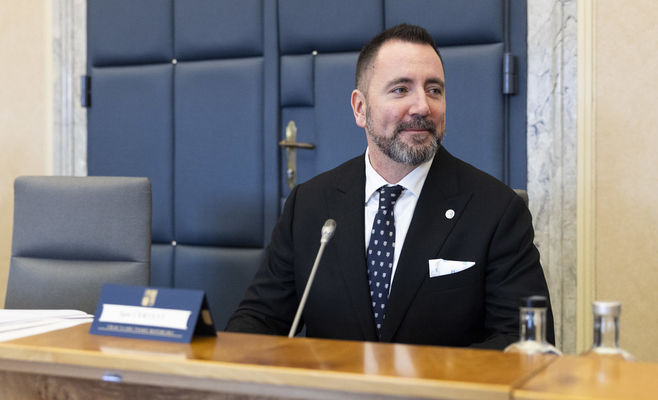
The scheme is simple: a user comes across a social media ad featuring a shocking headline or an AI-generated video. In one such clip, a deepfake of PM Babiš tells viewers that a new investment platform will make them all rich. Another uses a fabricated photo of Czech National Bank Governor Aleš Michl, supposedly fleeing a live broadcast after a "shocking exposé." Similar fake material has also exploited the names of politician Filip Turek and entrepreneur Karel Janeček.
The ads lead to websites disguised as genuine outlets such as Seznam Zprávy, Novinky.cz or Prima CNN — complete with their logos, layout, and even the bylines of real journalists listed as "authors." The domains, meanwhile, are registered through services that conceal the owner's identity; some have been traced as far as Reykjavík, Iceland, which has some of the world's strictest domain-privacy laws.
Independent security researcher Pavel Uržín found that behind the fake articles lies an elaborate cloaking system: special code analyzes each visitor — for instance, by reading a phone's motion sensors — to decide whether to serve up the scam content or a harmless placeholder page. If the system suspects it's being examined by security researchers, no substitution takes place. Uržín also found Russian-language comments in the source code of several of these sites, though the campaign's organizers remain unidentified due to the highly anonymous infrastructure involved.
Seznam.cz says it mostly learns about the misuse of its brand from vigilant users who report the fakes. The scammers, for their part, deliberately game the social platforms' ad-transparency libraries: harmless ads (say, featuring swans) appear in Meta's public archive, while real users are shown the fraudulent videos instead — a technique experts call "chameleon advertising."
Back in March, experts from the Center for the Study of Online Risks submitted detailed lists of thousands of fraudulent ads to the Czech Telecommunication Office under the EU's Digital Services Act (DSA). The office forwarded the complaint to the European Commission, citing signs of a systemic violation with serious consequences for Czech users. So far, though, the move has had little visible effect — the number of fake ads keeps climbing.
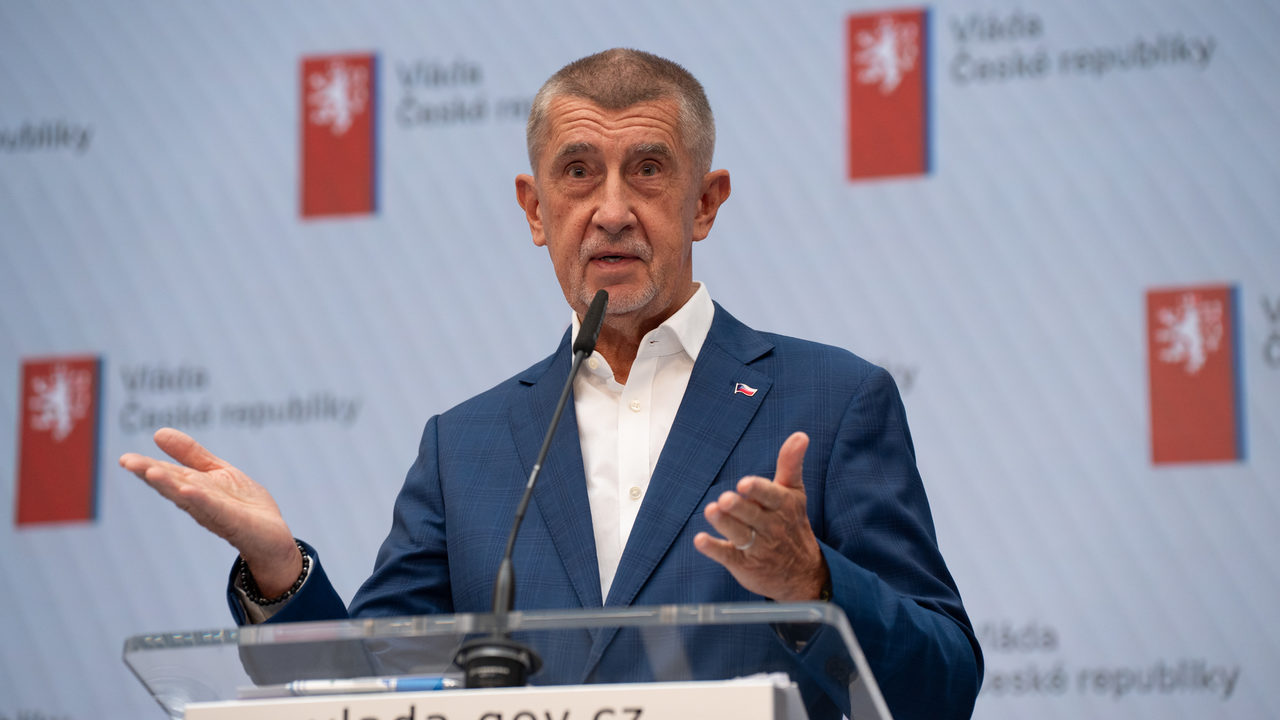
Prime Minister Andrej Babiš confirmed he had personally raised the issue with Meta representatives as early as the start of the year. "I was assured they were tackling it, but from where I stand, it's clearly not enough," he told reporters. Czechia has still not passed national legislation implementing the DSA, which would give regulators broader powers — including the "trusted flagger" mechanism, allowing independent organizations to push more effectively for the removal of fraudulent content. Passage of the law is being blocked by SPD leader Tomio Okamura, who calls it "EU censorship interference." As a result, the European Commission has already filed a lawsuit against Czechia and is threatening the country with a multimillion-euro fine.
Meta says it is "aggressively fighting" the fraud, describing the perpetrators as "persistent criminals" operating through cross-border criminal networks whose methods are becoming increasingly sophisticated.
Read also: Free Czech courses for foreigners: where to learn
Source: seznamzpravy.cz