Farewell, faceless bridges: Beethoven, Curie and Leonardo da Vinci to grace new euro banknotes
USD 21,08
Popular
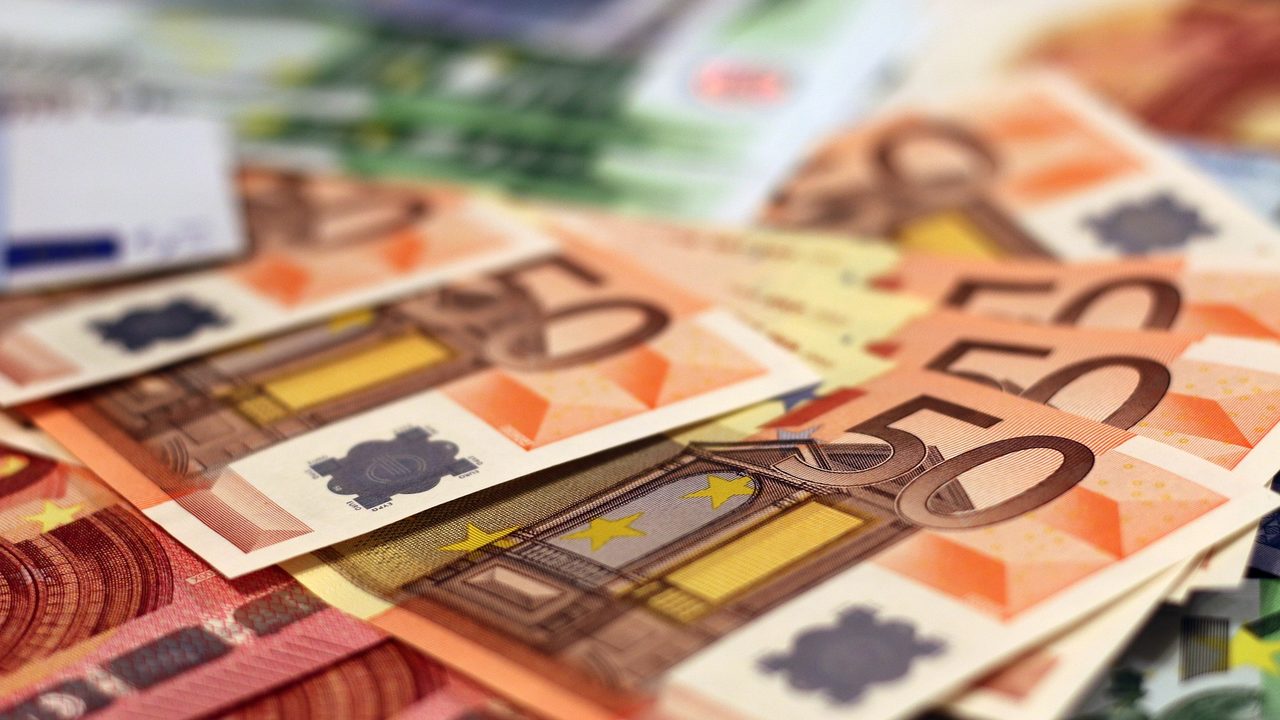
In late July, the European Central Bank (ECB) launched a public survey inviting Europeans to vote on the design of future euro banknotes. Voters can choose from ten final designs created by leading European graphic designers.
The online questionnaire will remain open until 21 September 2026. By the end of the year, the ECB's Governing Council will make the final decision on the winning design, taking into account both the results of the public vote and the recommendations of a panel of professional experts.
The competition for the new banknote designs launched in 2025 and drew more than 1,200 submissions from across Europe. Twenty-five candidates were invited to submit detailed proposals, and an independent jury of 21 experts — one nominated by each eurozone country's central bank — narrowed the field down to ten finalists.
The Governing Council had set two overarching themes in advance: "European Culture" and "Rivers and Birds." Participants were asked to develop one of these concepts, and the shortlist ultimately included five designs for each theme.
The designers weren't given free rein, however — they had to follow strict guidelines. Banknotes in the "European Culture" series must feature a significant historical figure on the front, with a scene or object tied to cultural life on the back. For the "Rivers and Birds" series, the front must depict European rivers from source to sea, alongside the bird species that inhabit them.
According to the designs published by the ECB, the €5 note could feature a portrait of Maria Callas, with street musicians on the reverse; the €10 note could show Ludwig van Beethoven alongside a choral festival; the €20 note, Marie Skłodowska-Curie and a university; the €50 note, Miguel de Cervantes and a library; the €100 note, Leonardo da Vinci and a contemporary art exhibition; and the €200 note, Bertha von Suttner alongside a city square. In the "Rivers and Birds" version, the notes would feature kingfishers, storks, gulls and other birds set against river landscapes, with the reverse sides showing buildings of European institutions, including the European Parliament, the European Commission and the ECB itself.
According to bank representatives, the culture theme is meant to evoke the shared cultural spaces that shaped European identity, honouring the people and places that have contributed to Europe's heritage. The rivers-and-birds motif, meanwhile, is intended to symbolize the continent's unity and freedom.
The new banknotes will not enter circulation for at least a few more years and will feature enhanced anti-counterfeiting measures along with improved accessibility for people with visual impairments. The denominations — ranging from €5 to €200 (the €500 note has not been issued since April 2019) — and their colour schemes will remain unchanged.
"The main reason for updating the design is to stay one step ahead of counterfeiters. But in doing so, we also want to strengthen people's sense of connection to the single currency and make it visually more expressive. We want to move away from neutrality," said Philippe Joffroy, head of the ECB's new banknotes division.
The current euro banknote design has been in use since 2002. In 2013, it was supplemented by the "Europa" series, which introduced modern security features, though the imagery itself — fictional historical buildings in various architectural styles — remained unchanged.
Source: seznamzpravy.cz