Fennel: The Unfairly Forgotten Vegetable That Soothes Your Stomach and Transforms Any Dish
USD 21,23
Popular
Fennel is still often seen here as something distinctly "Italian," yet Czech cuisine and folk herbalism have known and used it for far longer than most people realize. A relative of dill and caraway, fennel has a subtly sweet, anise-like flavor reminiscent of licorice candy sticks — and remarkably, almost nothing about it goes to waste, as the bulb, the fronds, and the seeds can all be used in cooking.
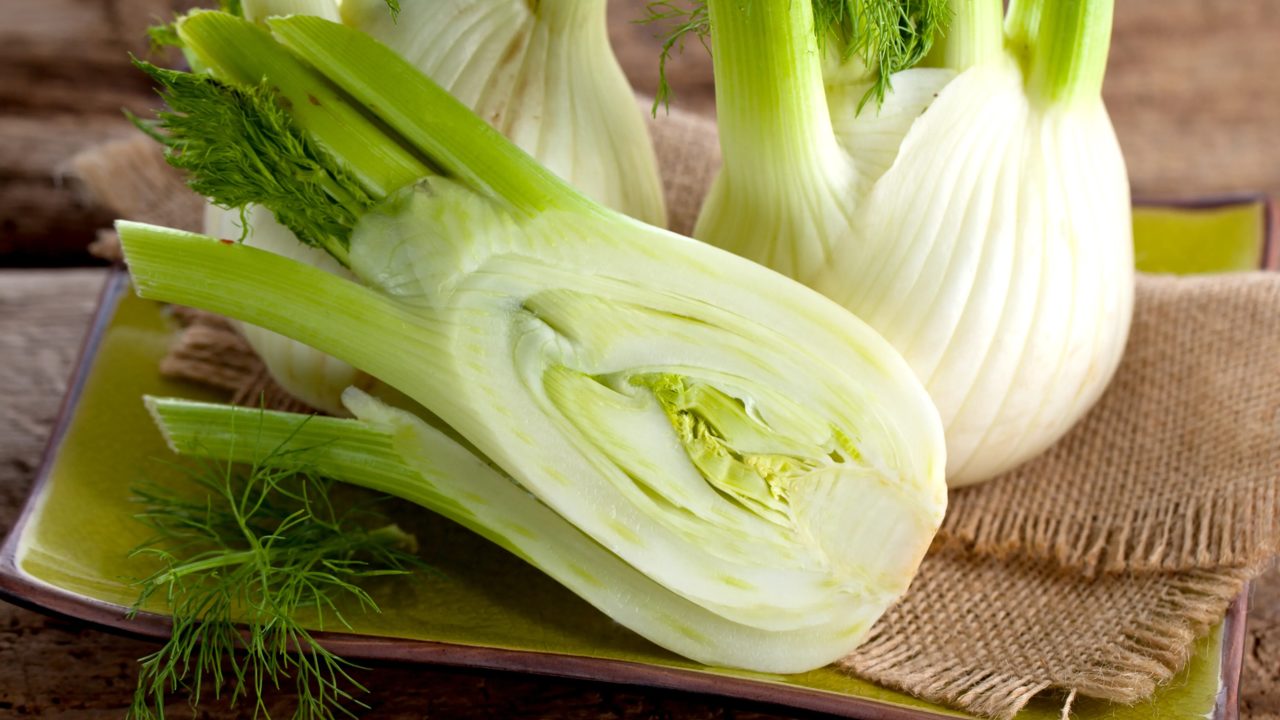
There are two main types of fennel: bulb fennel, easily recognized in shops by its pale, layered "bulb" with stalks attached, and common fennel, grown primarily for its medicinal seeds.
Fennel has long been regarded as a symbol of healthy digestion. Tea made from its seeds is a go-to remedy for bloating, cramps, and colic — effective for both adults and infants — as it relaxes the muscles of the intestines and helps normalize digestion.
But its benefits don't stop there. Fennel is traditionally recommended for nursing mothers to boost milk production, and it's also used for colds, since it helps thin mucus and eases coughing. The plant has a diuretic effect, supporting the body's natural detoxification, and thanks to its vitamin C and trace minerals, it strengthens the immune system. Modern research also points to fennel's ability to help regulate blood sugar levels and its anti-inflammatory properties, which can be particularly valuable for people dealing with chronic fatigue or rheumatism.
Preparing the bulb couldn't be simpler: just wash it, trim off any leftover roots and green stalks, then slice it thinly for salads, cut it into quarters for roasting, or dice it for soups. The fronds can be chopped like dill. The seeds are best lightly crushed in a mortar before use to release their full aroma. For tea, about half a teaspoon of seeds per cup of boiling water is enough — let it steep for a few minutes.
Eaten raw, fennel adds a pleasant crunch and a hint of sharpness to salads, pairing beautifully with apples, oranges, walnuts, and good-quality oil. Freshly pressed juice from the bulb is hydrating and beneficial for blood health.
When cooked, fennel's flavor becomes milder and sweeter. You can braise it with onions and bake it under a layer of cheese, serve it as a side dish for fish with parmesan and olive oil, roast it alongside other root vegetables for a subtle anise note, or blend it into a creamy soup with potatoes and cream. The seeds, meanwhile, are perfect for homemade bread, cookies, and pickling cucumbers — and can even turn up as a surprising ingredient in desserts and chocolate.
For those who haven't tried this vegetable yet, the advice is to start small: toss a couple of thin slices into an everyday vegetable salad, or roast fennel alongside other vegetables — cooking mellows out its characteristic "candy" flavor, leaving behind only a pleasant sweetness. Fennel is anything but an exotic curiosity — it's a versatile, health-boosting ingredient that deserves a spot both on your plate and in your home medicine cabinet.
Source: apetitonline.cz